High-Precision Perfume & Fragrance Sample Packaging Systems
Engineered for contract packaging factories across Germany and Europe. Supporting micro-dose sachets, non-woven scented wipe pouches, luxury vials, and rotary premade Doypacks.
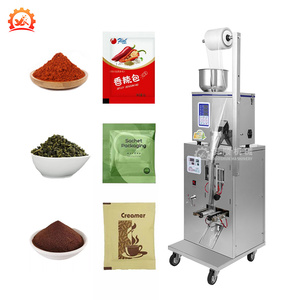
DZD-220 Multi-function Filling Sugar Salt Powder Stick Tea Bags Masala Sachet Nuts Food Potato Chips Pouch Packaging Machines
- Configurable for Solid Fragrance Crystals
- Micro-Granule & Scented Salt Fillers
- PLC-Controlled Multi-Lane Output
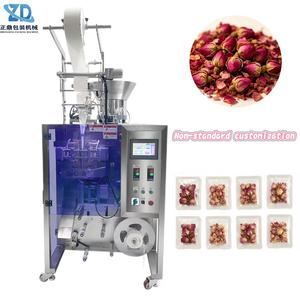
Vertical Four Side Sealing Round Corner Pouch Packaging Machinery For Non Woven Fabric Individual Scented Tea Bags
- Ideal for Perfume Sample Wipes
- Ergonomic Round-Corner Die Cutting
- Zero-Leakage 4-Side Hermetic Seal
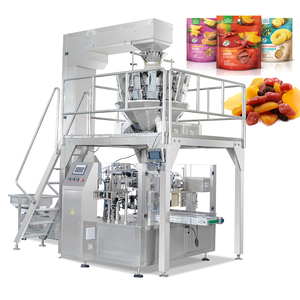
Automatic Rotary Premade Bag Dried Fruit Nuts Packing Machine Stand up Pouch Chocolate Cake Biscuit Doypack Packing Machine
- Fragrance Gift Pack & Sample Pouching
- Premade Stand-Up Doypack Handling
- ATEX Liquid Dosing Module Ready
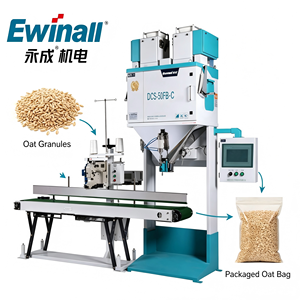
5-15kg Digital Small Rice Filling & Packing Machine DCS-50FB-C For Mini Mill And Retail Pouch Packaging 800-1020 Bags/h
- Bulk Perfume Raw Material Batching
- Digital Load-Cell Precision Control
- Heavy-Duty Stainless Steel Frame
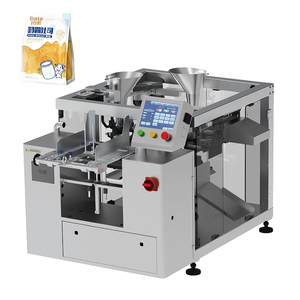
GDS200B-04 Automatical Remplissage Premade Pouch Bread Stand up Bag Doypack Multihead Weigher Rotary Vertical Pack Machine
- Multi-component Discovery Set Packing
- Servo-Driven Rotary Indexing
- High Throughput for Beauty Co-Packers
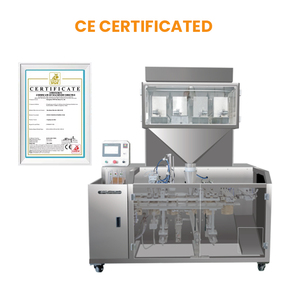
Automatic Premade Pouch Filling & Sealing Stand Up Pouch Chips Bag Packaging Machine
- Liquid & Viscous Gel Sample Pouches
- Quick Tool-Less Format Changeover
- Ultra-Clean Hygienic Construction
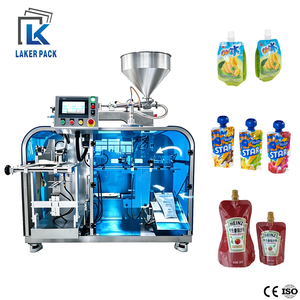
Automatic Doypack Rotary Packing Machine for Premade Doy Bags With Zipper Filling and Sealing Ziplock Pouches
- Re-sealable Luxury Fragrance Pouches
- Precision Zipper Opening Mechanism
- Gas Flushing for Volatile Top Notes
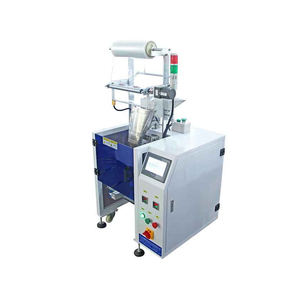
China Manufacturer Nice Price Small Automatic Packaging Machine Pouch Sachet Packaging Machinery Automatic Bag Premade Machine
- Compact Footprint for Small Batch Runs
- Micro-Dose Peristaltic Pump Liquid Filling
- High Cost-Efficiency for Startups & Brands
Executive Industry Report: Perfume Sample Packaging Machinery in Germany
The European luxury fragrance and personal care ecosystem relies heavily on sample-driven consumer conversion. In Germany—the largest cosmetics market in the European Union—the demand for high-end perfume samples, discovery kits, and single-dose trial sachets has witnessed exponential growth. German contract packagers (Lohnverpacker) and brand owners require packaging machinery that meets stringent industrial criteria: micro-dosing precision, zero alcohol evaporation during sealing, compliance with ATEX safety directives for flammable liquids, and seamless alignment with the German Packaging Act (Verpackungsgesetz – VerpackG).
Selecting a trusted perfume sample packaging machine manufacturer serving Germany requires an in-depth evaluation of machine kinematics, dosing tolerances, chemical compatibility of fluid paths, and compliance with EU directives (such as CE, DIN EN ISO 22716 for Cosmetic GMP, and 2014/34/EU for ATEX environments). This technical whitepaper analyzes the key engineering benchmarks, localized application scenarios across German manufacturing clusters, and competitive advantages essential for securing high ROI on automated sample packaging lines.
Market Intelligence Note: Over 68% of luxury fragrance purchases in the DACH region (Germany, Austria, Switzerland) are directly influenced by trial sampling via e-commerce unboxing cards, magazine inserts, and retail discovery boxes. Packaging integrity directly dictates brand perception and shelf life.
Core Engineering Benchmarks: Micro-Dosing & Anti-Evaporation Sealing
Packaging alcohol-based perfumes (typically containing 70% to 90% ethanol combined with concentrated essential oils) presents distinct physical and chemical challenges compared to standard cosmetic lotions or powders. Key engineering considerations include:
1. High-Precision Micro-Dosing Systems (±0.01 ml Accuracy)
High-value perfume concentrates require extreme dosing repeatability. Advanced liquid sample packaging machinery utilizes positive displacement ceramic piston pumps or valveless peristaltic pumps integrated with micro-stepper motors. This ensures zero volumetric drift across millions of cycles, eliminating costly product giveaway while maintaining exact fill quantities (typically ranging from 0.5 ml to 5.0 ml per sample unit).
2. ATEX Zone 1 / Zone 2 Explosion-Proof Directives
Because ethanol vapors are highly flammable, German industrial safety standards dictate that fluid preparation, dosing manifolds, and electric enclosures within the filling zone comply with ATEX Zone 1 or Zone 2 classifications. Machine designs incorporate flameproof motors, intrinsically safe sensor barriers, anti-static conveyor belts, and positive-pressure purged electrical cabinets to guarantee safe operational parameters.
3. Zero-Headspace Hermetic Sealing & Volatile Retention
Ethanol has a high vapor pressure and low boiling point. Standard heat-sealing methods can cause liquid vaporization within the seal seam, resulting in micro-channel leaks and premature sample drying. Modern packaging equipment utilizes precision-controlled constant heat or ultrasonic seal jaws combined with mechanical liquid-expulsion squeezers. This removes fluid droplets from the transverse seal area prior to thermal activation, achieving a 100% hermetic barrier that protects delicate top notes (citrus, aldehyde) over extended storage periods.
Localized Application Scenarios across German Manufacturing Hubs
Packaging requirements vary significantly depending on the target retail channel and regional industrial specializations across Germany's key economic hubs:
Luxury Unboxing & Card-Mounted Sachets
High-speed 4-side seal liquid sachets designed to be automatically glued onto luxury card stock for premium e-commerce sampling and magazine inserts.
Airline & Hospitality Refreshing Wipes
Vertical form-fill-seal lines folding non-woven fabrics, dosing perfumed alcohol solutions, and sealing single-use sachet wipes for international aviation and hotel supply chains.
Contract Packaging (Lohnverpackung)
Flexible rotary premade pouch and Doypack machines engineered for fast SKU changeovers between trial gels, liquid perfumes, and scented solid bath salts.
Export Discovery Box Sets
Multi-head weighing and automated pouching systems for assembling multi-fragrance sample sets distributed throughout Scandinavia and global export markets.
Comparative Engineering Matrix: Sample Packaging Machine Configurations
Selecting the optimal equipment configuration depends on throughput demand, dose volume, packaging film composition, and line integration requirements:
| Machine Category | Typical Dose Range | Output Speed (PPM) | Primary Format | ATEX Compliance | Best German Application |
|---|---|---|---|---|---|
| 4-Side Seal Liquid Sachet Machine | 0.5 ml – 10 ml | 80 – 160 PPM | Flat Foil Sachet / Card Insert | Zone 1 / Zone 2 Optional | E-Commerce Trial Sachets & Unboxing Cards |
| Non-Woven Scented Wipe Line | 2.0 ml – 15 ml | 60 – 120 PPM | Folded Wet Wipe Sachet | Integrated Solvent Enclosure | Airline, Hotel & Travel Hygiene Kits |
| Rotary Premade Doypack Machine | 5.0 ml – 100 ml | 35 – 60 PPM | Stand-up Pouch / Zipper Bag | Standard Pneumatic / ATEX Ready | Luxury Fragrance Refills & Gift Sets |
| Multi-Lane Stick Pack Machine | 0.5 g – 5.0 g | 200 – 500 PPM | Narrow Stick Pack (Powder/Salt) | Dust-Proof IP65 Enclosure | Scented Bath Salts & Solid Perfume Powders |
Why Leading German Factories Partner with Our Manufacturing Facility
Our packaging machinery combines European-tier component integration with precision CNC manufacturing, offering German contract packaging facilities an unbeatable competitive advantage in operational efficiency, reliability, and total cost of ownership (TCO).
German & European Component Standardization
Equipped with Siemens PLC/HMI controls, Festo pneumatics, SICK photoelectric sensors, and Schneider electrical systems for 100% component availability across Europe.
Eco-Foil & VerpackG Sustainable Readiness
Engineered to seal recyclable mono-material films (Mono-PE, Mono-PP, and barrier paper laminates), helping brands comply fully with German packaging waste reduction laws.
Comprehensive Validation (IQ/OQ/PQ Support)
We provide full FAT/SAT documentation, 316L stainless steel material certificates, and calibration protocols required by German cosmetic and pharmaceutical audit standards.
Frequently Asked Questions (FAQ)
Addressing key technical and commercial queries from factory procurement directors and engineering managers in Germany.
How do your perfume sample machines satisfy German ATEX safety directives?
What micro-dosing tolerances are achieved on 1ml perfume sachets?
Can these machines process recyclable mono-material barrier foils?
What is the average format changeover time between different liquid SKUs?
Do you provide IQ/OQ validation protocols for DIN EN ISO 22716 audits?
How is after-sales technical support and spare parts delivery structured for DACH clients?
Request a Custom Engineering Proposal & Machinery Consultation
Connect directly with our senior packaging automation engineers to review your sample pouch dimensions, fluid viscosities, ATEX requirements, and line integration goals in Germany.
Send an Inquiry