1. Technical Architecture & Fundamentals of 3in1 Coffee Portion Packaging
Packaging a 3in1 instant coffee packaging machine mix—typically composed of spray-dried or freeze-dried instant coffee granules, non-dairy creamer (vegetable fats and sodium caseinate), and refined granulated sugar—presents one of the most demanding challenges in dry powder and granule portion control. Unlike mono-component powders such as pure white sugar or fine flour, 3-in-1 premixes combine materials with dramatically different particle shapes, friction coefficients, static charges, and bulk densities ranging from 0.45 g/cm³ to 0.85 g/cm³.
When operating high-speed multi-lane vertical form fill seal (VFFS) machinery, two major engineering hurdles arise: powder segregation inside the feeding hopper and hygroscopic caking along the sealing seams. If the machinery lacks dedicated anti-segregation agitation and precision volumetric cup dosing, density stratification will cause the first packages of a shift to contain excessive heavy sugar crystals, while later packages suffer from high concentrations of light non-dairy creamer. This results in recipe non-compliance, off-taste consumer experiences, and costly raw material waste.
Information Gain: Resolving Powder Segregation in Multi-Lane Hoppers
Turpack’s specialized 3-in-1 coffee stick packaging machinery incorporates a continuous horizontal ribbon agitator integrated with micro-vibratory feed tubes above each dosing lane. This prevents particle sizing separation without degrading fragile freeze-dried coffee granules into unwanted fine dust, guaranteeing consistent recipe ratios (e.g., 12% coffee / 33% creamer / 55% sugar) down to ±1.5% target weight tolerances across all 12 lanes.
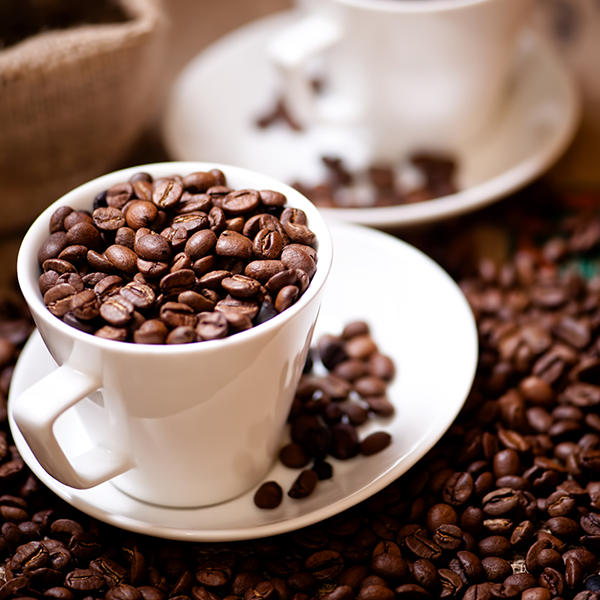
Figure 1: Single-serve 3in1 coffee stick packs produced on Turpack multi-lane machines with precise tear notches and hermetic seals.
2. Machine Selection Matrix: Stick Pack vs. 4-Side Seal Sachet Format
Global procurement teams must choose between two primary pouch geometries when investing in a 3in1 instant coffee packaging machine: the narrow Stick Pack format or the classic 4-Side Seal Sachet. Both formats serve distinct market positioning, film consumption economics, and end-user ergonomics.
- Stick Pack Packaging Machines (Multi-Lane): The stick pack format (typically 17mm to 40mm wide and 70mm to 170mm long) has become the dominant single-serve choice for modern consumers. Its narrow cylindrical tubular shape allows users to pour coffee cleanly into narrow-necked travel mugs or water bottles without spilling. Most importantly for factory owners, stick packs save up to 30% to 40% in flexible packaging film film consumption compared to traditional flat sachets for the exact same dose volume (12g - 20g), directly reducing annual film procurement overhead.
- 4-Side Seal Sachet Machines: Flat sachets offer maximum printable surface area for bold brand logos, promotional artwork, and multi-language regulatory information. They are highly favored for premium retail display cartons or hotel amenity kits. However, their larger perimeter seals require slightly higher film width per gram of packaged product.
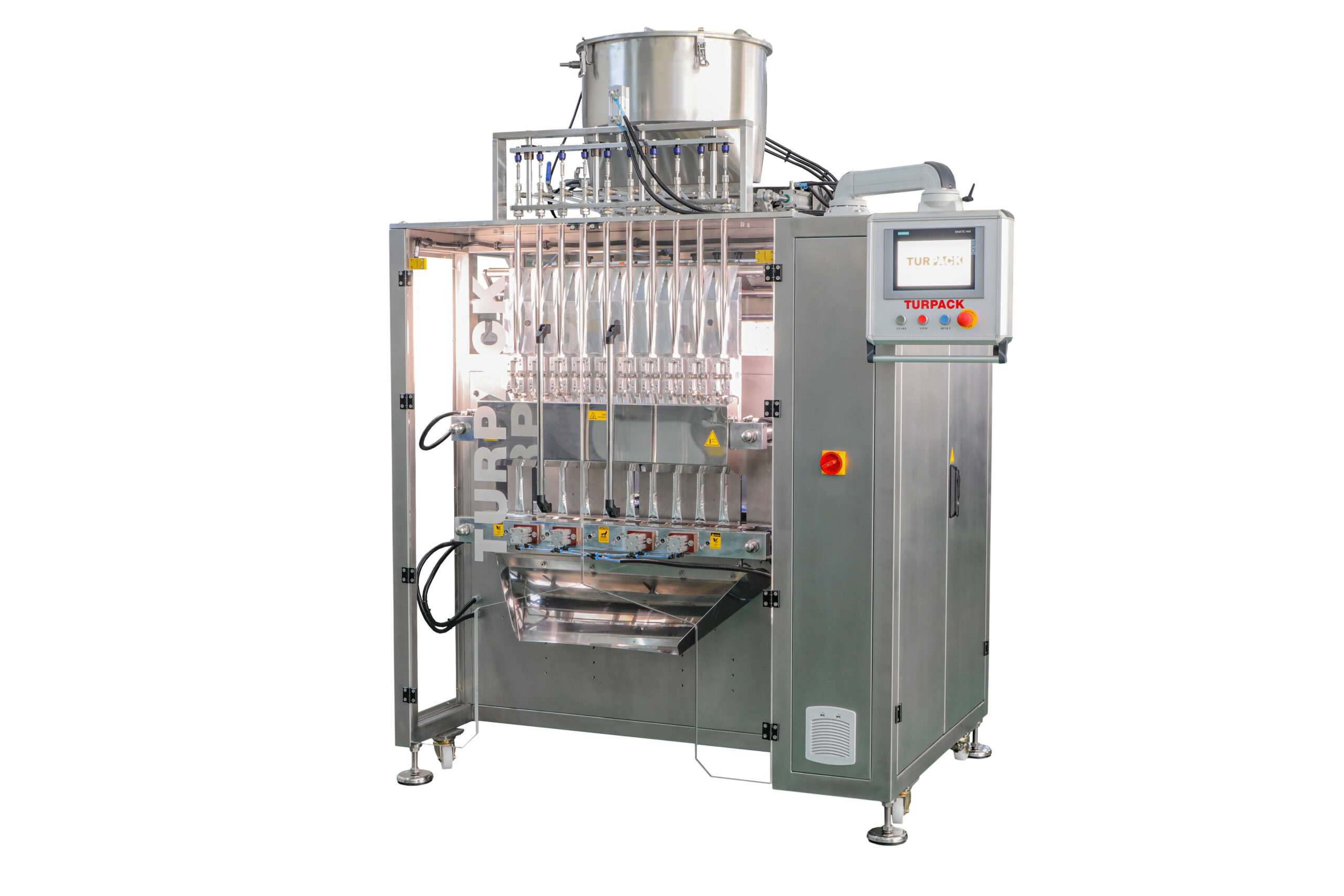
Designed for high-output single-serve stick packaging of instant coffee mixes, cappuccino premixes, and 2-in-1 sugarless coffee powders.
- Lane Configurations: 4 to 12 Lanes
- Speed Range: 200 – 800 sticks/minute
- Dosing Method: Volumetric Cup / Servo Auger
- Dosing Accuracy: ± 1.0% to ± 1.5%
- Control System: Siemens S7-1200 / 1500 PLC
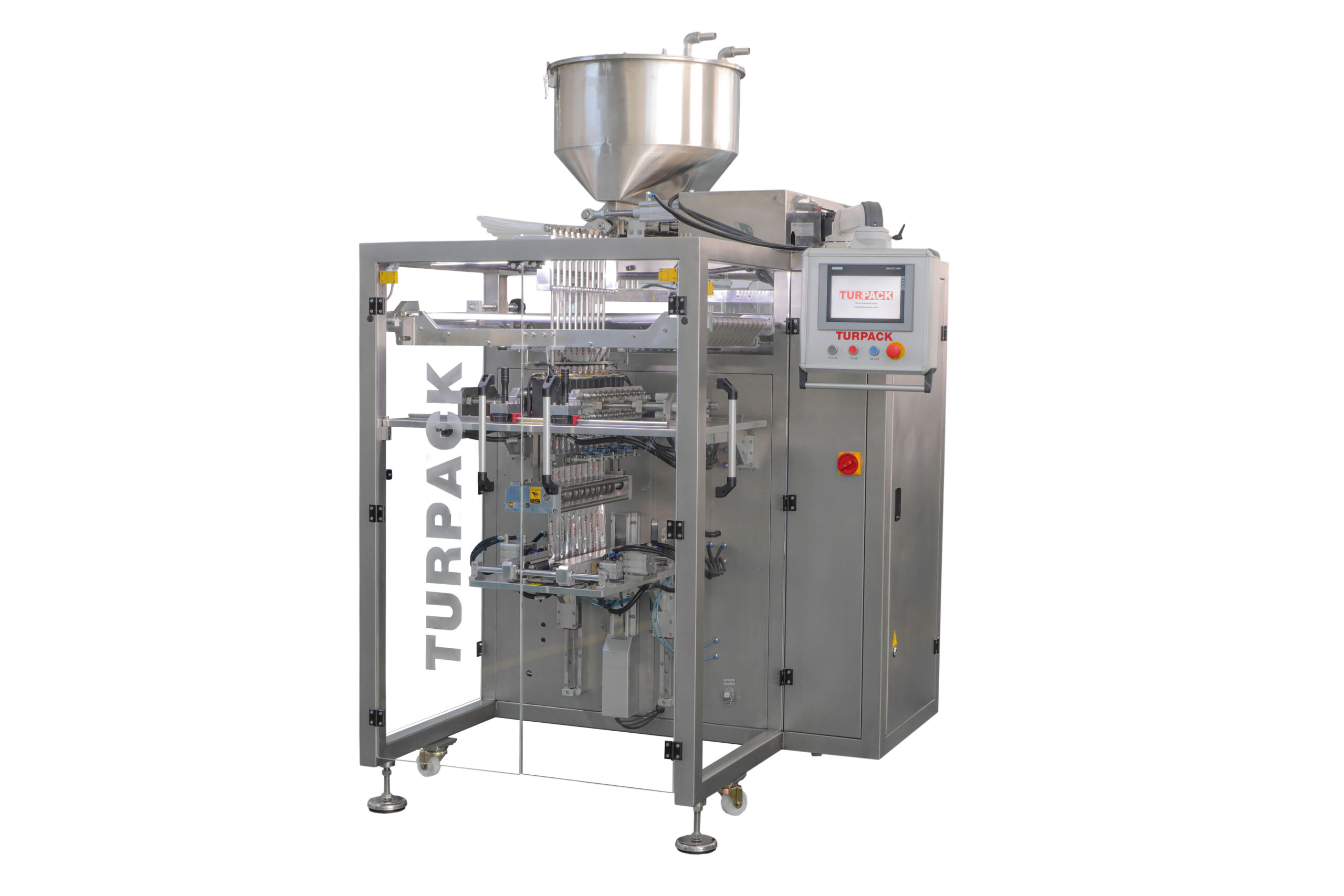
Ideal for retail display sachets requiring wide branding panels, tear notches, and secondary multi-pack cartoning integration.
- Lane Configurations: 2 to 8 Lanes
- Speed Range: 120 – 480 sachets/minute
- Dosing Method: Telescopic Volumetric Cups
- Film Materials: PET/ALU/PE, Kraft Paper Laminates
- Pneumatics & Sensors: Festo & SICK Germany
3. Technical Specifications & Engineering Parameters Benchmark
When submitting RFP (Request for Proposal) documentation to packaging machinery manufacturers, procurement engineers must evaluate exact technical thresholds. Below is the standardized engineering benchmark matrix for Turpack industrial 3in1 instant coffee packaging lines:
| Engineering Parameter | Entry-Level (4-Lane) | Mid-Scale Industrial (8-Lane) | Ultra High-Speed (12-Lane) |
|---|---|---|---|
| Target Output (Pouch/Min) | 160 – 240 sticks/min | 400 – 520 sticks/min | 650 – 800+ sticks/min |
| Filling Range (Grams) | 5g – 25g (Adjustable) | 5g – 25g (Adjustable) | 5g – 25g (Adjustable) |
| Dosing Mechanism | Telescopic Volumetric Cups | Telescopic Volumetric Cups | Servo Micro-Auger / Volumetric |
| Dosing Accuracy | ± 1.5% | ± 1.2% | ± 1.0% |
| Film Reel Width (Max) | 400 mm | 800 mm | 1200 mm |
| Gas Flushing Option | Nitrogen (N2) Injection | Multi-Channel N2 Manifold | Closed-Loop N2 Chamber (<1.5% O2) |
| Automation Hardware | Siemens PLC & Touchscreen | Siemens Servo + PLC | Kollmorgen Motion + Siemens HMI |
| Pneumatic Components | Festo (Germany) | Festo (Germany) | Festo Heavy-Duty Series |
| Compressed Air Req. | 6 Bar, 300 L/min | 6 Bar, 600 L/min | 6 Bar, 900 L/min |
| Total Power Rating | 4.5 kW / 380V 3-Phase | 8.5 kW / 380V 3-Phase | 14 kW / 380V 3-Phase |
4. Future Procurement Trends & Next-Gen Technology (2026–2030)
The global coffee packaging landscape is undergoing a rapid transition driven by environmental regulations, labor shortages, and smart factory demands. Buyers evaluating a new 3in1 coffee packaging machine must ensure their capital investment remains future-proof against these four major industry shifts:
A. Transition to Sustainable & Recyclable Barrier Laminates
Traditional high-barrier packaging relies on a non-recyclable tri-layer laminate consisting of PET, Aluminum Foil, and Polyethylene (PET/ALU/PE). Aluminum foil provides near-zero Oxygen Transmission Rates (OTR) and Water Vapor Transmission Rates (WVTR). However, extended producer responsibility (EPR) legislation in the EU, North America, and parts of Asia is penalizing non-recyclable multi-material structures.
Modern Turpack 3in1 coffee packaging lines are engineered with advanced temperature controls (using PID micro-processors with ±1°C accuracy) and custom sealing jaw profiles designed specifically to run ultra-thin mono-material films such as MOPP/PE, Recyclable Mono-PP, and biodegradable paper laminates without burning or stretching the film substrate.
B. Integration of Nitrogen (N2) Gas Flushing for Extended Shelf Life
Instant coffee lipids and non-dairy creamer fats rapidly undergo oxidative rancidity when exposed to ambient oxygen. Premium brand owners now mandate gas flushing to push internal residual oxygen levels below 2.0%. Turpack stick pack machines feature micro-perforated stainless steel tubes that inject food-grade Nitrogen gas directly into the formed film tube immediately before lower sealing jaw closure, effectively doubling ambient shelf life up to 24 months without requiring chemical preservatives.
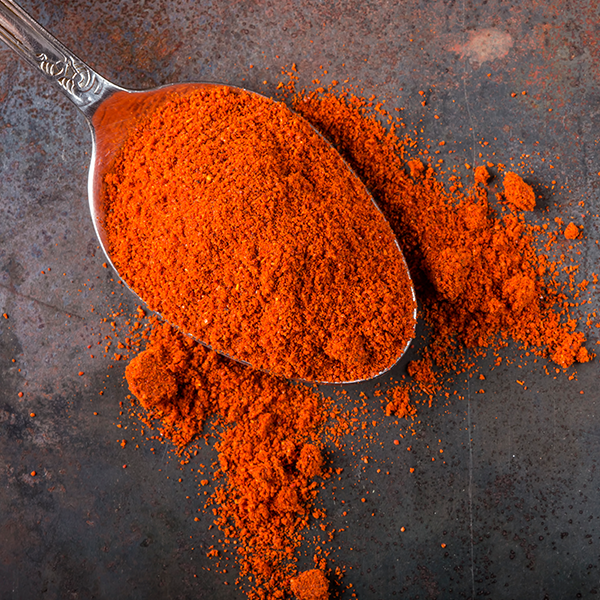
Figure 2: Precision volumetric cup dosing system engineered for high-speed powder and granular premixes.
C. Smart Factory, IoT & Remote Diagnostics
Unplanned machine downtime in high-speed coffee lines costs thousands of dollars per hour. Turpack integrates Siemens Industry 4.0 PLC systems with encrypted remote telemetry modules. If an operator encounters a timing error or temperature fluctuation, Turpack engineers in Istanbul can perform remote diagnostic troubleshooting, software updates, and parameter tuning in real-time, eliminating up to 90% of field service calls.
D. Automated Downstream Secondary Packaging Integration
A multi-lane machine producing 800 sticks per minute cannot be packed manually into retail display boxes. Modern lines seamlessly connect to automated pick-and-place robotic arms, counter-stacker conveyors, and high-speed cartoning machines that insert 10, 20, or 50 sticks directly into pre-glued cartons.
Need Custom Engineering Specifications for Your Coffee Line?
Talk directly with Turpack’s B2B packaging machinery experts. We provide complete line layouts, film compatibility testing, and customized quotes within 24 hours.
5. Economic Calculation: Operational Yield & ROI Analysis
Investing in a high-speed multi-lane 3in1 instant coffee packaging machine is a major capital expenditure (CAPEX). However, when calculated against film savings, labor reduction, and yield improvements, high-performance machinery often achieves full payback in under 12 months.
A. Film Conservation Math (Stick Pack vs. Sachet)
Consider a plant producing 50,000,000 sticks per year containing 15 grams of 3in1 coffee mix per stick:
- Standard 4-Side Seal Sachet Dimensions: 60mm x 80mm = 9,600 mm² film surface area per dose.
- Turpack Stick Pack Dimensions: 25mm x 110mm = 5,500 mm² film surface area per dose.
- Film Reduction: 4,100 mm² saved per stick (approx. 42% reduction in raw laminate film consumption).
- Annual Financial Savings: At an average laminate film cost of $4.50/kg, saving ~0.6 grams of film per pouch across 50 million units yields over $135,000 USD in net film cost savings annually.
B. Labor Optimization
A single 10-lane Turpack stick pack machine producing 650 sticks/minute replaces 5 to 7 semi-automatic single-lane machines. This reduces direct machine operator labor from 6 technicians down to 1 supervisory operator per shift.
6. Why Global Brands Partner with Turpack Packaging Machinery
Based in Istanbul, Turkey, Turpack Makine is recognized across 95+ countries as a leading manufacturer of vertical form fill seal, stick pack, and sachet machinery. Our engineering philosophy is built on four non-negotiable pillars:
100% European Component Standardization
We do not compromise on core components. Every machine features Siemens PLC & touch panels, Festo pneumatic valves & cylinders, SICK optical eye-mark sensors, and Kollmorgen servo drives—ensuring long-term reliability and off-the-shelf spare parts availability worldwide.
2-Year Comprehensive International Warranty
While industry standards offer 1 year, Turpack backs every machine with a full 2-year warranty covering mechanical, electronic, and pneumatic assemblies. All machines are fully CE certified and built under ISO 9001 quality protocols.
Over 1,100+ Machines Installed Globally
From major FMCG multinationals in Western Europe to contract packaging enterprises across North America, Latin America, Africa, and the Middle East, Turpack has delivered over 1,100 high-performance packaging lines since 2005.
Shortest Factory Lead Times in the Industry
Thanks to modular manufacturing and structured assembly lines at our modern Istanbul manufacturing facility, Turpack delivers custom-engineered multi-lane machines in weeks—not months—getting your product to market ahead of competitors.
OUR WORLD-CLASS AUTOMATION PARTNERS