20+ Years Excellence
Designing & building liquid sachet machines since 2005.
High Yield & ±0.5% Accuracy
Servo-driven piston pumps eliminate liquid giveaway.
Tier-1 Components
Siemens, Festo, SICK, and Kollmorgen motion control.
1,100+ Global Installs
Proven track record across 95+ nations worldwide.
1. Technical Evaluation & Liquid Sachet Packaging Machine Selection
Selecting an industrial Liquid Sachet Filling Machine requires a deep understanding of fluid dynamics, film sealability, thermal transfer coefficient, and dosing mechanisms. In single-serve packaging across food, pharmaceutical, personal care, and chemical sectors, the liquid sachet format (primarily 4-side seal or stickpack) offers unmatched convenience, precise dosing, and superior protection against oxidation and moisture.
When evaluated by international procurement specialists and plant automation managers, the key challenge is balancing speed (sachets per minute) with metering precision and absolute zero leakage across millions of cycles. Liquid products range from free-flowing aqueous solutions (water, energy drinks, sanitizers) to non-Newtonian thixotropic pastes (ketchup, mustard, heavy cosmetics, and raw honey). Matching your liquid product's rheology to the correct pumping architecture is the foundation of line efficiency and minimal OEE downtime.
Technical Insight: Resolving Fluid Dynamics & Anti-Drip Physics
In high-speed liquid sachet filling, fluid inertia during high-speed valve cutoff causes micro-droplets to land on the vertical seal area. Liquid film contamination degrades thermal bonding strength, causing micro-channel leaks weeks after shipment. Turpack's proprietary Pneumatic Back-Suction Valve Technology creates a micro-vacuum immediately following piston displacement, pulling liquid back into the nozzle orifice to guarantee clean, dry seal margins even at speeds over 70 cycles per minute per lane.
Dosing System Comparison for Liquid Packaging Machinery
Different liquid viscosity classes require specialized dosing assemblies. Below is our engineering matrix summarizing dosing choices for single-serve liquid sachets:
| Dosing System Type | Viscosity Range (cP/mPa·s) | Typical Applications | Dosing Accuracy | CIP Compatibility |
|---|---|---|---|---|
| Servo Rotary Piston Pump | 1,000 – 100,000+ cP | Honey, Ketchup, Mayonnaise, Hair Conditioner, Lubricants | ±0.5% | Excellent (Automated CIP/SIP Valves) |
| Linear Pneumatic Piston Pump | 100 – 10,000 cP | Shampoo, Liquid Soap, Vinegar, Olive Oil, Sauces | ±0.8% | High (Quick-Disconnect Sanitary Tri-Clover) |
| Peristaltic Dosing System | 1 – 500 cP | Pharmaceutical Liquids, Diagnostics, Essential Oils, Flavors | ±0.3% | Superior (Single-Use Disposable Tubing) |
| Magnetic Flow Meter (Mass Flow) | 1 – 2,000 cP | Beverages, Water, Dairy Drinks, Alcohol, Liquid Fertilizers | ±0.2% | Full Continuous Clean-In-Place Integration |
Top Recommended Liquid Sachet Filling Machine Models
Based on operational demand, production throughput, and product viscosity, Turpack designs customized single-lane and multi-lane liquid sachet packing systems:
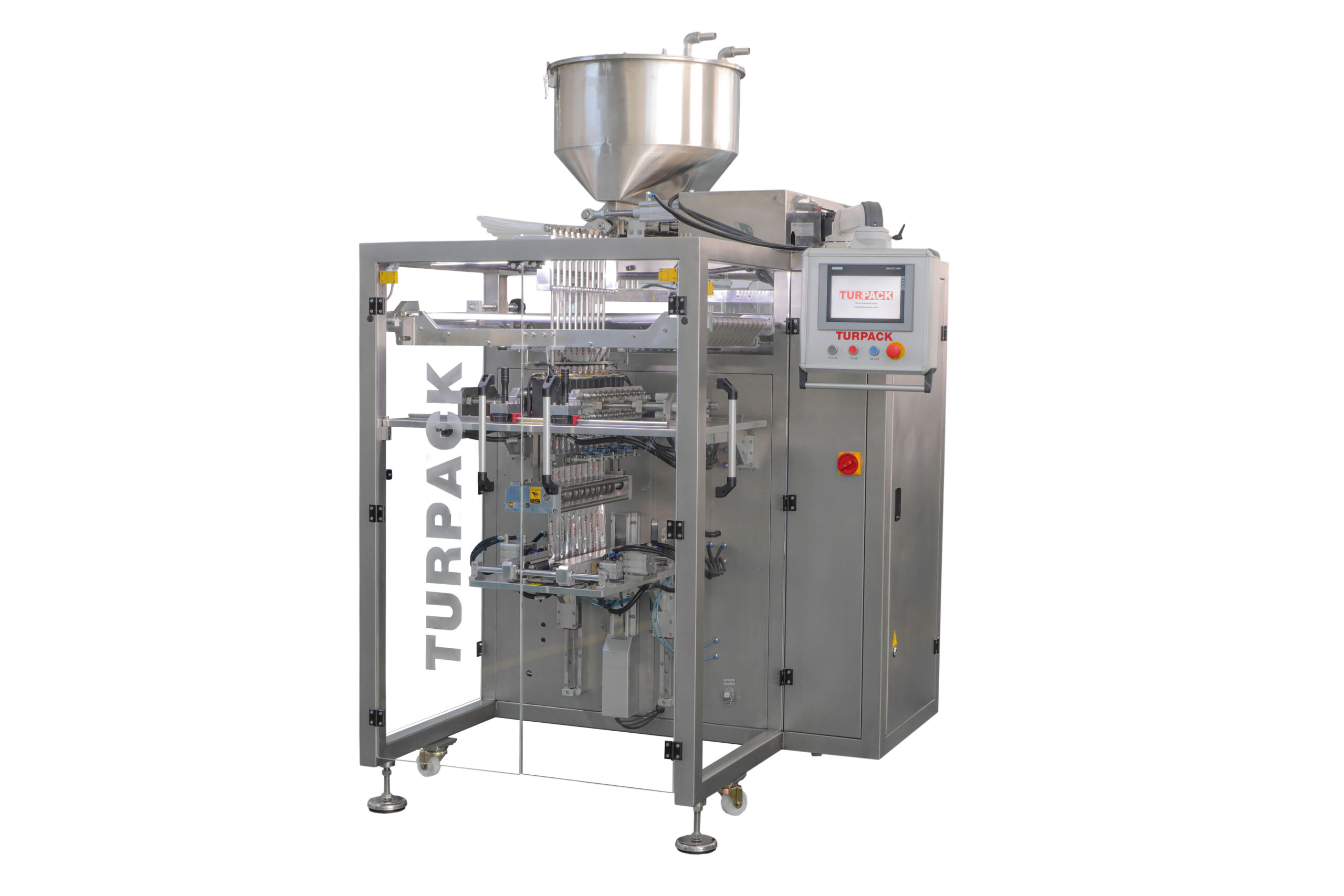
Multi-Lane 4-Side Seal Liquid Sachet Filling Machine
Designed for high-speed multi-lane portion packaging of sauces, cosmetics, and liquid pharmaceuticals. Utilizes independent Siemens servo motors per lane with micro-fine heat-sealing temperature zones for absolute seal integrity.
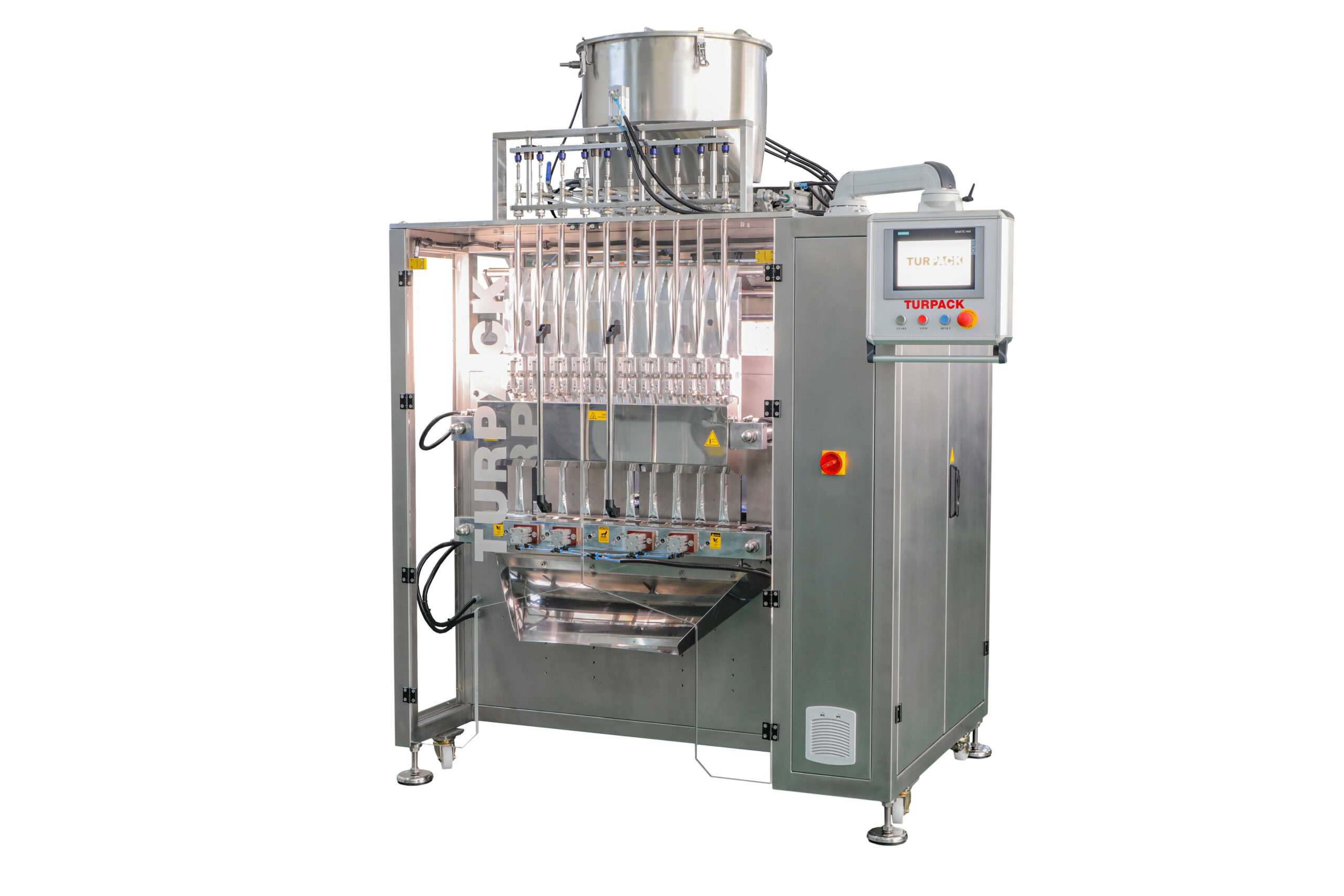
Multi-Lane Liquid Stick Pack Filling Machine
Engineered for slim, portable liquid stickpacks (honey, olive oil, liquid dietary supplements). Offers compact design, up to 40% packaging material savings compared to 4-side seal sachets, and seamless integration with downstream cartoning.
2. Future Procurement Trends in Liquid Sachet Packaging Lines (2025–2030)
The global packaging sector is undergoing a structural transition driven by environmental regulations, rising raw material costs, and smart manufacturing imperatives. Procurement executives evaluating liquid sachet packaging machinery must future-proof their capital investments against the following key trends:
1. Transition to Recyclable Monomaterials
Global mandates (such as the EU Packaging and Packaging Waste Regulation) require transition from non-recyclable multi-layer aluminum laminates (PET/ALU/PE) to monomaterial structures like PE/PE or PP/PP. Turpack liquid sachet machines integrate advanced multi-stage thermal profile sealing bars engineered specifically for delicate recyclable films with narrow sealing windows.
2. Industry 4.0 & Telemetry Maintenance
Modern packaging lines must minimize unscheduled downtime. Turpack machines feature remote Siemens IoT gateways, allowing real-time monitoring of pump pressure, heater bar thermal cycles, drive torque, and cycle counts. Predictive maintenance alerts notify engineers before component degradation impacts pouch quality.
3. Hygienic CIP / SIP Automation
Cross-contamination during flavor or product changeovers is a major expense. Future-ready liquid filling lines feature automated Clean-in-Place (CIP) recirculation manifolds and Sterilize-in-Place (SIP) steam compatibility, reducing washdown cycles from hours to under 20 minutes.
ROI Analysis: Single-Lane vs. Multi-Lane Machine Procurement
While a single-lane liquid sachet machine requires lower initial capital outlay ($20,000–$35,000), a 6-lane multi-lane machine ($60,000–$95,000) reduces operational labor by 80%, cuts electricity cost per unit by 45%, and footprint requirement by 60% per unit output. For annual production volumes exceeding 10 million sachets, multi-lane machinery yields full capital payback in under 8.4 months.
3. Industry Development Trends Across Major Liquid Packaging Sectors
Demand for single-serve liquid sachets spans multiple high-growth global industries. Each market sector introduces unique compliance, hygienic, and material handling criteria that influence equipment configuration:
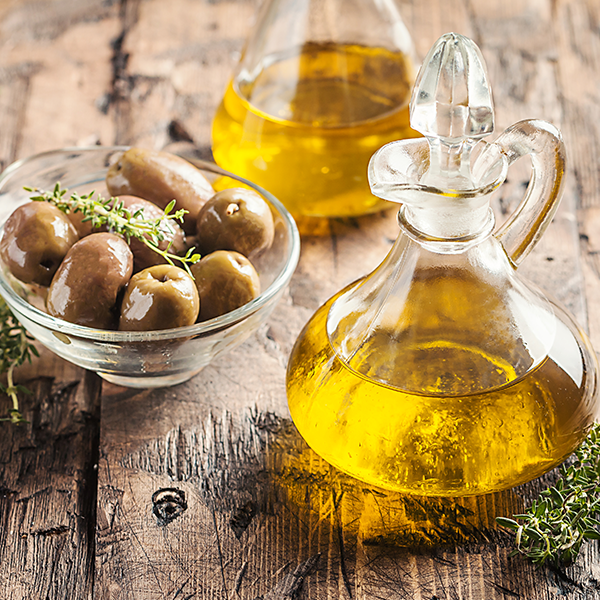
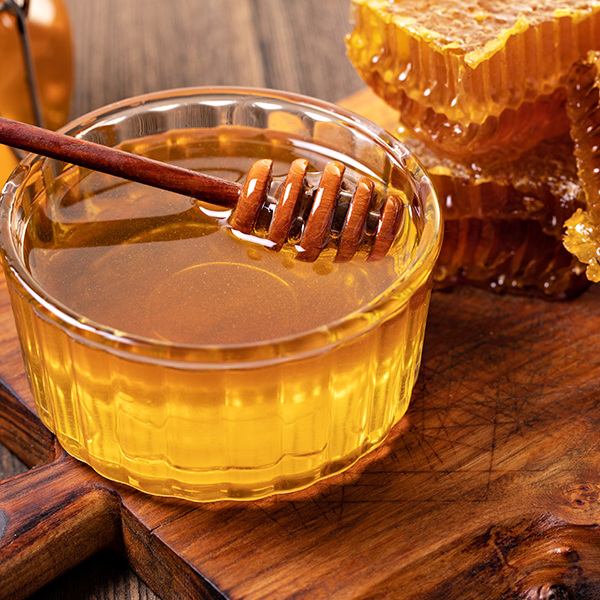
Food & Condiment Packaging (Olive Oil, Honey, Ketchup, Mayonnaise)
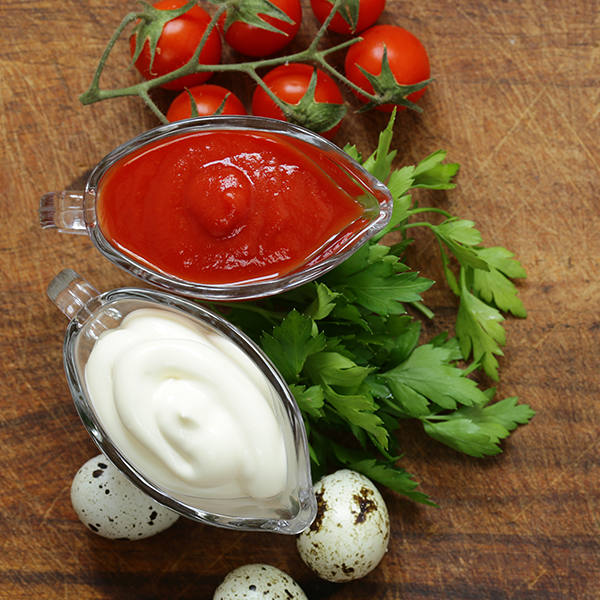
Single-serve condiments dominated food service, fast food delivery, and aviation catering. Key packaging requirements include hot-filling capabilities (up to 85°C for tomato paste or honey viscosity control), food-grade AISI 316L stainless steel contact surfaces, and gas-flushing (Nitrogen injection) to displace oxygen and extend shelf life without chemical preservatives.
Cosmetics & Personal Care (Shampoo, Creams, Serums, Lotions)
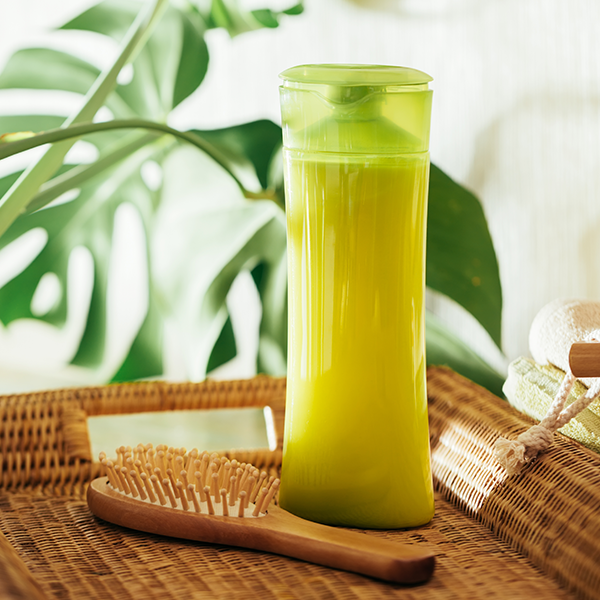
Cosmetic brand owners demand visually flawless 4-side seal sachets with precise tear notches and high aesthetic appeal. Liquid sachet filling machines in this category must accommodate delicate perfumes, abrasive exfoliants, and viscous creams without foaming or aerating the product. Turpack machines integrate anti-foaming bottom-up filling nozzles and variable stroke speed profiles.
Pharmaceuticals & Health Supplements (Oral Syrups, Liquid Vitamins)
Pharma-grade liquid filling requires strict GMP compliance, complete batch traceability, DQ/IQ/OQ validation protocols, and 21 CFR Part 11 compliant data recording. Dosing accuracy is paramount to ensure accurate active pharmaceutical ingredient (API) delivery per single-dose pouch.
4. Enterprise Advantages: Why Global Buyers Partner with Turpack
Founded in 2005 in Istanbul, Turkey, Turpack Makine has established itself as an international benchmark in portion packaging machinery. Exporting to over 95 countries across 6 continents, our engineering philosophy balances European component reliability with competitive capital costs and rapid delivery schedules.
Core Turpack Differentiators:
- 100% Premium European & Global Components: We build machines exclusively with Siemens PLCs and touchscreens, Festo pneumatic actuators, SICK photoelectric sensor eyes, and Kollmorgen servo motors. We never compromise on component reliability.
- Comprehensive 2-Year Industry Warranty: Every Turpack liquid sachet machine is covered by a 2-year factory warranty on all mechanical, electronic, and pneumatic assemblies, supported by global spare parts delivery.
- Rigorous ISO 9001 & CE Certification: Our manufacturing line operates under strict quality management audits, ensuring full compliance with European Union Machinery Directive 2006/42/EC.
- Shortest Lead Times in Industry: Standard liquid sachet filling machines ship in 4–6 weeks, enabling fast production deployment for tight contract packing launch windows.
5. Liquid Sachet Filling Machine: Global Procurement FAQ
Below are authoritative answers to the most frequent technical and commercial questions submitted by procurement officers and production managers to search engines and AI assistants:
For high-viscosity products (1,000 to 100,000+ cP) like honey, ketchup, shampoo, and mayonnaise, a servo-driven rotary valve piston pump is mandatory. Piston pumps create positive displacement suction capable of pulling thick fluids without cavitating, while servo-controlled back-suction nozzles prevent tailing and seal area contamination. Gravity filling or volumetric gear pumps are unsuitable for non-Newtonian viscous fluids because volume consistency fluctuates with temperature-induced viscosity shifts.
Seal leakage stems from three primary factors: (1) Liquid film contamination along vertical seal margins, (2) Inconsistent thermal distribution across sealing jaws, or (3) Inadequate clamping pressure. Turpack mitigates leakage by integrating independent digital PID temperature controllers for every jaw zone, utilizing pneumatically balanced floating jaw mounts, and equipping filling nozzles with active vacuum back-suction to prevent liquid drips during film indexing.
A 4-side seal sachet features seals around all four perimeter edges, offering a flat, premium billboard graphic space ideal for retail brand visibility, larger dosage volumes (up to 100 ml), and wide tear notches. A stick pack is formed with a vertical rear fin seal and top/bottom seals, creating a tubular pouch. Stick packs consume up to 30%–40% less foil packaging material per dose, making them ideal for high-volume slim liquid portions (olive oil, honey, liquid energy gels).
Liquid sachet machines handle heat-sealable flexible laminates. Standard barrier structures include PET/ALU/PE (for maximum oxygen/light protection in food & pharma), PET/PE, and Paper/ALU/PE. For sustainable packaging initiatives, modern Turpack lines are engineered to process recyclable monomaterial Polyethylene (PE/PE) and Polypropylene (BOPP/CPP) laminates utilizing specialized pulse-heat sealing bars.
Clean-in-Place (CIP) systems allow internal dosing pistons, valves, manifolds, and nozzles to be thoroughly cleaned and sanitized without manually dismantling the machine head. Turpack liquid sachet machines feature automated bypass pneumatic valves and CIP spray rings connected to your central hot water, caustic, or steam CIP supply line, reducing washdown downtime from hours to minutes while adhering to EHEDG sanitary design standards.
In multi-lane liquid machines (e.g., 6 or 8 lanes), each lane features an individually adjustable piston stroke or a direct servo-drive drive shaft connected to high-precision CNC-machined piston cylinders. Operators can fine-tune fill volumes per individual lane via the Siemens HMI touchscreen, compensating for minor flow resistance variances and ensuring strict fill-weight compliance per pouch.
Production speed depends on liquid viscosity, pouch dimensions, and lane count. A single-lane liquid sachet machine operates at 35–50 sachets per minute. A 6-lane machine packaging 10 ml liquids running at 50 cycles per minute produces 300 sachets per minute (18,000 sachets/hour). High-speed 12-lane configurations exceed 600 sachets per minute for continuous contract packaging operations.
All Turpack liquid sachet filling machines ship with comprehensive technical dossiers including CE Certificate of Conformity, ISO 9001:2015 Quality Certificate, Electrical Schematics (IEC 60204-1 compliant), Pneumatic Diagrams, English Operator Manuals, and optional FAT (Factory Acceptance Test) & SAT (Site Acceptance Test) protocol documentation for pharmaceutical installations.
Optimize Your Liquid Sachet Production Line Today
Whether you require a single-lane R&D machine or a 12-lane high-speed industrial liquid packaging line for ketchup, shampoo, olive oil, or pharmaceutical syrups, Turpack engineers provide custom quotes and layout drawings within 24 hours.