High-Efficiency Multi-Lane Packaging Engineering for Mexican Manufacturing Hubs
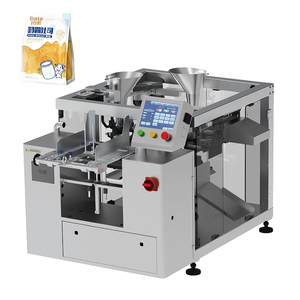
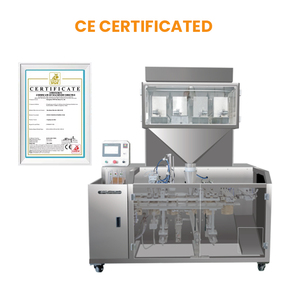
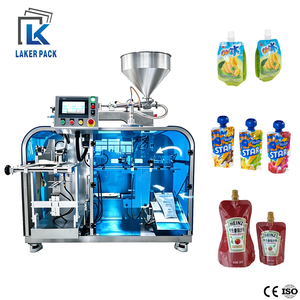
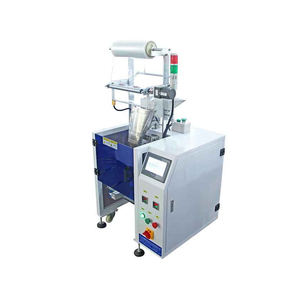
Mexico's fast-moving consumer goods (FMCG), pharmaceutical, and agricultural processing sectors are currently undergoing an unprecedented structural transformation. Driven by nearshoring momentum under the USMCA (T-MEC) trade framework and changing domestic consumption habits, Mexican food and pharma processors are rapidly transitioning from traditional single-lane vertical form-fill-seal (VFFS) systems to ultra-high-speed multi-lane stick pack lines. As a premiere global exporter and machinery engineering firm, our high-speed multi-lane stick pack packaging solutions are engineered to directly solve the operational, environmental, and regulatory challenges unique to Mexican manufacturing facilities.
Modern portion packaging in Mexico—spanning instant coffee stick packs in Veracruz, micro-dose oral rehydration salts in Guadalajara, and individual refined sugar packs in Jalisco—demands equipment that reconciles linear throughput with stringent sealing integrity. Single-lane vertical systems operating at 60–80 cycles per minute can no longer justify the floor space, energy consumption, and labor ratio required for high-volume enterprise production. By utilizing 4-lane, 6-lane, 10-lane, or 12-lane continuous-motion stick pack architectures, manufacturers can achieve output ranges between 300 to 1,200 stick packs per minute on a compact physical footprint, slashing energy consumption per thousand units by up to 42%.
Technical Insight for Mexican Plant Engineers: Multi-lane stick pack machines achieve substantial film savings compared to traditional 4-side seal sachets. The narrow tubular geometry of a stick pack reduces flexible laminate film consumption by 30% to 40% per unit dose, dramatically mitigating raw material costs under volatile resin market conditions.
Barometric Pressure & High-Altitude Packaging Engineering in Mexico
A critical engineering consideration often overlooked by standard equipment exporters is the impact of altitude on pneumatic sealing, volumetric dosing, and sachet expansion across major Mexican industrial centers. Key manufacturing regions such as Mexico City (2,240m altitude), Toluca (2,660m altitude), Puebla (2,135m), and Querétaro (1,820m) operate under significantly lower atmospheric pressure compared to sea-level production sites in coastal locations like Veracruz or Mazatlán.
When flexible stick packs filled with fine powder or liquid are sealed at sea level and transported to high-altitude urban centers—or manufactured directly at elevated altitudes—trapped residual air within the sachet expands due to ambient pressure differentials. This results in "pillow expansion," compromised seal seams, and micro-leaks during transport over the Sierra Madre mountain ranges. Our multi-lane stick pack machinery integrates specialized programmable atmospheric compensation systems, continuous vacuum-assisted film pull-down belts, and dual-stage servo-driven ultrasonic sealing options. These features guarantee hermetic seal integrity, eliminate trapped head-space air, and maintain consistent burst-strength parameters regardless of geographic elevation changes across Mexico's logistical corridors.
Electrical Standards & Safety Compliance (NOM & UL Requirements)
Deploying industrial packaging machinery in Mexico requires strict adherence to local electrical codes and national safety standardizations. All machinery exported to Mexican industrial parks (such as Parque Industrial Monterrey, Parque Industrial Querétaro, and El Salto in Jalisco) is custom-configured with electrical systems compliant with NOM-001-SEDE (Mexican Electrical Code) and NOM-024-SCFI safety declarations.
Our control architectures incorporate dual-voltage capability (220V/440V, 3-Phase, 60Hz), premium Siemens or Allen-Bradley PLCs, IP65/IP67 washdown-rated cabinets, SICK safety light curtains, and Festo pneumatic manifolds. Crucially, our Human-Machine Interfaces (HMI) feature native Spanish language visualization with fully intuitive touch-screen diagnostics, multi-level operator security tiers, and real-time OEE telemetry tracking to empower local machine operators and reduce maintenance response times.