Featured Powder & Pouch Packaging Systems
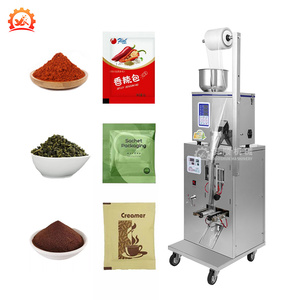
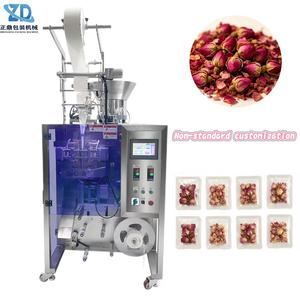
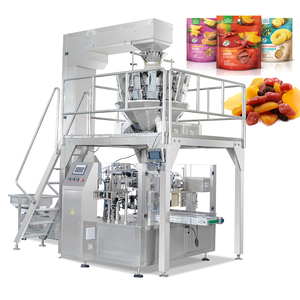
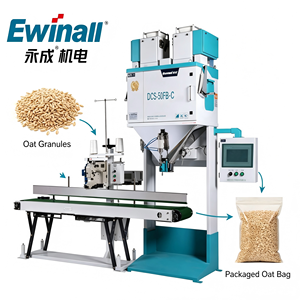
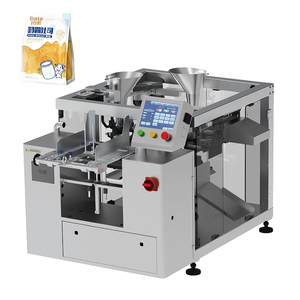
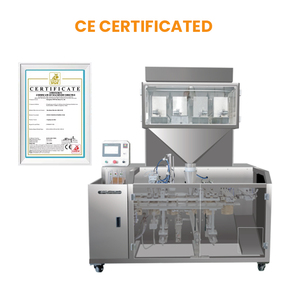
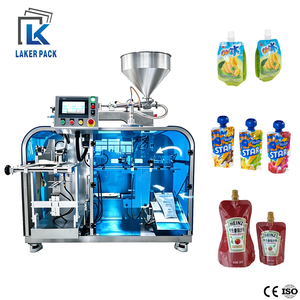
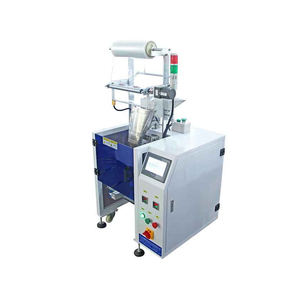
Engineering Excellence in Auger Filling & Powder Packaging Engineering
Precision powder packaging is defined by the fluid dynamics of non-free-flowing particulates, aeration factors, and bulk density fluctuations. In high-throughput industrial environments across the Greater Seattle metro area and the broader Pacific Northwest (PNW), selecting an Auger Filler Powder Packaging Machine is not merely an equipment acquisition; it is a critical engineering decision that dictates product yield, dust suppression efficiency, weight compliance (FDA / NIST Handbook 133), and operational profitability.
As a premier global manufacturer and direct exporter to Seattle’s thriving biopharmaceutical, specialty coffee, organic food, and chemical processing sectors, our engineering framework integrates direct-drive brushless servo control with closed-loop gravimetric feedback. This guarantees volumetric consistency across dense, cohesive powders (such as whey protein isolates, powdered infant formula, and botanical extracts) as well as free-flowing granular substrates (such as micro-ground specialty espresso and stevia crystal blends).
Mechanics of Servo-Driven Volumetric Displacement
The core mechanism of our auger filling system relies on a precision-machined stainless steel (SS316L) auger screw housed within a polished, sanitary hopper. The rotation of the auger screw transfers a exact volume of powder through the funnel opening into the package format below (stick packs, 4-side seal sachets, or premade Doypack pouches).
Independent Agitation Drive
Dual-motor architecture separates the auger feed screw from the slow-speed counter-rotating agitator blade, preventing powder bridging, rat-holing, and bulk density segregation inside the hopper.
Closed-Loop Dynamic Weighing
Inline load cell checkweighers transmit real-time weight data back to the Siemens S7-1500 PLC, triggering automatic self-correction of auger revolution counts to compensate for atmospheric humidity changes.
Dust Containment & Vacuum Hoods
Fully sealed pneumatic cut-off gates (spinner discs or micro-flappers) prevent post-dosing dripping, while integrated dust-extraction shrouds connect directly to plant central vacuum systems (NFPA 654 compliant).
Dosing Precision Comparison: Volumetric vs. Servo Auger vs. Multihead Gravimetric
Selecting the correct filling technology requires matching physical powder metrics with the optimal mechanical dispensing principle. Below is a comparative technical matrix illustrating how our servo auger technology compares against legacy equipment across typical operational parameters:
| Evaluation Parameter | Legacy Volumetric Cup Filler | Turpack Servo-Auger System | Gravimetric Combination Weigher |
|---|---|---|---|
| Target Particulate Range | Free-Flowing Granules Only | Fine Powders, Cohesive & Non-Free Flowing | Coarse Granules, Solids & Pieces |
| Typical Dosing Accuracy | ± 1.5% - 3.0% | ± 0.2% - 0.5% (High Precision) | ± 0.5% - 1.0% |
| Dust Control Capability | Poor (Open Discharge) | Superior (Enclosed Hood + Vacuum Port) | Moderate (Requires Enclosed Covers) |
| Sanitation & Washdown | Basic Wipe-Down | cGMP Clean-In-Place / Tool-less Quick Disassembly | Heavy Washdown (Complex Stripping) |
| Seattle Cleanroom Suitability | Not Suitable | Class 100,000 / ISO 8 Cleanroom Ready | Requires Custom Containment Enclosures |
Localized Application Scenarios in Seattle & the Pacific Northwest
The Pacific Northwest economic region—anchored by Seattle, Bellevue, Tacoma, Bothell, and the Kent Valley industrial corridor—presents distinct manufacturing standards driven by strict environmental regulations, high labor costs, and a market dense with high-value biotech, specialty food, and organic consumer packaged goods (CPG).
Our direct export, engineering installation, and technical support frameworks are customized to solve specific operational challenges native to Washington State manufacturers:
1. Nutraceutical & Botanical Extract Packaging (Bothell & Redmond Biotech Corridor)
Washington state hosts one of the nation's leading biotechnology and health supplement innovation clusters. Processing fine botanical powders, mushroom extract formulations, marine collagen, and probiotic blends requires ultra-hygienic handling to avoid cross-contamination and active ingredient degradation.
- Nitrogen Flush Injection (MAP): Optional gas-flushing nozzles reduce residual oxygen levels to under 1.0%, protecting heat-sensitive vitamins and oxidation-prone herbal compounds from degradation during retail shelf-life.
- FDA-Compliant SS316L Contact Parts: All hopper interiors, auger flights, funnel tubes, and dosing nozzles feature mirror-polished ra < 0.4µm stainless steel surfaces, eliminating micro-pitting where bacterial spores or allergen residues could lodge.
2. Specialty Coffee & Powdered Beverage Micro-Portions (Seattle Urban Hub)
As the global capital of coffee culture, Seattle CPG brands lead the market in single-serve micro-ground coffee sticks, instant cold brew powders, specialty matcha, and gourmet cocoa sachets. In these high-volume markets, package aesthetics, tear-notch reliability, and tight seal integrity are non-negotiable.
- Multi-Lane Stick Pack Integration: High-speed 4-lane to 10-lane servo auger configurations achieve production outputs exceeding 400 to 800 sticks per minute with minimal footprint in urban production facilities.
- Hermetic Seal Integrity: Precision digital PID heat control combined with pneumatic sealing jaws guarantees zero channel leaks along side seals, protecting moisture-hygroscopic coffee powders from Puget Sound's high ambient humidity.
3. Organic Dairy & Agricultural Powders (Skagit & Snohomish Valley Processing)
Regional agricultural processors packaging organic whey isolates, whole milk powders, and powdered infant formulations require equipment capable of handling variable bulk densities while adhering to USDA and Washington State Department of Agriculture (WSDA) organic processing guidelines.
- Quick-Clean Split-Hopper Architecture: Clam-shell hinged hoppers open in seconds without requiring tools, drastically reducing line changeover downtime from 2 hours to under 20 minutes between certified organic batch runs.
- Integrated Metal Detection & X-Ray Integration: Gravity-fall throat metal detectors seamlessly mount between the auger funnel and the pouch former to ensure 100% compliance with food safety audit protocols.
Regional Market Trends Driving Automation & Packaging Engineering in Washington State
Packaging machinery deployed in Seattle must reflect regional legislative mandates, sustainability goals, and changing workforce demographics. Strategic procurement managers must evaluate several overarching regional trends when specifying new auger filler lines:
Monomaterial & Recyclable Film Sealing
Washington State's aggressive plastic waste reduction targets demand machinery capable of sealing PE monomaterial barrier laminates and bio-based PLA films without burn-through or seal distortion.
High-Cost Labor Mitigation via Industry 4.0
With Seattle maintaining some of the highest regional labor rates in North America, automated pouch pick-and-place systems, automatic zipper opening, and robotic case packing integration deliver ROI in under 14 months.
Combustible Dust Safety Compliance (OSHA/NFPA)
Processing organic starch, sugar, or fine pharmaceutical dust requires equipment built to comply with NFPA 654 and NFPA 499 Class II, Division 1/2 hazard zone isolation specs to mitigate dust explosion risks.
Why Seattle Enterprise Buyers Partner with Our Manufacturing Operations
As a specialized packaging machinery OEM and exporter with decades of engineering heritage, our core strength lies in combining top-tier European component architecture with cost-effective direct-manufacturer manufacturing value.
Tier-1 Global Component Supplier Integration
We do not compromise on core automation hardware. Every auger filler and pouch packaging system supplied to our Seattle client base is built exclusively with globally standardized, non-proprietary commercial components that can be sourced locally anywhere in North America:
- PLC & HMI Automation Controls: Siemens S7-1500 series PLCs paired with multi-touch color HMIs (with recipe memory storage for up to 100 distinct product profile settings).
- Motion & Servo Systems: Kollmorgen or Schneider Electric multi-axis direct-drive servo motors, delivering instantaneous acceleration, zero backlash, and whisper-quiet operation.
- Pneumatics & Actuation: Festo valve manifolds, cylinders, and air treatment units ensuring multi-million cycle maintenance-free operation.
- Optical & Registration Sensors: SICK or Banner color-mark sensors, guarantee sub-millimeter print registration alignment on pre-printed film stocks.
Rigorous Factory Acceptance Testing (FAT) & Validation Support
Before any machinery departs our manufacturing facility for freight forwarding to the Port of Seattle or Sea-Tac Air Freight Hub, it undergoes comprehensive Factory Acceptance Testing (FAT). We run your actual product samples and production film rolls under simulated continuous plant conditions. Complete IQ/OQ (Installation Qualification / Operational Qualification) validation documentation packages are provided for regulated biopharmaceutical and medical packaging operations.
Frequently Asked Questions by Seattle Machinery Procurement Teams
Below are authoritative responses to common technical, regulatory, and logistics queries raised by plant engineers and procurement managers in Washington State:
Engineer Your Custom Powder Packaging Solution Today
Partner with a global leader in auger filling technology and automated pouch packaging. Contact our senior engineering team to request a detailed technical proposal, ROI analysis, or complimentary sample powder testing.
Contact Us