Industrial Liquid Detergent & Sachet Packaging Machinery
High-precision vertical form-fill-seal (VFFS) and rotary premade pouch systems optimized for liquid laundry detergent, fabric softener, dishwashing gel, and concentrated cleaning solutions.
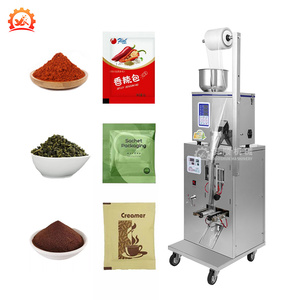
DZD-220 Multi-function Liquid Detergent & Sachet Packaging Machine
Get a Quote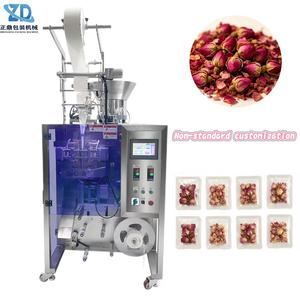
Vertical Four Side Sealing Liquid Detergent Pouch Packaging Machinery
Get a Quote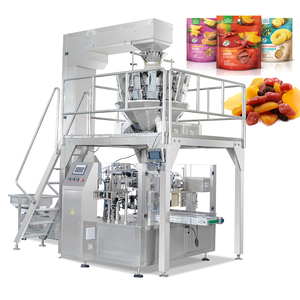
Automatic Rotary Premade Doypack Liquid Detergent Packing Machine
Get a Quote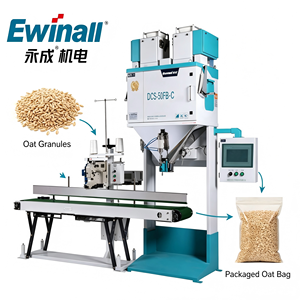
Heavy-Duty High-Speed Liquid Detergent Sachet Packaging System
Get a Quote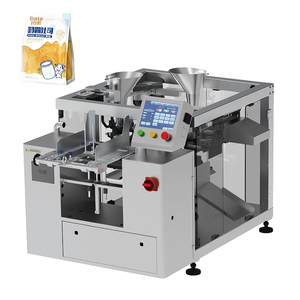
GDS200B-04 Automatic Premade Doypack Liquid Detergent Pack Machine
Get a Quote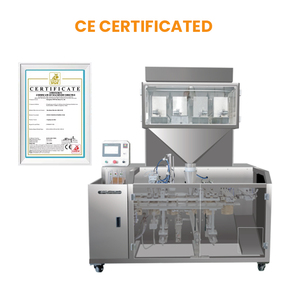
Automatic Premade Pouch Liquid Laundry Detergent Filling & Sealing Unit
Get a Quote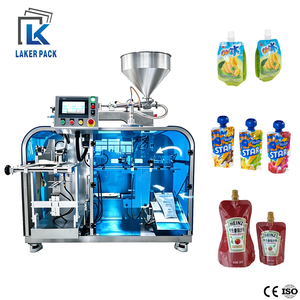
Automatic Doypack Rotary Liquid Detergent Machine for Zipper Pouches
Get a Quote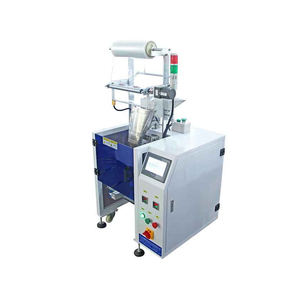
Compact High-Precision Automatic Liquid Detergent Sachet Packaging Machine
Get a QuoteThe global Fast-Moving Consumer Goods (FMCG) and household chemical manufacturing landscapes are experiencing a structural transition toward unit-dose, single-use, and eco-concentrated liquid detergent sachet packaging formats. Driven by rapid urbanization, price-sensitive emerging markets, and strict corporate sustainability mandates, consumer preference has shifted decisively away from traditional rigid 3-liter HDPE plastic bottles toward high-density flexible film sachets, stand-up pillow pouches, and water-soluble PVA (polyvinyl alcohol) pods.
For manufacturing executives, plant operations managers, and international procurement directors, identifying top trusted liquid detergent sachet machine factories requires a rigorous technical evaluation process. Liquid laundry detergent, fabric conditioner, and concentrated surface cleaners present complex rheological properties—specifically variable non-Newtonian viscosity, high surface tension, aggressive surfactant chemistry, and a strong tendency to foam under dynamic shear forces during volumetric displacement. Standard liquid filling lines fail rapidly under these conditions, resulting in seal contamination, film delamination, weight inaccuracies, and excessive downtime.
Achieving continuous operation at production speeds ranging from 60 to over 400 sachets per minute (across multi-lane vertical form-fill-seal configurations) demands sub-millimeter mechanical engineering precision. Leading OEM equipment manufacturers construct state-of-the-art packaging systems around four core mechanical subsystems:
Rheology-Matched Dosing
Utilizes rotary lobe or servo-actuated piston displacement pumps with anti-cavitation suck-back mechanics to eliminate stringing and maintain filling precision within ±0.5% tolerance across fluctuating liquid temperatures.
Seal Integrity & Cross-Contamination Avoidance
Integrates bottom-up diving filling nozzles that rise synchronously with fluid level. This prevents liquid splash-back on internal film heat-sealing zones, guaranteeing zero-channel-leak seals.
Advanced Thermal Sealing
Features continuous-duty quad-seal or 4-side seal heating jaws with independent digital PID control, engineered to seal complex multi-layer barrier laminates (PET/AL/PE, PET/NY/PE, eco-friendly Mono-PE).
Data Visualization: Technical Comparison Matrix of Filling System Architectures
When procuring liquid detergent sachet packaging systems, engineering teams must align product viscosity parameters with the correct pump mechanism. Below is an engineering evaluation matrix detailing machine operational performance across key technologies:
| Filling Technology | Dosing Accuracy | Target Viscosity Range | Max Production Speed (Single Lane) | Surfactant Foaming Control | Primary Maintenance Requirement |
|---|---|---|---|---|---|
| Servo Piston Pump | ±0.3% – ±0.5% | 100 – 15,000 cPs (Liquid Detergent, Softeners) | 40 – 80 sachets/min | Excellent (Diving Nozzle Sync) | Piston Seal Ring Replacement (12 mos) |
| Peristaltic Metering System | ±1.0% – ±1.5% | 1 – 1,000 cPs (Dilute Cleaners, Bleach) | 35 – 60 sachets/min | Moderate (Requires Defoamer Tank) | Silicone Flexible Tubing Swap (600 hrs) |
| Rotary Lobe Pump | ±0.8% | 5,000 – 50,000 cPs (Heavy Concentrated Gels) | 50 – 90 sachets/min | High (Constant Line Pressure) | Mechanical Shaft Seal Maintenance |
| Flowmeter (Magnetic/Mass) | ±0.2% | 50 – 5,000 cPs (Homogeneous Liquids) | 70 – 110 sachets/min | Superior (Non-Contact Measurement) | Clean-in-Place (CIP) Sensor Calibration |
As global consumer goods brands face increasingly strict global carbon-footprint regulations and shifting retail distribution models, capital expenditure on liquid packaging equipment must anticipate upcoming industry shifts. Machinery acquired today must accommodate the material chemistry and digital connectivity standards of tomorrow.
1. Transition to Ultra-Concentrated Single-Dose Pods and Water-Soluble PVA Films
The fast-growing detergent sachet category is rapidly adopting PVA (polyvinyl alcohol) liquid laundry pods and ultra-concentrated formulas. Packaging machinery designed for 2026 and beyond must provide ultra-precise micro-dosing (10ml to 25ml) capabilities, climate-controlled humidity enclosures to protect water-soluble films during forming, and tensionless servo web handling to prevent film rupture.
2. Eco-Friendly Mono-Material Recyclable Laminates
Legacy non-recyclable PET/AL/PE foil laminates are being systematically phased out in favor of recyclable Mono-Polyethylene (Mono-PE) and Polypropylene (PP) packaging structures. However, mono-materials exhibit significantly narrower sealing temperature windows. Advanced liquid detergent sachet packaging machine factories integrate impulse sealing technologies and ultrasonic sealing jaws to ensure airtight seals without thermal shrinkage or structural melting.
3. Industry 4.0 Smart IoT Integration and Remote Predictive Diagnostics
Tier-1 OEM machine manufacturers now equip their machine control cabinets with edge-computing hardware, OPC-UA protocols, and cloud-connected remote telemetry systems. Factory production managers can monitor real-time OEE (Overall Equipment Effectiveness), track individual fill-weight variance via integrated inline checkweighers, and execute predictive maintenance schedules before component failure occurs.
4. High-Speed Multi-Lane Scalability
To maximize floor space yield, global detergent manufacturers are shifting from single-lane units to 4-lane, 8-lane, and 12-lane multi-lane stick pack and sachet machines. Capable of output exceeding 400 sachets/min, these machines rely on centralized servo drives and integrated robotic pick-and-place cartoning modules to streamline automated end-of-line packaging.
Selecting a liquid detergent packaging machine supplier extends beyond equipment acquisition; it establishes a multi-year technical partnership. Leading factories demonstrate proven operational experience, rigorous component selection standards, comprehensive international certifications, and dependable global aftermarket service.
Tier-1 Global Component Integration
Top OEM factories standardly integrate industrial hardware from world-class automation leaders: Siemens PLC and intuitive color touchscreens, Festo pneumatic actuation systems, SICK photoelectric optical sensors, and Kollmorgen precision servo drives. This ensures worldwide spare-parts availability and maximum electrical reliability.
Certified Manufacturing Standards
Recognized factories operate under strict ISO 9001 Quality Management Systems and hold official CE Machinery Directive certifications. All liquid-contact parts are manufactured from AISI 316L surgical stainless steel, offering superior chemical resistance to aggressive surfactants and alkaline chemicals.
Global Footprint & Extended Warranty
With over 1,100+ machines operating across 95+ countries, trusted OEM factories back their machinery with an industry-leading 2-year comprehensive warranty covering mechanical, pneumatic, and electronic components, paired with 24/7 multilingual remote technical support.
High-quality liquid detergent filling machines utilize bottom-up pneumatic diving nozzles driven by high-precision servo motors. The nozzle descends into the bottom of the sachet during pouch forming and rises synchronously with the liquid surface as fluid fills the sachet. Combined with pressure-regulated suck-back cut-off valves, this prevents shear agitation, eliminates micro-foam generation, and protects the internal sealing margins from chemical contamination.
Liquid laundry detergent sachets require robust liquid-barrier laminates to prevent surfactant chemical migration and burst failures during shipping. Standard structures include PET/AL/PE (Polyester/Aluminum Foil/Polyethylene) or PET/NY/PE (Polyester/Nylon/Polyethylene) ranging from 80 to 120 microns in thickness. For eco-conscious brands, high-barrier Mono-PE recyclable laminates and water-soluble PVA (polyvinyl alcohol) pod films are also supported on specialized machine configurations.
While the core vertical form-fill-seal (VFFS) film handling chassis can be standardized, the dosing systems must be swapped. Liquid detergents require a liquid positive-displacement piston pump or rotary gear pump with sanitary fluid lines, whereas powder detergents require an auger screw feeder. Leading OEM factories offer modular quick-change dosing heads, allowing factories to switch between liquid and powder dosing systems on the same machine frame within 45 to 60 minutes.
Because liquid detergents contain aggressive anionic and non-ionic surfactants, builders, and optical brighteners, all liquid-contact components (dosing cylinders, filling pipes, liquid hoppers, and nozzles) must be constructed from AISI 316L stainless steel. Machine exterior frames and non-contact structural covers are fabricated from corrosion-resistant AISI 304 stainless steel to ensure full IP65 washdown compliance and long-term durability.
When auditing a prospective OEM factory, buyers should evaluate: 1) In-house CNC precision machining capabilities for sealing jaw alignment; 2) Integration of premium global electrical components (Siemens, Festo, SICK); 3) Factory Acceptance Testing (FAT) protocols using your actual detergent viscosity and film samples; 4) ISO 9001 and CE compliance certification validity; and 5) Availability of local technical support and guaranteed spare-parts dispatch timelines.
Leading international machinery manufacturers provide a comprehensive 2-year warranty covering all mechanical, pneumatic, and electronic components. Standard after-sales services include factory FAT video validation, on-site commissioning and engineer training, lifetime technical consultation via remote online diagnostics, and guaranteed dispatch of critical replacement spare parts within 24–48 hours.
Optimize Your Liquid Detergent Packaging Line Today
Consult with our senior packaging automation engineers to select the optimal liquid detergent sachet packaging configuration tailored to your production volume, pouch dimensions, and viscosity requirements.
Get a Quote