Featured Cosmetic Cream & Multi-Format Packaging Machinery
Explore our certified lineup of multi-lane stick pack, 4-side seal sachet, VFFS, and rotary premade pouch equipment engineered for high-accuracy dosing, zero-leak seals, and rapid production line integration.
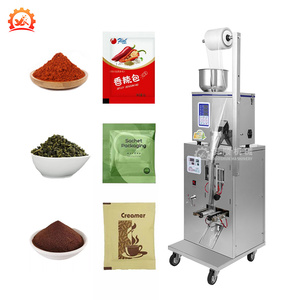
DZD-220 Multi-Function High-Speed Stick & Sachet Packaging Line
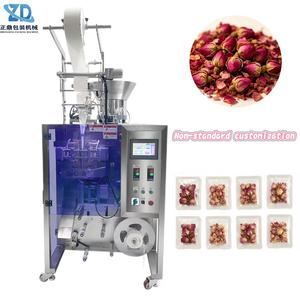
Vertical 4-Side Seal Round Corner Cosmetic Cream & Lotion Machine
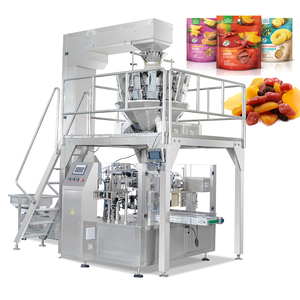
Automatic Rotary Premade Stand-up Pouch & Doypack Packaging Unit
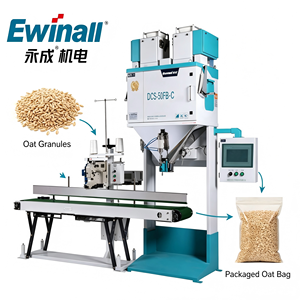
Digital Precision Bulk & Retail Liquid/Powder Filler DCS-50FB-C
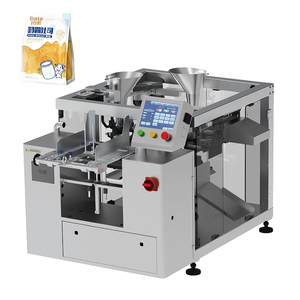
GDS200B-04 Multi-Station Rotary Premade Cream & Paste Doypack Machine
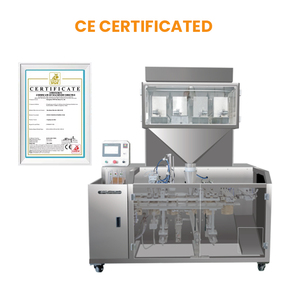
Automatic High-Speed Premade Pouch Cream & Emulsion Packaging System
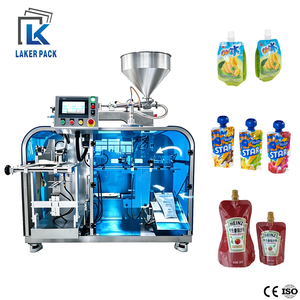
Rotary Doypack Zipper Sachet & Pouch Packaging Equipment
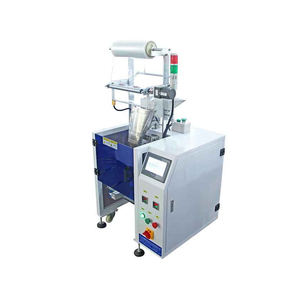
Compact Automatic Cosmetic Sachet & Sample Pouch Form-Fill-Seal Machine
Why Leading Beauty Brands Partner With Our Manufacturing Facilities
Building high-yield cosmetic packaging machinery requires a uncompromising commitment to sanitary design, component reliability, and precision fluid dynamics engineering. Here is how our machinery delivers measurable ROI.
Tier-1 Global Component Architecture
Every cosmetic cream sachet machine integrates premium components: Siemens PLC human-machine interfaces, Festo pneumatic actuators, SICK photoelectric eye-mark sensors, and Kollmorgen servo motors for zero-drift positioning.
ISO 9001 & CE Certified Construction
Manufactured under strict ISO 9001 quality management systems, our equipment carries full CE mark compliance. Built with 316L pharmaceutical-grade stainless steel contact parts to withstand rigorous sanitary washdowns.
Exported to 95+ Global Destinations
With over 1,100 machines installed worldwide across North America, Europe, the Middle East, and Asia-Pacific, our technical support engineers provide 24/7 remote diagnostics and on-site commissioning service.
2-Year Comprehensive Warranty
We stand firmly behind our mechanical craft and electronics with an industry-leading 2-year full warranty covering mechanical, pneumatic, and electronic assemblies, ensuring total peace of mind for buyers.
Industry White Paper: Executive Sourcing Guide for Cosmetic Cream Sachet Automation
The global cosmetic sampling and personal care single-dose packaging market has undergone a dramatic transformation over the past five years. Driven by rising consumer demand for travel-sized skincare, promotional sample bags, subscription beauty boxes, and hygienic single-use formats, contract manufacturers and brand owners require high-speed, flexible, and leak-proof packaging systems. Cosmetic creams, emulsions, gels, facial serums, and foundation liquids present unique physical handling challenges due to variable viscosity, active chemical stability, non-Newtonian flow behavior, and thermal sealing sensitivity.
Selecting a top-tier OEM manufacturer from China requires assessing far more than machine cost. Engineering buyers must evaluate structural rigidity, volumetric dosing accuracy, sanitary CIP/SIP cleanability, sealing jaw thermal control, and compatibility with sustainable multi-layer laminates (such as recyclable PE/PP mono-materials or aluminum-free barrier films). This technical white paper provides a comprehensive blueprint for procurement teams, production managers, and packaging engineers seeking to deploy optimal cosmetic cream sachet machinery.
Technical Comparison: Sachet Formats & Dosing Technologies
Cosmetic packaging machines can be divided into distinct functional categories based on pouch design, motion type (intermittent vs. continuous), and dosing mechanics. Understanding these differences allows procurement directors to align machine specifications with precise SKU requirements.
| Machine Architecture | Dosing System Type | Typical Speed (BPM) | Viscosity Range (cps) | Primary Cosmetic Application |
|---|---|---|---|---|
| Multi-Lane 4-Side Seal Sachet | Servo Valve Piston Array | 120 - 400 PPM | 1,000 – 50,000 | Sample packets, hotel amenities, anti-aging lotions |
| Multi-Lane Stick Pack Machine | Rotary Lobe / Servo Valve | 160 - 480 PPM | 500 – 30,000 | Elongated tube samples, sunscreens, hair serums |
| Rotary Premade Pouch (Doypack) | Single/Dual Servo Piston Pump | 30 - 60 PPM | 2,000 – 120,000 | Refill pouches, luxury stand-up cream bags |
| Single-Lane VFFS Round Corner | Pneumatic/Servo Piston | 35 - 70 PPM | 1,000 – 80,000 | Contour-die shaped sachets, premium face creams |
Critical Fluid Dynamics Challenges in Cream Packaging
Cosmetic creams are complex rheological fluids. Unlike water or thin botanical oils, high-viscosity creams exhibit shear-thinning (thixotropic) behaviors. When subjected to pressure within a pump manifold, the viscosity temporarily drops, enabling movement; however, once the pump stroke finishes and fluid enters the sachet, the cream rapidly regains structural thickness.
1. Anti-Drip & Anti-Stringing Nozzle Architecture
If a single drop of cosmetic lotion lands on the inner heat-sealable layer of PE film prior to jaw closure, the heat transfer will char the product, resulting in micro-channel leaks, poor seal strength, and cosmetic blemishes. To combat this, elite Chinese machinery utilizes positive suck-back (blow-back) nozzles combined with pneumatically controlled cut-off needles. The suck-back action draws residual fluid 1-2mm back into the nozzle orifice immediately after stroke termination, guaranteeing a crisp cut without stringing.
2. Thermal Regulation & Double-Jacketed Hoppers
Certain heavy beauty formulations (such as body butter, solid lip balms, or wax-rich night creams) must be filled at elevated temperatures (40°C to 65°C) to maintain fluid viscosity during dosing. Our advanced sachet machines incorporate dual-jacketed heated hoppers with internal mechanical agitators. Heating water or thermal oil circulates through the hopper jacket while low-speed paddle stirrers prevent oil-phase separation and heat stratification, ensuring uniform density and consistent volumetric fill weight.
Future Procurement Trends in Cosmetic Cream Packaging (2025–2030)
As global environmental regulations tighten and consumer preferences shift toward sustainable packaging, cosmetic brand owners must ensure that their capital equipment investments remain future-proof. Sourcing decisions made today must accommodate upcoming material science innovations and digital factory integration standards.
Trend 1: Monomaterial & Recyclable Barrier Laminates
Traditional sample sachets relied heavily on PET/ALU/PE tri-laminate structures, where the aluminum foil provided an absolute oxygen and moisture barrier. However, multi-material laminates are non-recyclable in standard municipal waste streams. Modern packaging machinery must process Monomaterial Polyethylene (MDO-PE/PE) or Monomaterial Polypropylene (PP) films.
These sustainable films feature significantly narrower thermal sealing windows and higher elastic stretch compared to foil structures. Consequently, next-generation sachet machinery must incorporate servo-driven film pull belts, pneumatic dancer-bar tension regulators, and digital PID multi-zone sealing jaws capable of maintaining temperatures within a razor-thin ±1°C tolerance to prevent film stretching, burning, or seam puckering.
Trend 2: AI Vision Inspection & Real-Time Leak Detection
High-speed cosmetic lines operating at 300+ sachets per minute cannot rely on manual quality control. Industry 4.0 integration demands online vision systems. Camera modules positioned immediately after the cutting station evaluate:
- Seal Width & Symmetry: Detecting misaligned film tracks or partial seal failures.
- OCR/OCV Date Code Verification: Confirming batch numbers, manufacturing dates, and 2D matrix codes are legible.
- Thermal Imaging Leak Detection: Using infrared cameras to detect heat anomalies caused by cream entrapped within the sealed edge.
Defective sachets are automatically ejected into a rejection bin via high-speed pneumatic air jets without slowing machine cycle times.
Trend 3: Modular Clean-in-Place (CIP) & Rapid Changeover
Contract packers often run multiple cosmetic formulations on a single packaging line—switching from a lightweight moisturizing lotion on Monday to an abrasive charcoal mask formulation on Tuesday. Manual disassembly of pumps, valves, and hoppers can take 3 to 5 hours, resulting in substantial downtime.
Modern Chinese manufacturing leads the market in implementing quick-release tri-clamp sanitary fittings and automated CIP cleaning cycles. By connecting the fill pump manifold to a CIP wash cart, hot sanitizing solution and purified water automatically flush the fluid pathway in under 30 minutes, fully compliant with international cosmetics Good Manufacturing Practice (ISO 22716 / GMP).
Industry & Technology Development Trends
The hardware landscape of cosmetic packaging machinery is moving away from traditional mechanical cam drives toward fully electronic multi-axis servo control. Mechanical cams, while durable, offer limited flexibility—changing sachet length or pump stroke length historically required swapping physical gears or linkages.
Modern servo-driven sachet machines utilize independent servo motors for film pulling, horizontal sealing jaw motion, vertical slitters, and piston pump strokes. Through a centralized Siemens or Allen-Bradley HMI touchscreen, operators can adjust pouch length, fill volume, seal dwell time, and speed acceleration curves dynamically during operation. This reduces changeover times from hours to minutes and minimizes packaging film waste during product setup.
Frequently Asked Questions (FAQ)
Essential technical insights and answers to common procurement, engineering, and operational questions regarding cosmetic cream sachet equipment.