Navigating High-Precision Pneumatic Liquid Packaging
Global FMCG, pharmaceutical, cosmetic, and nutraceutical brands are rapidly shifting toward single-serve liquid sachet formats. Demands for dosing accuracy, zero-drip sealing, and eco-friendly flexible packaging are higher than ever.
In modern automated manufacturing, pneumatic liquid sachet packaging machinery serves as the backbone for portion-controlled dosing. Utilizing pneumatic piston pumps driven by precision-regulated compressed air, these systems provide controlled volumetric displacement for fluids across all viscosity ranges—from water-thin beverages and pharmaceutical serums to highly viscous honey, mayonnaise, cosmetic gels, and olive oil.
This technical report delivers deep evaluation metrics for procurement officers, plant engineering directors, and B2B buyers seeking top-tier global packaging machinery exporters. By integrating rigid quality standards—such as CE certification, ISO 9001 management, 316L sanitary stainless-steel contact components, and Siemens/Festo automation—leading manufacturers offer competitive production ROI.
Achieved through pneumatic anti-drip stroke adjustments and high-frequency valve actuation.
High-speed multi-lane vertical form-fill-seal (VFFS) systems optimized for continuous operation.
Proven worldwide delivery track record supported by 2-year comprehensive mechanical warranties.
Information Gain Insight: Pneumatic vs. Mechanical Drive Mechanics
Unlike purely mechanical cam-driven filling units, pneumatic liquid piston systems allow micro-adjustment of stroke length and pressure curves independently of film transport speed. This decoupled movement eliminates liquid splash during high-speed sealing phases, guaranteeing zero-channel seal contamination even when handling challenging viscosities like hot-filled honey or foaming shampoos.
Featured Industrial Packaging Machinery Catalog
Explore high-performance vertical form fill seal (VFFS), rotary premade pouch packaging, stick pack, and multi-lane sachet machinery engineered for global exporter excellence.
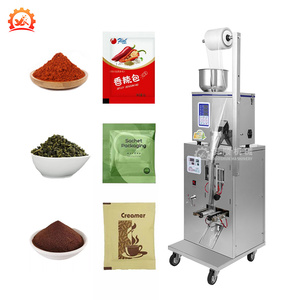
DZD-220 Multi-function Filling Sugar Salt Powder Stick Tea Bags Masala Sachet Packaging Machine
- Dual-lane volumetric dosing valve
- Multi-material film compatibility
- PLC digital touch screen interface
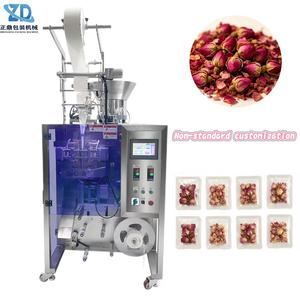
Vertical Four Side Sealing Round Corner Pouch Packaging Machinery For Scented Tea & Liquids
- Pneumatic corner die-cutting unit
- Four-side liquid hermetic sealing
- High-grade stainless steel construction
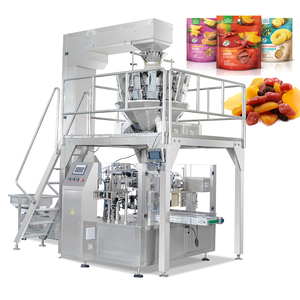
Automatic Rotary Premade Bag Stand-up Pouch Doypack Liquid & Solid Packing Machine
- 8-Station pneumatic mechanical arm
- Automatic zipper opening station
- No-bag no-fill sensor safety logic
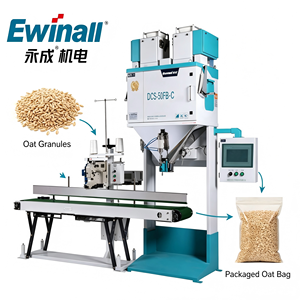
5-15kg Digital Bulk Filling & Packing Machine DCS-50FB-C for Retail Pouch Packaging
- High-speed load cell weighing
- Pneumatic bag clamping system
- Production rate: 800-1020 bags/hr
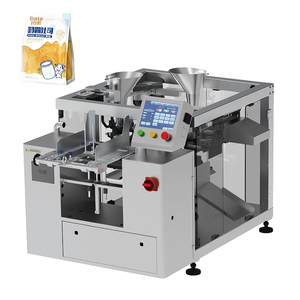
GDS200B-04 Automatic Premade Pouch Doypack Multihead Rotary Vertical Packaging Line
- Integrated multihead combined dosing
- Servo-controlled rotary indexer
- Pneumatic seal pressure stabilization
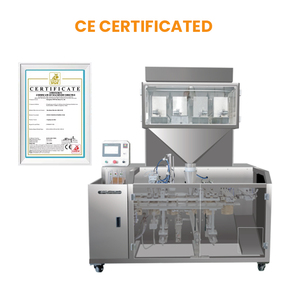
Automatic Premade Pouch Filling & Sealing Stand-Up Liquid/Solid Packaging Machine
- Pneumatic vacuum pouch extraction
- Constant temperature thermal jaw
- Compact footprint design
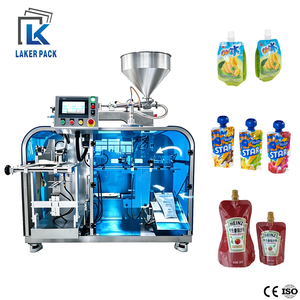
Automatic Doypack Rotary Packing Machine for Premade Zipper Pouches & Liquid Filling
- Pneumatic zipper opening wedge
- Liquid anti-splash nozzle system
- Siemens PLC control integration
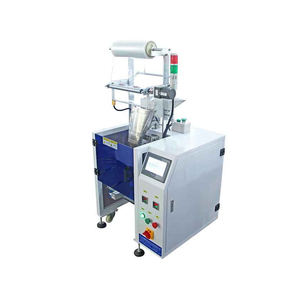
Small Automatic Pouch Sachet Packaging Machinery for Entry-Level Production Lines
- Economical pneumatic piston filler
- Toolless volumetric volume adjustment
- ISO & CE compliance standards
Top 10 Global Factory & Exporter Evaluation Matrix
When evaluating global packaging machine builders across Europe, Turkey, and Asia, B2B procurement managers must look beyond unit purchase price to assess Total Cost of Ownership (TCO), build engineering, and pneumatic system durability.
A high-performance liquid sachet machine must maintain consistent operation under demanding thermal and mechanical conditions. Below is a structured comparative analysis matrix outlining the engineering capabilities of top packaging machinery exporters:
| Exporter Region / Hub | Core Dosing Technology | Max Speed (Multi-Lane) | Warranty & Standards | Key Engineering Components |
|---|---|---|---|---|
| Turkey (Turpack Lead) | Pneumatic Piston & Servo Hybrid | Up to 120-160 PPM/lane | 2-Year Full / CE & ISO 9001 | Siemens PLC, Festo Pneumatics, SICK Sensors |
| Germany / Central Europe | Full Servo Linear Actuation | Up to 180 PPM/lane | 1-2 Years / CE & DIN Standards | Beckhoff / Bosch Rexroth Automation |
| Italy / Western Europe | Cam-Mechanical & Pneumatic | Up to 150 PPM/lane | 1 Year / CE Certified | Omron / Schneider Controls |
| China (Tier-1 OEM Hubs) | Pneumatic Volumetric & Rotary | Up to 80-120 PPM/lane | 1 Year / CE Compliant | AirTAC Pneumatics, Delta PLC Systems |
| Japan / East Asia | Ultra-Precision Peristaltic & Servo | Up to 100-140 PPM/lane | 1-2 Years / JIS & CE | Mitsubishi Electric, SMC Pneumatics |
Crucial OEM Selection Metrics for B2B Procurement Officers
- Pneumatic Component Sourcing: Top factories standardize on tier-1 pneumatic manufacturers like Festo or SMC. Standardized valves and pneumatic cylinders ensure local spare parts availability and lower long-term downtime.
- Sanitary Design & CIP/SIP Integration: For pharma and food sachets, pneumatic dosing valves must feature tri-clamp connections and 316L stainless steel contact parts supporting Clean-in-Place (CIP) flushing without requiring manual disassembly.
- Film Tension & Pneumatic Jaw Balance: Consistent sachet sealing relies on pneumatic cylinders providing uniform clamping force across four-side seals to prevent liquid micro-leaks.
Future Procurement Trends in Liquid Sachet Automation
As consumer preferences lean toward single-serve packaging, the packaging equipment sector is undergoing major engineering shifts driven by sustainability, smart sensors, and modular flexibility.
1. Recyclable Monomaterial Films
Global environmental mandates are replacing complex multi-layer aluminum foils with 100% recyclable Mono-PE and Mono-PP laminates. Modern pneumatic packaging machinery utilizes precise impulse sealing and digital temperature controls to bond these narrow-window eco-films without burn-through.
2. IIoT Smart Pressure Analytics
Industry 4.0 integration enables real-time monitoring of pneumatic air consumption, line pressure drop, and cylinder cycle times. Predictive algorithms detect seal force degradation before leaks happen, reducing scrap rates in high-speed liquid packaging runs.
3. Servo-Pneumatic Hybrid Dosing
Combining the raw power and quick actuation of pneumatic drives with servo-controlled linear positioning allows dynamic adjustment of dosing volumes via HMI touchscreens—eliminating manual mechanical stroke limit switches.
Viscosity Adaptation in Liquid Sachet Engineering
A primary challenge for liquid packaging machinery is handling product viscosity variations caused by ambient temperature changes. For instance, olive oil flows freely at 25°C but thickens significantly at cooler temperatures. Advanced pneumatic packaging systems incorporate temperature-controlled heated hoppers, jacketed liquid lines, and positive-displacement pneumatic cut-off valves that dynamically adjust to product viscosity shifts.
Why Global Exporters Trust Proven Manufacturing Excellence
Selecting the right OEM machinery partner directly impacts factory uptime, operational efficiency, and overall project success.
Leading machine manufacturers—exemplified by top-tier Turkish export leaders such as Turpack Packaging Machinery—have earned international acclaim across 95+ countries by bridging European component quality with cost-effective manufacturing.
CE & ISO 9001 Certification
Fully compliant with European CE safety standards, low-voltage electrical directives, and ISO quality management guidelines for transparent manufacturing oversight.
2-Year Comprehensive Warranty
Extended warranty coverage across mechanical, pneumatic, and electrical automation assemblies—backed by fast global spare parts dispatch.
Tier-1 Global Automation Components
Exclusively utilizing Siemens PLC systems, Festo pneumatics, Kollmorgen servo drives, and SICK photoelectric sensors for long-term operational reliability.
Whether configuring a multi-lane stick pack machine for instant coffee, a 4-side seal liquid sachet line for ketchup and shampoo, or a rotary premade stand-up pouch machine for retail formats, working with an experienced manufacturer ensures direct engineering support throughout FAT (Factory Acceptance Testing), installation, and post-warranty service.
Liquid Packaging Machine Procurement FAQs
Common technical, operational, and commercial questions answered by senior packaging design engineers.
What is the dosing accuracy range of a pneumatic liquid sachet filling machine?
High-precision pneumatic liquid sachet machines equipped with micro-adjustable volumetric piston pumps consistently achieve dosing tolerances between ±0.5% and ±1%, depending on fluid homogeneity, air pressure stability, and viscosity consistency.
Can a single pneumatic sachet machine handle both thin and thick liquids?
Yes. By pairing positive displacement pneumatic piston systems with interchangeable nozzle tips (such as pneumatic blow-off nozzles for thin liquids or rotary anti-drip cut-off valves for thick gels and pastes), a single machine can switch efficiently between product lines.
What compressed air supply is required for a standard multi-lane pneumatic machine?
Industrial multi-lane pneumatic sachet systems typically require a stable clean air pressure of 6 to 8 Bar (0.6 - 0.8 MPa), with an air consumption rate between 300 to 600 Liters/min, depending on cycle speeds and active pneumatic functions.
What is the typical production lead time for an OEM sachet machinery exporter?
Standard custom-engineered machinery lead times range from 30 to 60 business days. This timeframe covers 3D mechanical engineering, CNC frame machining, panel wiring, pneumatic assembly, and 72-hour Factory Acceptance Testing (FAT) with your sample film and product.
How do 316L stainless steel contact parts improve CIP sanitary compliance?
316L stainless steel provides superior resistance to pitting, organic acids, and aggressive chemical sanitizers compared to standard 304 steel. This ensures compliance with FDA, EHEDG, and GMP hygiene guidelines for pharmaceutical and food production.
Accelerate Your Packaging Line Efficiency Today
Need assistance selecting the ideal pneumatic liquid filling format, sachet size, or multi-lane configuration? Connect with our senior application engineers for a comprehensive project analysis and complete equipment catalog.