High-Precision Micro Powder & Granule Packaging Systems
Explore our engineered lineup of automated filling, sachet forming, VFFS, and rotary pouch machinery. Built with heavy-duty stainless steel architectures, servo-driven augers, and smart PLC interfaces designed for cohesive, micro-fine powders.
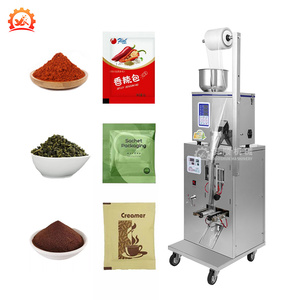
DZD-220 Multi-function Filling Sugar Salt Powder Stick Tea Bags Masala Sachet Nuts Food Potato Chips Pouch Packaging Machines
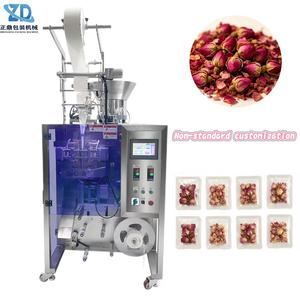
Vertical Four Side Sealing Round Corner Pouch Packaging Machinery For Non Woven Fabric Individual Scented Tea Bags
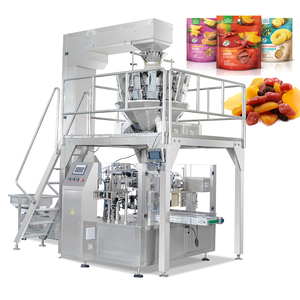
Automatic Rotary Premade Bag Dried Fruit Nuts Packing Machine Stand up Pouch Chocolate Cake Biscuit Doypack Packing Machine
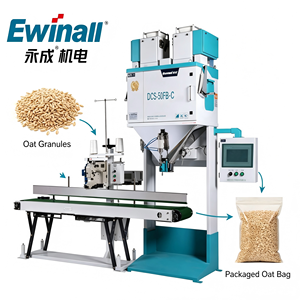
5-15kg Digital Small Rice Filling & Packing Machine DCS-50FB-C For Mini Mill And Retail Pouch Packaging 800-1020 Bags/h
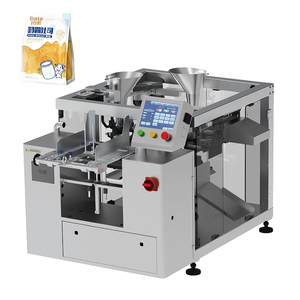
GDS200B-04 Automatical Remplissage Premade Pouch Bread Stand up Bag Doypack Multihead Weigher Rotary Vertical Pack Machine
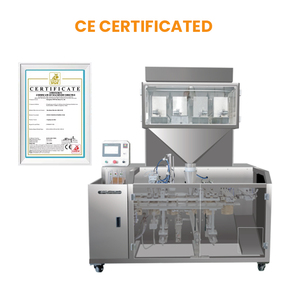
Automatic Premade Pouch Filling & Sealing Stand Up Pouch Chips Bag Packaging Machine
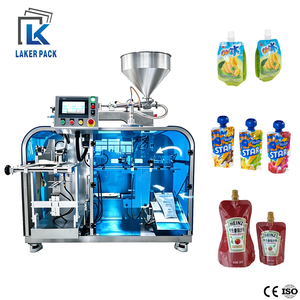
Automatic Doypack Rotary Packing Machine for Premade Doy Bags With Zipper Filling and Sealing Ziplock Pouches
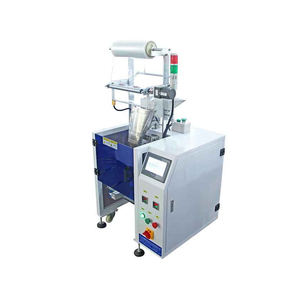
China Manufacturer Nice Price Small Automatic Packaging Machine Pouch Sachet Packaging Machinery Automatic Bag Premade Machine
Micro Powder Dosing & Packaging Engineering Overview
Micro powder dosing (defined as handling particles ranging from 0.5 to 100 microns) represents one of the most complex domains within process engineering. Unlike free-flowing granules such as table salt or refined sugar, ultra-fine powders—including pharmaceutical active ingredients, whey protein isolates, micro-milled matcha, metallic powders, and specialized chemical reagents—exhibit severe cohesive behavior, electrostatic charge accumulation, variable bulk density, and high air entrainment.
Selecting the appropriate equipment vendor requires deep technical audit capabilities. A top-tier micro powder packaging machine factory must mitigate three core industrial pain points: dust contamination during transverse sealing, volumetric weight drift caused by aeration variances, and mechanical wear caused by abrasive micro-particles. Modern factories overcome these challenges by replacing traditional pneumatic systems with multi-axis servo motors (such as Kollmorgen or Siemens), integrating vacuum de-aeration auger tooling, and deploying enclosed laminar airflow hoods to guarantee sanitary compliance (cGMP / FDA / CE standard).
Global Top 10 Micro Powder Packaging Machine Factory Benchmark Matrix
Based on operational audits, total cost of ownership (TCO) analytics, engineering standards, and worldwide after-sales deployment, the following matrix benchmarks the world's leading micro powder packaging equipment manufacturers:
| Factory / Region | Core Specialization | Dosing Mechanism | Accuracy Standard | Compliance Standards | Target Industries |
|---|---|---|---|---|---|
| Turpack Packaging Machinery (Turkey/EU Hub) | Multi-lane Stickpack, Sachet & VFFS Micro Powder Lines | Servo-Auger with Vacuum De-aeration | ±0.5% – ±0.8% | CE, ISO 9001, cGMP Ready | Pharma, Food, Beverage, Nutra |
| Optima Packaging Group (Germany) | High-Speed Ultra-Fine Pharmaceutical Dosing | Loss-In-Weight Gravimetric & Micro Augers | ±0.2% – ±0.4% | FDA, CE, ISO 14001, ATEX | Aseptic Pharma, Chemical |
| Ilapak International (Switzerland / Italy) | Horizontal & Vertical Form-Fill-Seal Systems | Volumetric & Multi-head Micro Scales | ±0.5% – ±1.0% | CE, ISO 9001 | Bakery, Micro-Spices, Cosmetics |
| Fette Compacting (Germany) | Specialized OEB containment dosing & tableting | Precision Rotary Cavity Dosing | ±0.15% – ±0.3% | GMP, FDA, EHEDG | High-Potency Pharma (HPAPI) |
| Syntegon Technology (Germany) | Integrated Pharma & Food Powder Lines | Vibratory & Servo Augers | ±0.3% – ±0.6% | FDA 21 CFR Part 11, CE | Infant Formula, Bio-Pharma |
| Zhejiang Jiameng Machinery (China) | High-Output Premade Pouch Doypack Lines | Rotary Multi-Stage Augers | ±1.0% – ±1.5% | CE, ISO 9001 | Chemical, Agricultural, Food |
| All-Fill Inc. (USA) | Rigid Container & Flexible Bag Powder Fillers | Direct Drive Servo Augers | ±0.5% – ±1.0% | UL Listed, CE | Nutraceuticals, Industrial Powder |
| Coesia Group (ACMA / Volpak) (Italy) | High-Speed HFFS Sachet Packaging | Continuous Motion Servo Filling | ±0.4% – ±0.7% | CE, ISO 9001 | Personal Care, Instant Coffee |
| Shanghai Dahe Packaging (China) | Bulk Bag & Small Pouch Powder Systems | Linear Weighing & Screw Dosing | ±0.8% – ±1.2% | CE | Milk Powder, Fine Chemicals |
| Fuji Machinery (Japan) | Ultrasonic Sealed Micro-Powder Packaging | Servo Rotary Valve Fillers | ±0.3% – ±0.5% | JIS, CE, ISO 9001 | Matcha, Medical Powders |
Engineering Challenges in Micro Powder Handling
Why traditional packaging machines fail when handling micro powders—and how modern factory innovations solve these critical operational obstacles.
Dust Suppression & Sealing Integrity
Fine micro-particles suspend naturally in ambient air. When sealing jaws close on dusty film, trapped dust breaks the hermetic seal, causing pouch leakage and atmospheric degradation. Modern factories utilize vacuum-assisted seal cleaning jaws and ultrasonic sealing modules that shatter particle barriers at 20–40 kHz frequencies, guaranteeing airtight seals even in high-dust environments.
Bulk Density Fluctuation Compensation
Micro powders compress under their own weight in hoppers. As hopper levels drop, bulk density shifts, leading to under-filling or over-filling. Leading packaging plants equip their auger fillers with Loss-In-Weight (LIW) feedback sensors connected directly to Siemens PLC algorithms, dynamically adjusting screw rotation speeds per millisecond to maintain strict dosage tolerance.
Electrostatic Discharge (ESD) Protection
Friction between micro powders and stainless steel augers generates static electric charges. This causes powders to cling to forming tubes and seal zones. Advanced micro powder packaging equipment incorporates ionizing air nozzles and anti-static carbon-fiber brushes inside the filling collar to neutralize static charges before powder contacts the packaging film.
Future Procurement Trends & Technological Evolution
As global manufacturers shift toward Industry 4.0 standards, procurement departments are evaluating packaging machinery not merely on initial capital expenditure (CapEx), but on lifetime operational efficiency (OEE), sustainability metrics, and smart automation capabilities. Key trends shaping procurement strategy include:
1. Monomaterial & Biodegradable Film Processing
Environmental regulations worldwide are mandating a transition from multi-layer aluminum/PE laminates to recyclable monomaterial PE or paper-based barrier films. Packaging machines must feature ultra-precise temperature control (PID modules with ±0.5°C tolerance) to seal monomaterials without burning or melting thin film layers.
2. Predictive Maintenance & IoT Connectivity
Factories are demanding MQTT-enabled PLCs that stream operational data—such as motor torque, heater band resistance, pneumatic pressure drops, and vibration telemetry—to cloud monitoring systems. This enables maintenance engineers to replace wearing components long before a mechanical breakdown occurs.
3. Rapid Clean-In-Place (CIP) & Toolless Changeovers
Contract manufacturers managing short production runs require fast product changeover times. Leading factories are redesigning auger hoppers with split-hinge glass windows, toolless quick-release screws, and automated internal CIP spray balls, reducing washdown and line clearance times from hours to under 20 minutes.
4. Nitrogen Flushing for Shelf-Life Extension
To prevent lipid oxidation in active micro powders (such as infant formula or nutraceutical lipids), machines are integrating multi-point gas flushing channels, achieving residual oxygen levels (residual O₂ < 1.0%) inside pouches prior to transverse sealing.
Why Global Buyers Trust Partner Factory Engineering
Building high-performance packaging lines requires decades of dedicated engineering experience. Backed by state-of-the-art European and global manufacturing standards, our partner machinery network offers unmatched technical superiority, verified quality control, and robust after-sales infrastructure.
20+ Years Excellence
Delivering certified packaging machinery solutions to worldwide industrial plants since 2005.
2-Year Warranty
Comprehensive 2-year warranty covering mechanical, electronic, and pneumatic assemblies.
95+ Export Countries
Over 1,100 active machine installations operating seamlessly across North America, Europe, Asia, and the Middle East.
Micro Powder Packaging Machine Procurement FAQs
Essential answers to technical, operational, and commercial questions raised during B2B micro powder equipment sourcing:
Request Engineering Technical Catalog & Quotation
Connect directly with senior packaging machinery application specialists. Receive complete machine dimensions, electrical schematics, speed benchmarks, and factory-direct pricing tailored to your micro powder product characteristics.