Featured OEM Packaging Machinery Solutions
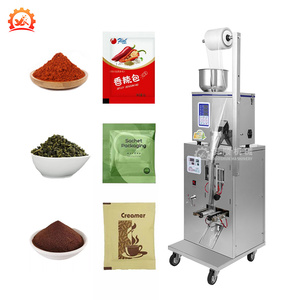
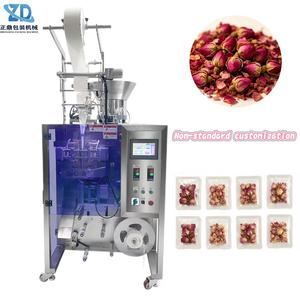
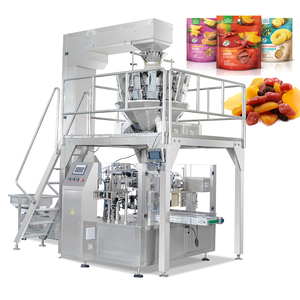
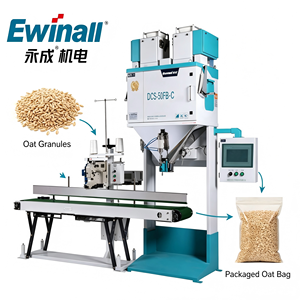
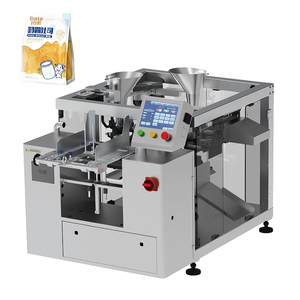
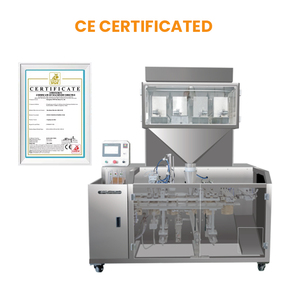
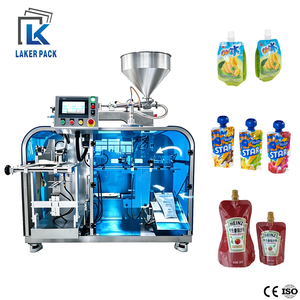
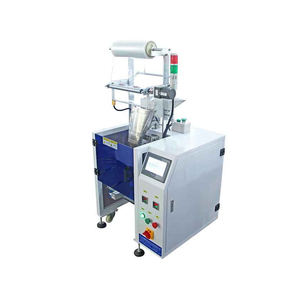
Explore our CE & ISO-certified automated packaging machinery series. Custom-configured for multi-lane stick packs, four-side seal sachets, and pre-made rotary doypacks, designed for high-density liquids, viscous sauces, powders, and food-grade applications.
Enterprise Advantage & OEM Manufacturing Superiority
In the global B2B packaging machinery landscape, securing a reliable OEM manufacturing partner requires balancing technical sophistication, hygienic compliance, operational flexibility, and robust after-sales engineering. As an industry-leading packaging machinery original equipment manufacturer, our infrastructure combines over two decades of mechanical precision with European automation standards.
Tier-1 European Component Specs
We exclusively integrate world-class hardware across all OEM liquid sauce packaging builds. Systems feature Siemens PLC touchscreen interfaces, SICK photoelectric sensors, Kollmorgen servo drives, and Festo pneumatic cylinders, ensuring spare parts accessibility worldwide.
ISO 9001 & CE Certified Production
All packaging systems conform strictly to European Union Machine Directives (CE) and ISO 9001:2015 quality management standards. Full AISI 316L stainless steel contact parts comply with US FDA and EHEDG sanitary guidelines for liquid sauce processing.
Global Service & Rapid Lead Times
With machinery deployed in over 95 countries, our engineering response network provides remote telemetry diagnosis, factory acceptance testing (FAT), site acceptance testing (SAT), and rapid replacement part dispatch to minimize line downtime.
Liquid sauce packaging (ranging from low-viscosity soy sauce at 1 cPs to high-viscosity mayonnaise and tomato paste reaching 50,000+ cPs) presents severe challenges in volumetric accuracy and seal area contamination. Standard gravity or auger fillers fail under non-Newtonian fluid behaviors. Our custom OEM machine configurations incorporate rotary lobe pumps or servo-actuated positive displacement piston pumps paired with pneumatically controlled anti-drip cut-off nozzles, guaranteeing clean seal margins and weight variances under ±0.5%.
Engineering Whitepaper: Custom OEM Liquid Sauce Packaging Systems
Single-serve sachets, stick packs, and pre-made stand-up Doypacks have transformed condiment distribution across QSR (Quick Service Restaurants), institutional catering, and consumer retail. Developing a custom OEM liquid sauce packaging production line demands rigorous technical analysis of rheological dynamics, thermal sealing behavior, and automated cleaning protocols.
1. Dosing Architecture & Viscosity Calibration Matrix
Selecting the appropriate dosing engine depends directly on the fluid's shear rate, particulate content (e.g., chili seeds, diced herbs, garlic granules), and filling temperature profile. OEM factories must customize the dosing manifold based on established rheological parameters:
| Sauce / Liquid Type | Viscosity Range (cPs) | Recommended Dosing System | Sanitary Valve System | Key Engineering Customization |
|---|---|---|---|---|
| Soy Sauce, Vinegar, Broths | 1 – 50 cPs | Flowmeter / Gravity Valve | Pneumatic Diaphragm | Anti-foaming bottom-up filling nozzles |
| Ketchup, Sweet Chili Sauce | 1,000 – 5,000 cPs | Servo Piston Pump | Rotary Cut-off Valve | Jacketed heated hopper with mechanical agitator |
| Mayonnaise, Salad Dressing | 5,000 – 20,000 cPs | Positive Displacement Lobe Pump | Vertical Anti-Drip Nozzle | Shear-sensitive pumping to prevent emulsion breakdown |
| Chili Paste, BBQ Sauce w/ Seeds | 20,000 – 50,000+ cPs | Heavy-Duty Servo Ram Piston | Plunger Valve with Chop-Off | Particulate bypass clearance & hardened alloy seals |
2. Sanitary Design & CIP/SIP System Integration
Bacterial growth in dairy or tomato-based sauces poses serious food safety risks. Modern OEM sauce packaging machines must eliminate internal threads, dead-legs, and right-angle junctions within fluid conduits. Our custom factory builds utilize fully integrated Clean-in-Place (CIP) and Sterilization-in-Place (SIP) circuits. Automated pneumatic back-flushing valves clean pump chambers, liquid manifolds, and nozzles dynamically without requiring teardown, slashing line changeover times from hours to minutes.
3. Sealing Technology & Leakage Prevention Protocols
Liquid film sealing requires accurate heat distribution and pressure dynamics. Sauce residue caught inside the seal zone causes micro-leaks, seal bursting during transit, and accelerated product degradation. Our multi-lane stick pack and sachet machines incorporate constant heat sealing jaws engineered with independent PID digital temperature loops and pneumatic cushion cylinders. OEM options include impulse sealing for recyclable mono-materials (PE/PE) or servo-driven mechanical sealing jaws offering programmable pressure curves.
Technology & Automation Trends in Sauce Packaging (2026–2030)
As global food manufacturers battle rising raw material costs and labor shortages, packaging machinery standardizations are shifting toward autonomous operation, energy efficiency, and sustainable film handling. Buyers evaluating OEM sauce machine factories must consider five macro-technological trends driving the next decade of packaging line efficiency:
1. Transition to Mono-Material Recyclable Films
Environmental legislation worldwide is phasing out non-recyclable PET/ALU/PE multi-layer foil laminates. Modern OEM liquid packaging machines are engineered with extended heating zones and precise tension control systems to process heat-sensitive mono-PE and recyclable PP films without stretching, scorching, or seal failures.
2. AI-Driven Real-Time Seal Quality Inspection
Integrating high-speed vision inspection and thermal imaging cameras at the sealing station permits 100% inline quality checking. AI algorithms detect micro-contaminations, liquid splashes, or seal wrinkles at line speeds exceeding 100 cycles per minute, triggering auto-rejection mechanisms without stopping production.
3. Smart IoT Diagnostics & Predictive Maintenance
Equipped with Siemens MindSphere or eWON cloud gateways, packaging equipment now continuously streams telemetry data—including heater performance, pneumatic pressure drop, motor torque variance, and cycle counts. OEM technicians can remotely diagnose faults and recommend component swaps prior to mechanical failures.
4. Ultra-High-Speed Multi-Lane Scalability
To meet QSR demand for single-serve ketchup and mayo sachets, OEM factories are shifting from single-lane VFFS units to 6-lane, 10-lane, and 12-lane continuous multi-lane stick pack machines capable of output rates exceeding 1,200 stick packs per minute on a single footprint.
5. Fully Automated End-of-Line Integration
Stand-alone filling machines are giving way to complete turnkey packaging cells. Sachet and stick pack lines now link directly into automated robotic pick-and-place systems, cartoning machines, and case packers, eliminating manual labor from liquid dosing through to pallet loading.
6. Hygienic Quick-Change Modular Tooling
Toolless changeover designs allow operators to swap volumetric pump blocks, bag formers, and sealing jaws within 15 minutes. This versatility enables contract packagers to run ketchup, hot sauce, and salad dressings on a single production line sequentially.
Global Sourcing & Procurement Strategy for OEM Buyers
Procuring industrial packaging machinery involves evaluating more than just upfront sticker price. Total Cost of Ownership (TCO), operational availability (OEE), scrap rates, and supplier responsiveness dictate long-term project profitability. Procurement managers evaluating custom OEM factories should leverage a structured evaluation framework:
When vetting liquid sauce packaging machine manufacturers, insist on conducting a formal Factory Acceptance Test (FAT) utilizing your actual liquid product and production-grade barrier film. Verify dosing repeatability across a minimum 1,000-bag test run, inspect seal burst strength via pneumatic pressure chamber testing, and ensure the factory provides comprehensive 3D CAD modeling during the engineering phase.
Key purchasing evaluation factors include:
- Mechanical Fabrication Standards: Verify frame thickness (minimum 304 Stainless Steel frame with 316L fluid contact areas), laser welding quality, and electrical cabinet isolation (IP65 waterproof rating for washdown environments).
- Software & Controls Flexibility: Ensure the factory provides unlocked PLC programs with open-architecture ladder logic, full multilingual HMI options, and unrestricted password access for in-house maintenance technicians.
- Spare Parts Availability: Confirm that critical wear items (heating elements, thermocouples, Teflon tapes, cutter blades, and pneumatic seals) utilize off-the-shelf commercial part numbers from global suppliers like Schneider, Festo, and Omron.
Custom OEM Liquid Sauce Packaging Machine FAQ
Build Your Custom OEM Liquid Sauce Packaging Line
Partner directly with an established engineering factory. Speak with our senior packaging machinery specialists to receive customized line layouts, technical CAD drawings, and factory-direct price quotations tailored to your exact product specifications.