1. Industrial Architecture & Engineering Standards of Pill Strip Packaging
In contemporary pharmaceutical and nutraceutical manufacturing, unit-dose strip packaging stands out as a critical barrier protection method. Unlike traditional blister packaging (Alu-PVC or Thermoformed plastic), a pill strip packaging machine creates a flexible, hermetically sealed envelope around each tablet, capsule, or caplet using two opposing sheets of heat-sealable foil (such as Alu/Alu, Paper/PE/Alu, or Cellophane/PE).
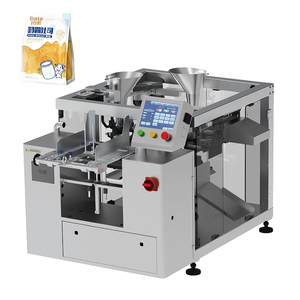
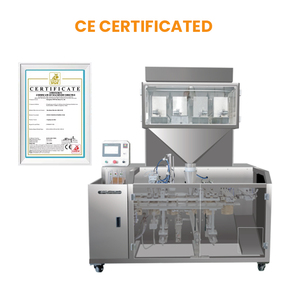
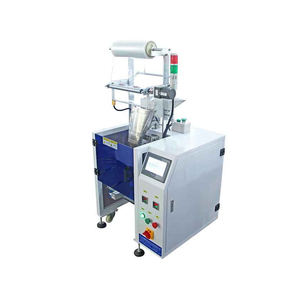
Modern automated pill strip machinery incorporates complex mechanical engineering: vibratory feeding channels, precision-machined indexing plates, servo-controlled sealing jaws, batch printing stations (laser or thermal transfer), and high-precision slitting and cross-cutting units. As a primary exporter of B2B packaging machinery from China, our manufacturing facilities adhere strictly to cGMP (current Good Manufacturing Practice) and FDA 21 CFR Part 11 compliance guidelines, ensuring full traceability and cleaning validation accessibility.
Vibratory Universal Feeder
Custom-engineered sorting channels designed for fragile tablets and softgel capsules to prevent chipping, dust creation, or misfeeds at speeds exceeding 2,400 units/min.
Servo Rotary Sealing Dies
Dual heated rollers with micro-adjustable knurling patterns (grid or line pattern) ensuring uniform pressure distribution and moisture-proof hermetic seals.
CCD Vision Inspection System
High-speed optical camera detection that checks each strip pocket for broken pills, missing dosages, foreign contaminants, and color anomalies with instant pneumatic rejection.
2. Blister Packaging vs. Pill Strip Packaging: Technical Selection Matrix
B2B procurement teams must carefully evaluate packaging formats based on product stability requirements, material cost structure, and regional consumer preferences. Below is an engineering comparison matrix highlighting key operational parameters:
| Technical Parameter | Pill Strip Packaging (Alu/Alu or Paper/Alu) | Traditional Blister (Alu/PVC) | Thermoformed Doypack / Sachet |
|---|---|---|---|
| Moisture & Oxygen Barrier | Maximum (100% Metallic Foil) | Moderate (PVC moisture permeable) | High (Multi-layer foil laminate) |
| Light & UV Protection | Total Light Opaque Protection | Transparent/Translucent (UV sensitive) | Total Light Opaque Protection |
| Child Resistance (CR) | High (Tear-resistant foil laminates) | Requires specialized peel-push backing | Moderate to High |
| Material Cost per Unit | Lower foil consumption; zero thermoforming waste | Higher plastic sheet thermoforming scrap | Higher material cost per pouch |
| Machine Footprint | Compact Vertical / Horizontal Rotary Layout | Long linear forming and sealing bed | Medium Rotary or Vertical Machine |
| Production Output Speed | Up to 4,000+ pills/min (Multi-lane) | Up to 3,000 pills/min | 80–200 pouches/min |
3. Future B2B Procurement Trends in Pharmaceutical & Unit-Dose Packaging (2025–2030)
As global pharmaceutical supply chains prioritize sustainability, cost efficiency, and smart manufacturing (Industry 4.0), sourcing behavior among overseas importers is undergoing pivotal transformations:
1. Sustainable Monomaterial Laminates
Global regulations are forcing a transition away from unrecyclable non-separable PVC/PVDC foils toward recyclable PP/PE monomaterial barrier films. Chinese OEMs are re-engineering heating jaw profiles to accommodate narrow sealing temperature windows of eco-friendly laminates.
2. Integrated Smart Serialization & QR Tracking
Anti-counterfeiting laws (such as the US DSCSA and EU FMD) require unique serial numbers on individual strip units. Next-generation strip packing machinery integrates inline industrial inkjet and laser markers connected directly to cloud MES systems.
3. Modular Multi-Product Versatility
Modern pharmaceutical contract packagers demand rapid changeover tooling. Quick-release vibratory feeding tracks and tool-less roller replacements reduce batch changeover times from 4 hours down to less than 30 minutes.
4. Next-Gen Technological Breakthroughs in Chinese Packaging Machinery
China’s machinery manufacturing sector has evolved from low-cost mechanical assembly to pioneer high-precision, servo-driven smart machinery. Key innovations integrated into modern OEM export models include:
- ✓ Full Servo Synchronization: Utilizing independent Kollmorgen or Yaskawa servo motors for film feeding, sealing roller rotation, slit cutting, and perforation. Eliminates mechanical gearbox wear and backlash errors.
- ✓ Ultra-Precise Temperature Control: PID temperature modules integrated with Siemens PLC maintain seal jaw heat within ±0.5°C, eliminating film scorching during high-speed runs or machine idles.
- ✓ Automated Pinhole Defect Rejection: High-sensitivity electro-optical infrared sensors detect micro-punctures as small as 10 microns in aluminum foil before product filling, stopping contaminated batches automatically.