Latest Technical Guides & Industry Trends
Global buyers are reassessing the Vertical Form Fill Seal Machine as product variety, labor costs, and sustainability pressures increase. These machines form bags from roll stock, dose products, seal packages, and repeat the cycle within seconds. The details matter. A poorly aligned sealing jaw can create leaks, waste film, and costly production stops.
Smithers’ packaging research identifies automation, lightweight materials, and recyclable structures as major forces shaping modern packaging equipment. Fortune Business Insights also projects continued growth in the form-fill-seal machinery market, supported by food, beverage, pharmaceutical, and personal-care production. Figures vary between reports. That variation deserves attention, because market definitions are not always identical.
“Packaging machinery must deliver flexibility, efficiency, and sustainability together,” says Jorge Izquierdo, vice president of market development at PMMI, the Association for Packaging and Processing Technologies. This principle guides the machines reviewed in Top Vertical Form Fill Seal Machines for Global Buyers. It also exposes a difficult reality: the fastest machine is not always the best investment.
Experienced procurement teams examine filling accuracy, film compatibility, changeover time, sanitation access, control systems, and regional service support. They check performance with real products, not only showroom samples. A machine handling crisp snacks may struggle with dusty powders or irregular granules. Small differences become expensive quickly.
The following guide compares leading Vertical Form Fill Seal Machine options through a practical, international lens. It considers output, reliability, operator experience, compliance, and total ownership cost. No ranking is universal. A dependable machine still requires suitable film, disciplined maintenance, trained operators, and honest production data.
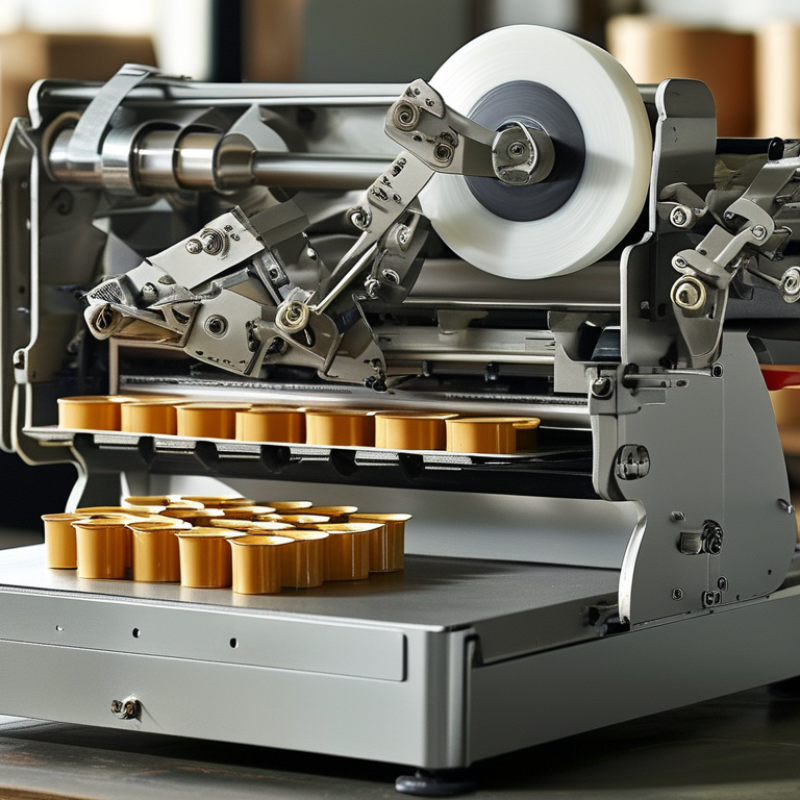
Vertical form fill seal machines, often called VFFS machines, create bags from a continuous roll of flexible film. They form, fill, and seal each package in one coordinated cycle. A forming collar folds the film around a vertical tube. A longitudinal seal closes the back, while horizontal jaws create the bottom and top seals. The result is a pillow, gusseted, or four-side-sealed pouch. Simple in concept.
During operation, an unwinder feeds film through registration sensors and tension controls. A printed mark may guide the controller, keeping graphics aligned with each cut. The filling system measures product by weight, volume, auger rotation, or counting. Powders often need auger fillers, while grains and snacks commonly use multihead weighers. The machine adjusts timing around product flow, temperature, and target weight. Those details matter.
Heat seals depend on film structure, jaw pressure, temperature, and dwell time. Operators should verify seal strength, bag length, fill accuracy, and film tracking during production. A common mistake is assuming one setting will suit every material. Small changes in humidity or product dust can disturb a stable run. Not always predictable. Buyers should request test packs and recorded performance data before selecting equipment. Routine checks of heaters, sensors, cutters, and forming parts also reveal issues before they cause excessive waste or weak seals.
Top Vertical Form Fill Seal Machines for Global Buyers
Vertical form fill seal machines serve different products, speeds, and packaging environments. Selecting the right type requires more than comparing output rates.
Intermittent-motion machines suit powders, granules, snacks, and frozen foods. They pause during forming and sealing, giving accurate control for irregular products. Continuous-motion machines run faster and support high-volume production. They work well with uniform products, such as biscuits, pouches, and small household items. The trade-off is clear. Faster lines often demand steadier product flow and tighter maintenance.
Auger filler systems handle flour, spices, coffee, and other fine powders. Their screw-based dosing improves consistency, but humidity can cause bridging inside the hopper. Multihead weighers are better for snacks, nuts, pellets, and mixed pieces. They offer flexible target weights, although fragile products may suffer from repeated drops. Liquid pumps support sauces, detergents, and viscous products. Heat and viscosity changes can still affect fill accuracy.
Gas-flush configurations help protect selected food products from oxidation. They require reliable film sealing and controlled gas flow. A small leak can reduce shelf stability. Machine compatibility also depends on film width, bag style, cleaning access, and local power standards. Buyers sometimes focus on speed and overlook changeover time. That mistake becomes expensive when operators switch between several package sizes each day. Careful trials with the actual product remain essential, because laboratory results may not match factory conditions.
| Machine Type | Typical Dosing System | Typical Output Range | Common Fill-Weight Range | Suitable Packaging Formats | Typical Products | Key Advantages | Important Selection Considerations |
|---|---|---|---|---|---|---|---|
| Intermittent VFFS Machine for Granules | Volumetric cup filler or multihead weigher | Approximately 20–80 bags per minute | About 10 g–2,000 g | Pillow bags, gusseted bags, block-bottom bags | Rice, sugar, pulses, seeds, snacks, dry pet food |
Flexible format Accurate sealing and straightforward changeovers |
Check particle size, bulk density, dust generation, target accuracy, and product flowability. |
| Continuous-Motion VFFS Machine for High-Speed Granules | Multihead weigher, linear weigher, or combination weigher | Approximately 60–180 bags per minute | About 5 g–1,500 g | Pillow bags, gusseted bags, resealable bags | Confectionery, chips, frozen foods, cereals, lightweight snacks |
High throughput Smooth film movement and reduced machine motion |
Requires stable product feeding, precise synchronization, suitable film registration, and adequate floor space. |
| Auger-Filler VFFS Machine for Powders | Servo-driven auger filler | Approximately 20–80 bags per minute | About 1 g–2,000 g | Pillow bags, gusseted bags, sachets, stick-style packs | Flour, spices, coffee, milk powder, chemical powders |
Controlled powder dosing Suitable for many free-flowing and non-free-flowing powders |
Consider dust extraction, auger design, powder aeration, sealing contamination, and cleaning requirements. |
| Volumetric Powder VFFS Machine | Volumetric cup, piston, or specialty powder filler | Approximately 25–70 bags per minute | About 5 g–1,000 g | Pillow bags and small sachets | Seasoning blends, powdered drink mixes, detergents, agricultural powders |
Cost-effective Practical for products with consistent bulk density |
Accuracy can vary when density, particle size, or product compaction changes during production. |
| Liquid VFFS Machine | Piston pump, gear pump, or peristaltic pump | Approximately 20–80 bags per minute | About 10 ml–2,000 ml | Three-side-seal sachets, pillow bags, spouted or shaped pouches | Sauces, dressings, detergents, shampoo, liquid soap |
Clean liquid handling Supports a broad range of pumpable products |
Select materials and pumps according to viscosity, foaming behavior, particulates, temperature, and hygiene standards. |
| Paste and Viscous-Product VFFS Machine | Piston filler, rotary lobe pump, or servo pump | Approximately 15–60 bags per minute | About 20 g–1,500 g | Flat pouches, gusseted pouches, three-side-seal bags | Tomato paste, honey, creams, gels, cosmetic products |
High-viscosity capability Controlled filling with reduced product splashing |
Evaluate product temperature, viscosity variation, air inclusion, nozzle shutoff, and cleaning access. |
| Gas-Flushing VFFS Machine | Weigher or filler combined with nitrogen or modified-atmosphere gas injection | Approximately 30–120 bags per minute | About 20 g–2,000 g | Gas-flushed pillow bags, gusseted bags, block-bottom bags | Roasted coffee, nuts, snacks, bakery products, oxygen-sensitive foods |
Extended freshness potential Helps reduce oxygen exposure when correctly validated |
Film barrier, residual oxygen level, gas consumption, seal integrity, and product respiration must be assessed. |
| Dust-Control VFFS Machine | Auger filler or enclosed weighing system with dust extraction | Approximately 15–70 bags per minute | About 5 g–2,000 g | Pillow bags, gusseted bags, industrial sacks | Fine food powders, minerals, pigments, construction additives |
Cleaner production Reduces airborne dust around the filling and sealing area |
Review hazardous-area classification, dust explosibility, grounding, filtration, enclosure design, and operator safety. |
| Stick-Pack VFFS Machine | Auger, volumetric cup, liquid pump, or granule dosing system | Approximately 30–240 lanes or sticks per minute, depending on configuration | About 0.5 g–30 g or ml per stick | Single-lane or multi-lane stick packs | Sugar, instant coffee, drink powder, sauces, pharmaceutical powders |
Compact portion packs Convenient for retail, food service, travel, and sampling |
Confirm lane count, film width, tear-notch requirements, dosing accuracy, and downstream counting or cartoning needs. |
| Sachet VFFS Machine | Auger, cup, piston, liquid, or special-purpose filler | Approximately 30–200 sachets per minute | About 1 g–100 g or ml | Three-side-seal and four-side-seal sachets | Condiments, cosmetics, wet wipes liquid, pharmaceutical samples, single-use products |
Low-dose packaging Efficient for trial sizes and single-serve applications |
Small seals require accurate film tracking, reliable registration, precise dosing, and careful control of product residue. |
| Heavy-Duty VFFS Machine | Net weigher, gross weigher, or industrial auger filler | Approximately 5–40 bags per minute | About 5 kg–50 kg | Large pillow bags, gusseted bags, open-mouth-style formed bags | Animal feed, fertilizer, grains, aggregates, industrial powders |
Large-bag capability Designed for demanding loads and durable film structures |
Assess frame strength, sealing jaw load, bag support, dust protection, lifting equipment, and palletizing integration. |
| Hygienic or Washdown VFFS Machine | Food-grade weigher, pump, or auger filler | Approximately 20–120 bags per minute | About 5 g–2,000 g | Pillow bags, gusseted bags, quad-seal bags | Fresh produce, frozen foods, meat alternatives, dairy ingredients |
Hygiene-focused design Improved access for inspection and sanitation |
Check stainless-steel construction, ingress protection, drainage, tool-free access, allergen control, and applicable food regulations. |
When comparing leading VFFS machines for global purchasing, buyers should examine performance beyond the brochure. Start with the product, film type, bag size, and target output. Film compatibility matters. Ask suppliers to run your actual packaging material during a witnessed factory test. Check sealing strength, fill accuracy, changeover time, and waste levels under realistic conditions.
Electrical standards also deserve close attention. Confirm voltage, frequency, compressed-air requirements, and control-system language before ordering. During factory evaluations, I look for clean frame construction, guarded moving parts, accessible sealing units, and simple washdown routines. A machine may run quickly, yet poor access can make daily cleaning slow. Test it.
Compare documentation and support with equal care. Clear manuals, wiring diagrams, spare-parts lists, and operator training reduce avoidable downtime. Remote diagnostics can help, but local technical support remains valuable when production stops at night. Review response times, recommended spare inventories, and warranty boundaries in writing. Not every promise survives installation.
Total ownership cost should include installation, utilities, tooling, film waste, maintenance, and staff training. A low purchase price can hide expensive changeovers or specialized parts. Request references from facilities using similar products and operating conditions. I once focused too heavily on speed and underestimated cleaning time. That mistake changed my comparison sheet. Leave room for practical observations, because the fastest machine is not always the most dependable choice.
Choosing a top vertical form fill seal machine requires more than comparing speed and purchase price. International buyers should verify applicable standards, including electrical safety, hygienic design, and documentation for local approval. ISO 22000 certification supports food-safety systems, but it does not automatically certify the machine itself. Request test records, material specifications, risk assessments, and a clear declaration of conformity.
Market data shows why this decision matters. PMMI’s 2023 State of the Industry report recorded US packaging machinery shipments of approximately $10.2 billion in 2022. This strong demand increases supplier choice, but also creates uneven service quality. The International Energy Agency reported that motor-driven systems consume about 70% of industrial electricity. Therefore, buyers should compare sealing temperature control, compressed-air demand, standby consumption, and changeover losses. A machine with a lower price can become expensive when film waste and downtime accumulate.
Tips: Ask for a total-cost model covering installation, training, spare parts, software support, freight, and five-year energy use. Confirm response times in writing. Require remote diagnostics, local technicians, and multilingual manuals. I have seen buyers focus on bags per minute, then struggle with unstable film feeding after installation. That result is avoidable, though not always. Request production trials using your actual film, product, bag size, and target speed before signing. Service coverage may matter more than a small discount.
Installing a vertical form fill seal machine begins with a stable, level floor and enough service space. Leave room around the sealing jaws, film path, and electrical cabinet. A technician should verify power, air pressure, grounding, and sensor alignment before production. Small alignment errors can create wrinkled bags or uneven seals. These problems often appear minor, but they can increase waste quickly.
Operation improves when staff follow a written startup routine. Check film tension, forming-collar position, temperature settings, and filling accuracy. Run several empty cycles before adding product. During production, operators should watch seal pressure, cutting timing, and film tracking. A clean display does not always mean perfect output. I have seen stable readings hide gradual film drift. That is why sample checks and recorded measurements remain important.
Tips: Clean sealing surfaces every shift, especially after dusty production. Inspect belts, heaters, sensors, and pneumatic lines weekly. Replace worn parts before they damage nearby components. Keep maintenance records with dates, readings, and technician comments. Long-term performance depends on controlled heat, consistent air pressure, and timely adjustments. Do not ignore unusual noise or slower cycling. These signs may indicate wear, though diagnosis is sometimes imperfect. Train operators to stop safely and report changes early. A practical spare-parts plan also reduces downtime during international operations.
The chart shows representative operating-speed ranges for vertical form fill seal applications. Actual output depends on product characteristics, bag size, film, sealing method, dosing system, installation quality, and preventive maintenance. Well-maintained systems commonly operate within their specified speed range for many years when wear parts are replaced according to the service schedule.
: They suit powders, granules, snacks, and frozen foods. Pauses improve control for irregular products.
It fits high-volume lines with uniform products, such as biscuits or small household items. Speed needs steady product flow.
An auger filler suits flour, spices, coffee, and similar powders. Humidity may cause material bridging.
It works well for snacks, nuts, pellets, and mixed pieces. Fragile items may break after repeated drops.
Pump systems handle sauces, detergents, and viscous liquids. Temperature and viscosity changes can alter fill amounts.
Check film width, bag style, cleaning access, power standards, and changeover time. Speed alone can mislead.
Confirm a level floor, service space, power, air pressure, grounding, and sensor alignment. Small errors create wrinkled bags.
Follow a written startup routine. Check film tension, sealing temperature, filling accuracy, and tracking during production.
Clean sealing surfaces every shift. Inspect belts, heaters, sensors, and pneumatic lines weekly.
Factory conditions may differ from laboratory results. Test actual products, package sizes, and film materials before purchase. Some results remain uncertain.
A Vertical Form Fill Seal Machine is an automated packaging system that forms film into a bag, fills it with a measured product, and seals it in a continuous vertical process. Different machine configurations support applications such as powders, granules, liquids, snacks, frozen products, and other dry or free-flowing goods. Global buyers should compare filling accuracy, packaging speed, bag formats, material compatibility, control systems, changeover time, and integration with weighing or feeding equipment.
International purchasing also requires careful attention to electrical standards, safety requirements, documentation, installation support, operator training, spare-parts availability, and after-sales service. Total cost should include shipping, installation, energy use, consumables, maintenance, and expected production efficiency rather than only the initial purchase price. With proper commissioning, routine cleaning, timely inspection, and preventive maintenance, a suitable VFFS machine can deliver stable performance, reduce packaging waste, and support reliable long-term production across different operating environments.