Selecting a reliable Stick Pack Packaging Machine supplier requires more than comparing catalogue prices. Global buyers must examine engineering quality, production experience, service coverage, and long-term operating costs. A machine may look impressive in photographs, yet perform differently under real factory conditions.
This guide explores leading suppliers worldwide and the practical details that influence purchasing decisions. These include dosing accuracy, sealing consistency, film compatibility, speed, cleaning access, and spare-parts availability. A typical evaluation should consider the product itself, from fine powder drifting near the filling station to sticky granules affecting seal quality. Factory testing, sample packaging, and customer references can reveal issues that brochures rarely mention.
Supplier support also matters after installation. Responsive technicians, clear manuals, remote diagnostics, and regional service teams can reduce costly downtime. Buyers should request measurable data, not broad promises. Ask about changeover time, rejected sachet rates, energy consumption, and operator training.
No supplier ranking is perfect. Market conditions change, and a strong manufacturer for coffee, sugar, or pharmaceutical powders may not suit liquid products. Even respected companies can have uneven support across regions. This article therefore focuses on evidence, application fit, and transparent comparison rather than promotional claims. It aims to help manufacturers, distributors, and packaging professionals create a practical shortlist with fewer surprises. Good research takes time. That is the uncomfortable part.
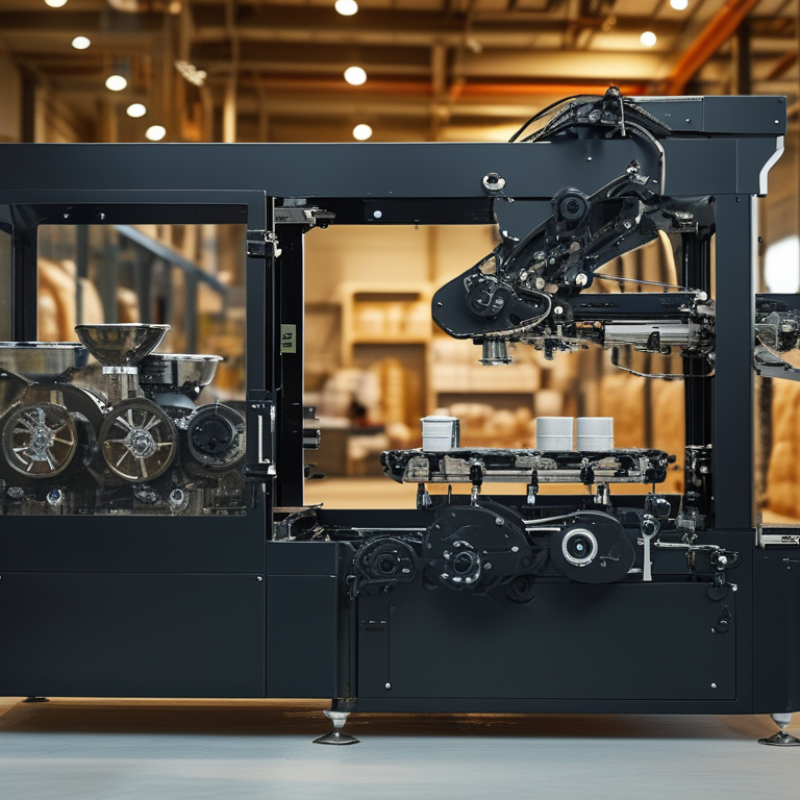
What Defines a Top Stick Pack Packaging Machine Supplier Worldwide?
A top stick pack packaging machine supplier is defined by proven engineering, not polished brochures. In real production rooms, powder can bridge, film can wrinkle, and humidity can change filling accuracy. Experienced suppliers study these details before recommending a machine. They review product density, moisture, sachet size, film structure, and target speed. Practical testing matters. A reliable supplier should provide sample runs, measurable results, and clear limits.
Technical expertise must continue after installation. Strong suppliers offer operator training, documented maintenance schedules, and accessible spare parts. They explain sealing temperature, filling tolerances, sensor settings, and cleaning procedures in plain language. Their machines should include safety systems, accurate controls, and traceable quality checks. Compliance documentation also deserves attention, especially for food, pharmaceutical, or other regulated production environments.
Service reliability often separates a good supplier from a top one. Response times, remote diagnostics, installation support, and technician availability can protect valuable production hours. I would not judge a supplier by speed claims alone. Ask for evidence from comparable applications. No supplier gets everything right. A thoughtful team admits design limitations and suggests practical adjustments. That honesty may matter more than an impressive specification sheet. Small details count, such as tool-free access, clear alarms, and a stable film path during long shifts.
FAQS
: Proven engineering matters more than attractive brochures. A reliable supplier studies powder density, moisture, film structure, sachet size, and target speed. They provide sample runs, measured results, and clear operating limits. No machine is perfect.
Testing reveals powder bridging, wrinkles, filling variation, and sealing problems. Ask for results using your actual product and film. A machine may perform differently with humid powder or narrow packs. Small differences matter.
Useful support includes operator training, maintenance schedules, spare parts, and remote diagnostics. Technicians should explain cleaning, sensor settings, sealing temperature, and filling tolerances. Instructions should be clear, not overly technical.
Servo control keeps film tension, sealing temperature, and cutting position synchronized. A small timing error can tilt seals or disturb powder filling. Narrow packs allow little correction. Accuracy matters.
Not always. More lanes can increase output, but lane balance becomes harder with narrow packs. Request data for fill-weight variation, seal strength, rejects, and film waste. Six stable lanes may outperform twelve unstable lanes.
Ask for measured speed, fill-weight variation, seal strength, changeover time, reject rates, and commissioning results. Maximum speed alone can mislead. Production evidence is stronger.
Check response times, spare-parts access, installation support, technician availability, and remote troubleshooting. Clear alarms and tool-free access can shorten routine maintenance. Small details save hours.
A thoughtful supplier admits design limitations and suggests practical adjustments. They should explain what the machine cannot reliably achieve. Specifications may look impressive. Reality can disagree.
Conclusion
A top Stick Pack Packaging Machine supplier is defined by more than equipment availability. The strongest suppliers combine dependable engineering, responsive technical support, customization options, and consistent production performance. Key evaluation metrics include output speeds of approximately 30–120 packs per minute, filling accuracy within ±1%, and stable operation across different powder, granule, and liquid applications. Suppliers should also offer practical solutions for 10–20 mm stick packs, multi-lane configurations, and servo-driven control systems that improve precision, reduce waste, and simplify format changes.
Supplier regions such as Europe, North America, and Asia-Pacific each provide different advantages in manufacturing expertise, automation capability, delivery support, and cost efficiency. Buyers should compare total operating value rather than purchase price alone, including maintenance, spare parts, training, and after-sales service. Compliance is equally important: certifications and documented processes aligned with ISO 9001, GMP, CE, and applicable 21 CFR requirements can demonstrate a supplier’s commitment to quality, safety, traceability, and reliable long-term performance.