Latest Technical Guides & Industry Trends
China has become a major sourcing center for automated powder packaging equipment. This guide examines China’s top 10 Powder Product Packing Machine manufacturers through practical purchasing criteria. It considers machine design, production experience, quality control, customization, and after-sales support. These factors matter when a factory handles flour, spices, milk powder, coffee, chemicals, or other compliant dry products.
A reliable supplier should explain filling accuracy, sealing performance, dust control, and packaging speed clearly. Buyers should also review stainless-steel grades, PLC brands, sensor quality, and cleaning access. A well-designed machine may reduce powder loss and protect operators from unnecessary exposure. Factory videos, test reports, customer references, and live demonstrations can reveal more than polished brochures. Ask for sample trials using your actual powder. Small differences in flowability can change the result.
This ranking is not absolute. Supplier strengths can vary by model, market, and project size. Some manufacturers offer strong engineering but limited international service. Others provide fast customization but need closer documentation checks. That is worth remembering. We recommend comparing quotations, electrical standards, spare-part availability, installation training, and warranty terms before making a decision. Independent certification should be verified with the issuing organization. Payment and contract conditions also deserve careful review. The best choice is rarely the cheapest machine. It is the supplier that delivers stable performance, transparent communication, and measurable support over time. Mistakes still happen, even with experienced manufacturers. Careful testing helps expose them early.
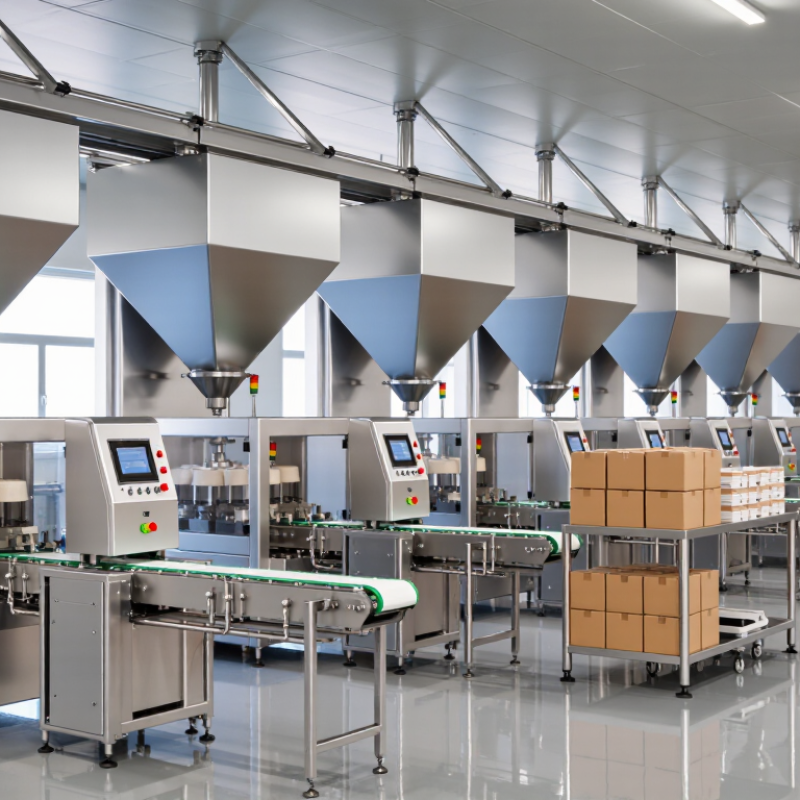
China’s powder packing machine market is expanding across food, nutrition, household, and non-hazardous industrial applications. Common equipment includes auger fillers, vertical form-fill-seal machines, premade pouch systems, sachet lines, and container fillers. Each type serves a different powder behavior.
Market estimates commonly place China’s powder packaging sector at a 5%–8% CAGR through 2030, although figures vary by research method. Demand is driven by urban convenience, smaller portion sizes, online retail, and stricter expectations for weight accuracy.
Protein powders, flour, spices, instant beverages, and detergent powders require different feeding designs. Fine powders may bridge inside the hopper, while dusty products demand stronger sealing and extraction controls.
In practical supplier evaluations, a credible top-ten shortlist should examine filling accuracy, stainless-steel construction, servo control, cleaning access, and local technical support. Factory acceptance tests should use the buyer’s actual powder, not only demonstration material. That detail matters.
A machine may perform well with free-flowing flour but struggle with sticky nutritional blends. Changeover time also affects labor costs, especially when pack sizes shift throughout the day.
China offers broad manufacturing capacity and competitive customization, but quality consistency is not automatic. CAGR data can also hide differences between premium automation and low-cost equipment segments.
A careful buyer should request test records, maintenance schedules, spare-part availability, and documented performance under realistic production conditions.
China’s powder packing machine sector is often judged by two practical benchmarks: 20–60 bags per minute and ±1% dosing accuracy. These figures reflect common industry expectations, not automatic guarantees. PMMI’s State of the Industry: U.S. Packaging Machinery report highlights automation, flexible formats, and quality control as major purchasing priorities. For powder applications, those priorities become highly measurable.
Speed is conditional. Bag size, auger diameter, powder density, humidity, and sealing time can change output sharply. A 20-gram sachet may approach 60 bags per minute, while a 1-kilogram pouch may run much slower. In factory trials, operators should record actual output over several hours, not rely on a short demonstration. The European Packaging Machinery Association also emphasizes application-specific testing and machine integration when comparing equipment performance.
±1% dosing accuracy requires more than a precise screw. Stable feeding, vibration control, calibrated load cells, and consistent powder flow are essential. A practical acceptance test can sample 20 consecutive bags, then compare average weight and variation. Powder is inconsistent. A clean spreadsheet can still hide bridging inside the hopper or dust near the sealing jaws. I would question any supplier claiming ±1% without naming the product, target weight, test duration, and environmental conditions. These details make manufacturer comparisons more credible and technically useful.
Anonymous industry benchmark profiles for powder-product packing equipment. Figures represent typical machine capability ranges used in China and comparable global packaging markets; actual performance depends on powder characteristics, pack size, film properties, and validation conditions.
| No. | Anonymous Manufacturer Profile | Common Machine Configuration | Typical Powder Application | Nominal Output | Dosing Accuracy | Typical Pack Size | Supported Bag Format | Primary Dosing System | Common Packaging Material | Automation Functions | Typical Documentation or Compliance Features |
|---|---|---|---|---|---|---|---|---|---|---|---|
| 1 | Profile A — High-Speed Vertical Line | Multi-lane vertical form-fill-seal machine | Flour, starch, cocoa powder, baking mixes | 40–60 bags/min | ±0.5% to ±1.0% | 100 g–2 kg | Pillow, gusseted, and block-bottom bags | Servo auger filler with load-cell feedback | PE, laminated PET/PE, OPP/CPP | Automatic film tracking, date coding, checkweighing, reject system | Stainless-steel product-contact parts; electrical documentation; machine risk assessment |
| 2 | Profile B — Hygienic Auger Specialist | Servo-driven auger filler with intermittent VFFS | Milk powder, nutritional powder, protein powder | 25–45 bags/min | ±0.5% to ±1.0% | 200 g–1 kg | Pillow and gusseted bags | Servo auger with agitator and anti-bridging control | Laminated PET/AL/PE, PET/PE, recyclable PE structures | Dust extraction interface, no-product-no-fill, low-level alarm | 304 stainless-steel contact surfaces; hygienic design; accessible cleaning areas |
| 3 | Profile C — Compact Premade-Pouch Line | Premade-pouch rotary packing machine with auger filler | Spices, seasoning blends, instant beverage powders | 20–35 bags/min | ±0.5% to ±1.5% | 50 g–500 g | Flat, stand-up, zipper, and spouted pouches | Servo auger filler with programmable dosing cycles | PET/PE, PET/AL/PE, high-barrier laminates | Pouch detection, vacuum opening, zipper opening, seal inspection | Recipe storage, operator safety guarding, emergency-stop circuit |
| 4 | Profile D — Large-Bag Industrial System | Open-mouth or valve-bag automatic filling line | Cement additives, minerals, chemicals, industrial powders | 8–25 bags/min | ±0.25% to ±1.0% | 10–50 kg | Open-mouth, sewn, glued, or valve bags | Gross or net-weigh filling with vibration assistance | Paper, woven PP, PE-lined paper, laminated sacks | Automatic bag placement, filling, weighing, conveying, and pallet transfer | Dust-control connection; load-cell calibration procedure; guarding and interlocks |
| 5 | Profile E — Small-Sachet Multi-Lane Line | Multi-lane stick-pack or sachet machine | 3-in-1 coffee, sugar, salt, pharmaceutical powders | 120–300 sachets/min | ±1.0% to ±2.0% | 1–50 g per sachet | Stick packs and three-side or four-side seal sachets | Multi-head auger or volumetric cup system | Paper/PE, PET/PE, PET/AL/PE, film laminates | Automatic registration, lane monitoring, batch coding, seal temperature control | Product-contact stainless steel; batch traceability fields; electrical safety documentation |
| 6 | Profile F — High-Barrier Canister Line | Canister or rigid-container powder filling system | Infant formula, nutritional supplements, powdered beverages | 20–50 containers/min | ±0.5% to ±1.0% | 100 g–2.5 kg | Metal cans, composite cans, and plastic containers | Auger filler with container tare and gross-weight verification | Metal, composite paperboard, PP, HDPE containers | Container indexing, nitrogen flushing option, lid placement, induction sealing | Controlled filling area; seal integrity checks; lot and expiry-code integration |
| 7 | Profile G — Low-Dust Fine-Powder Line | Enclosed auger packing system with dust extraction | Fine chemicals, pharmaceutical excipients, pigments | 15–35 bags/min | ±0.25% to ±1.0% | 25 g–1 kg | Pillow bags, sachets, and small premade pouches | Enclosed servo auger with controlled powder feeding | High-barrier laminated films and sealed PE structures | Negative-pressure dust extraction interface, auger monitoring, reject confirmation | Grounding provisions; cleanability considerations; controlled access to contact parts |
| 8 | Profile H — Multi-Product Flexible Line | Interchangeable auger filler and VFFS platform | Pet food powders, detergents, household powder products | 20–45 bags/min | ±0.5% to ±1.5% | 100 g–5 kg | Pillow, gusseted, quad-seal, and flat-bottom bags | Quick-change auger with recipe-based parameter control | PE, PET/PE, PET/PE-PE, recyclable mono-material films | Tool-less changeover parts, recipe management, film-splice detection | Change-part identification; stainless-steel contact components; operator training materials |
| 9 | Profile I — Premade-Bag Industrial Packer | Linear premade-bag filling and sealing machine | Detergent powder, agricultural powder, construction additives | 15–30 bags/min | ±0.5% to ±1.0% | 500 g–10 kg | Open-mouth and premade gusseted bags | Net-weigh or auger filling, selected by powder flow behavior | Woven PP, PE-lined paper, laminated woven sacks | Bag conveying, mouth opening, filling, heat sealing or sewing | Load-cell verification; dust extraction port; safety guarding and interlocks |
| 10 | Profile J — Entry-Level Modular Packer | Single-lane intermittent VFFS with semi-automatic feeding | Spices, flour, dry mixes, small-volume powder products | 20–35 bags/min | ±1.0% to ±2.0% | 50 g–1 kg | Pillow and three-side seal bags | Basic auger filler with manual or pneumatic powder feeding | PE, OPP/PE, PET/PE laminates | Touchscreen parameter setting, film registration, automatic sealing control | Basic operating manual; electrical drawings; replaceable forming and sealing parts |
China Top 10 Powder Product Packing Machine Manufacturers
Powder packing technology depends on product behavior, not only machine speed. Auger fillers handle measured doses through a rotating screw. They suit flour, protein powder, spices, and other free-flowing materials. During factory trials, I check fill accuracy at both low and high speeds. A stable auger reduces weight variation and product waste.
VFFS machines form bags from continuous film, then fill and seal them vertically. They save floor space and support common pouch formats. However, fine powder can rise into the sealing area. Effective dust control, film tracking, and heat adjustment are essential. Operators should inspect seal strength after changing film or powder humidity. Small errors become visible quickly.
Multi-lane systems produce several sachets in parallel. They fit compact products that require high output, such as single-use drink mixes or seasoning portions. Their performance depends on synchronized augers, reliable sensors, and accurate lane balancing. Cleaning can take longer than expected. That point is often overlooked in impressive production figures.
When comparing manufacturers, buyers should request test videos, sample data, and service response times. Ask for actual accuracy records, not only advertised capacity. A machine may reach its rated speed with one powder but struggle with another. No system is perfect. Careful trials reveal the compromises between speed, precision, maintenance, and packaging flexibility.
Powder Packing Technologies: Auger Fillers, VFFS, and Multi-Lane Systems
The chart compares representative commercial throughput ranges for three widely used powder-packing technologies. Auger fillers are commonly used for accurate dosing, VFFS machines integrate forming, filling, and sealing, while multi-lane systems achieve higher output by producing several sachets simultaneously. Actual performance depends on powder characteristics, package size, dosing accuracy, and machine configuration.
China’s top ten powder packing machine manufacturers should be judged by evidence, not website claims. Their portfolios usually cover auger fillers, premade pouch systems, vertical baggers, sealing units, and checkweighers. PMMI’s Global Packaging Trends research identifies automation, traceability, and flexible formats as major investment drivers. These priorities appear in Chinese factories with servo dosing, stainless-steel contact parts, and recipe storage for products such as flour, milk powder, and spices.
Certification separates capable exporters from ordinary suppliers. An ISO 9001 certificate supports process control, but it does not prove dosing accuracy. Buyers should request CE documentation, electrical test records, material certificates, and factory acceptance results. For food applications, hygienic design and GMP-compatible procedures matter more than polished brochures. I would also inspect calibration routines. Small weighing errors become expensive across thousands of bags.
Export performance offers another useful filter. UN Comtrade data under HS 842230, covering filling, closing, and related packaging machinery, shows China as a major global exporter, although this code does not isolate powder equipment. Industry reports from Interact Analysis also link packaging automation growth with labor shortages and shorter production runs. The ranking remains imperfect. Export value can reflect trading companies, not manufacturing depth. A stronger review compares installed machines, destination markets, spare-parts response, and documented acceptance tests. Manufacturers serving Southeast Asia, Europe, and the Middle East should explain voltage standards, language support, and local compliance procedures before contracts are signed.
Selecting China’s top ten powder product packing machine manufacturers requires more than comparing catalog prices. The right evaluation starts with material quality. Product-contact parts should use 304 stainless steel for standard powders, while 316L is safer for corrosive, salty, or moisture-sensitive formulas. Ask for mill certificates, weld inspection records, and surface-finish data. Polished seams matter. Rough corners can trap powder and complicate sanitation.
Dust control deserves a practical factory test. Check enclosed filling zones, extraction airflow, filter access, and powder recovery performance. A reliable supplier should provide dust readings from a representative trial, not only attractive photographs. Clean-in-place capability also needs careful review. Confirm spray coverage, drainage, drying time, and whether seals survive repeated cleaning cycles. A short CIP demo may hide difficult dead zones.
ROI should include labor, rejected packs, cleaning hours, compressed air, and maintenance parts. Request a factory acceptance test using your actual powder, packaging film, and target speed. Site acceptance should verify accuracy over several production runs. Experienced engineers will explain limitations clearly. That is a good sign. Still, payback spreadsheets can be overly optimistic when changeovers take longer than expected. Leave room for training, spare parts, and occasional manual intervention.
Many machines operate between 20 and 60 bags per minute. Actual speed depends on bag size, powder density, humidity, and sealing time.
No. A small 20-gram sachet may approach that speed. A 1-kilogram pouch usually runs much slower. Short demonstrations can mislead.
It requires stable feeding, controlled vibration, calibrated load cells, and consistent powder flow. A precise screw alone is not enough.
Weigh 20 consecutive bags and compare their average weight and variation. Record the product, target weight, test duration, and room conditions.
Bridging, uneven powder flow, and changing density can create weight differences. Testing should cover both low and high operating speeds.
They form, fill, and seal bags vertically. Fine powder may rise near the sealing jaws. Dust control, film tracking, and heat adjustment matter.
They suit compact sachets, such as drink mixes or seasoning portions. Several lanes work together. Lane balancing must remain stable.
Request test videos, sample weight data, cleaning details, and service response times. Ask for real records, not only rated capacity.
Cleaning may take longer than expected. Film changes can affect seal strength. Speed is attractive, but maintenance deserves equal attention.
China’s powder packing market is expanding as food, pharmaceutical, chemical, and household product manufacturers seek faster, cleaner, and more accurate packaging solutions. This article explores major powder product categories, key demand drivers, and expected CAGR trends, while highlighting common industry benchmarks of 20–60 bags per minute and dosing accuracy within ±1%. It also explains the working principles and application strengths of auger fillers, vertical form-fill-seal machines, and multi-lane systems.
The review of China’s top 10 manufacturers focuses on practical capabilities, quality certifications, production experience, and export performance without promoting specific brands. It also provides a structured selection guide covering 304 or 316L stainless steel construction, dust-control design, clean-in-place functions, automation compatibility, maintenance requirements, and return-on-investment evaluation. By comparing these factors, buyers can select a Powder Product Packing Machine that matches their material characteristics, production volume, hygiene standards, and long-term operating goals.