Latest Technical Guides & Industry Trends
Global packaging is becoming faster, more automated, and more demanding. Smithers’ The Future of Global Packaging to 2028 estimates that the packaging market will continue expanding across food, beverage, healthcare, and consumer goods. This growth creates practical pressure on manufacturers. They need reliable equipment, consistent seals, lower material waste, and faster changeovers. A Horizontal Form Fill Seal Machine can address these needs by forming film, filling products, and sealing finished packs within one continuous process.
The details matter. PMMI’s 2024 State of the Industry report highlights automation, labor availability, sustainability, and operational efficiency as major packaging priorities. These concerns appear clearly on production floors. Operators must manage film tension, temperature control, dosing accuracy, and cleaning access during long shifts. Even a small sealing variation can create rejected packs, downtime, or customer complaints. Small errors compound.
This guide reviews ten Horizontal Form Fill Seal Machine options for global buyers. The comparison considers output speed, package formats, sealing performance, control systems, maintenance access, energy use, and after-sales support. It also considers regional service capability and spare-parts availability, which are often overlooked during purchasing decisions. MarketsandMarkets’ Packaging Machinery Market research points to rising demand for automated and flexible packaging systems, but market forecasts cannot replace factory-level testing. No ranking fits every operation. A machine suited to frozen food may perform poorly with delicate bakery products. Buyers should request sample trials, inspect real seal quality, and verify total ownership costs before signing contracts. Some conclusions remain dependent on product characteristics and local conditions. That limitation deserves attention.
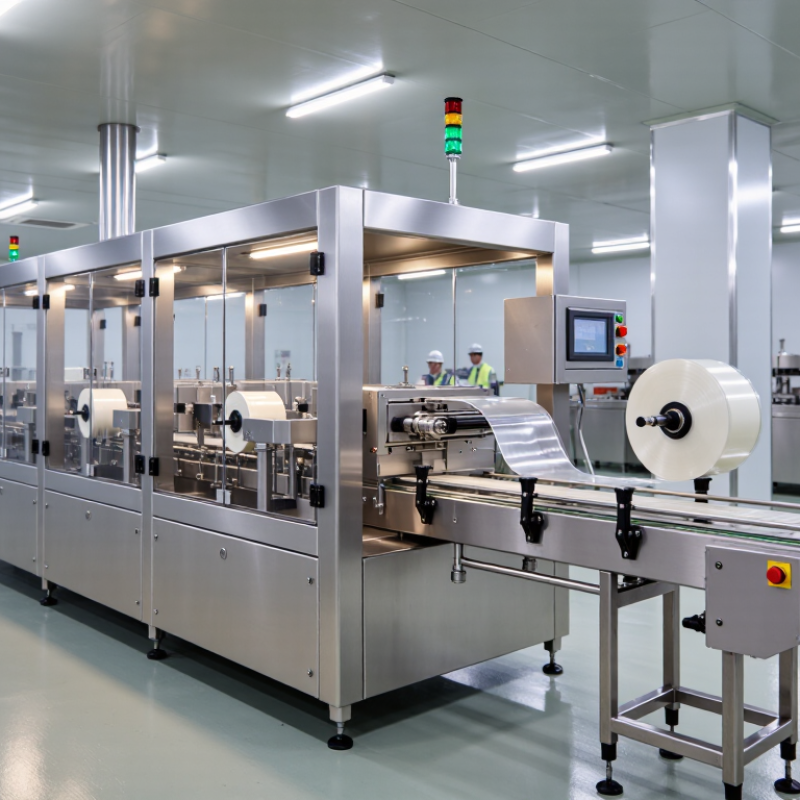
A horizontal form fill seal machine produces sealed packages from a continuous roll of flexible film. It forms the film into a pocket, places the product inside, and seals the package horizontally. A cutting station then separates each finished pack. The process runs in repeated, controlled cycles.
These machines handle products such as medical supplies, bakery items, household goods, and other dry or prepared products. Operators adjust film tension, sealing temperature, filling timing, and conveyor speed. Sensors monitor registration marks and product position. This coordination helps create clean seals and consistent package lengths. Small errors matter.
In practical production, the film must match the product and sealing method. Weak material can wrinkle or split, while excessive heat may damage sensitive contents. A clean forming area also reduces contamination risks and maintenance interruptions. Experienced teams check seal strength, package appearance, and weight during trial runs. The machine is not magic. Its performance depends on accurate settings, suitable film, and disciplined inspection.
Horizontal systems can reduce manual handling and support efficient packaging lines. However, format changes may require new tooling, longer setup time, or operator training. An attractive output rate does not always mean the lowest total cost. Buyers should examine cleaning access, control-system usability, spare-part availability, and safety features before selecting equipment. These details are easy to overlook.
Horizontal form fill seal machines convert a continuous film web into sealed packages while moving products horizontally through the line. The process looks simple. It is not.
The film unwinds from a roll and passes through guide rollers. A forming box folds it around the product path, creating a tube. A longitudinal sealing unit closes the bottom or rear seam with controlled heat and pressure. A metered feeder then places each product inside the film. Products may include baked goods, household items, or prepared portions. An infeed sensor checks spacing before the sealing cycle begins.
Next, two cross-seal jaws close across the package. They create the front seal, rear seal, and cut line in one movement. Temperature controllers maintain stable sealing conditions. Photoelectric sensors track printed marks when accurate registration matters. If film tension changes, package length can drift. This is a common problem during roll changes and deserves careful adjustment.
Reliable operation depends on more than machine speed. Operators should verify seal strength, film alignment, jaw cleanliness, and product position during each shift. A small crumb near the seal can cause a visible leak. That detail is easy to underestimate. Modern control systems record faults and production data, helping maintenance teams identify repeated stoppages. Still, automation does not replace inspection. A practical buyer should test the intended film, product dimensions, and sealing range before selecting equipment.
Top 10 Horizontal Form Fill Seal Machines for Global Buyers
Key Features and Technical Specifications
Horizontal form fill seal machines now serve bakery, snack, medical, and household-product lines. Smithers’ “The Future of Global Flexible Packaging to 2028” values the global flexible-packaging market above USD 200 billion. Its growth supports demand for faster, cleaner, and more adaptable packaging equipment. However, maximum speed can mislead. A machine rated at 120 packs per minute may slow considerably with fragile products or difficult films.
For global buyers, examine film width, bag length, sealing temperature, and product clearance. Common systems handle widths from 150 to 600 millimeters, with servo-driven film feeding improving registration accuracy. Modified-atmosphere models may include nitrogen flushing and residual-oxygen monitoring. Check sealing-jaw pressure, leak-test results, and changeover time. A stainless-steel frame, washdown-friendly design, and IP-rated electrical cabinet reduce maintenance risks. PMMI industry reports also identify automation, digital monitoring, and labor efficiency as major packaging priorities. Still, sensor quality and operator training often matter more than extra software.
Tips: Request a factory acceptance test using your real product and film. Measure seal strength, waste percentage, and actual output. Ask for electrical compatibility across target countries. Do not accept only brochure speed. Compare three production trials, because small defects can become expensive at scale. Specifications may look perfect on paper, yet temperature drift or film curl can expose weaknesses. A careful buyer should leave room for that uncertainty.
Top 10 Horizontal Form Fill Seal Machines for Global Buyers
Global buyers should compare machine formats, not just catalogue speed. The ten leading choices include intermittent-motion, continuous-motion, servo-driven, vacuum, modified-atmosphere, zipper-pouch, gusseted-pouch, small-sachet, multi-lane, and hygienic stainless-steel HFFS machines. Each format solves a different production problem. Intermittent machines suit varied pouch sizes. Continuous systems favor stable, high-volume runs. Servo control improves registration around printed film, especially when artwork must align precisely.
Vacuum and modified-atmosphere models require reliable sealing chambers and accurate gas management. Zipper and gusseted-pouch machines add convenience and shelf presence, but they demand careful film tracking. Small-sachet and multi-lane systems can raise output significantly. However, changeover becomes more complicated. A hygienic stainless-steel design supports easier cleaning in food and sensitive manufacturing areas. It still needs proper drainage and access. Shiny metal alone proves little.
From practical evaluations, buyers should request sample runs using their actual film, product, and pouch dimensions. Measure seal strength, leakage, waste, and changeover time. Watch the machine during film splices and low-fill conditions. These moments expose weaknesses. A quoted speed may not match daily output. Operators also need clear controls, spare-part access, and documented training. Local voltage, language support, factory acceptance testing, and remote diagnostics can affect long-term reliability. I would not choose solely by the highest cycles per minute. That decision sounds efficient, but it may create more downtime. One overlooked detail is compressed-air quality. Poor air can quietly damage consistency.
This chart compares ten representative horizontal form fill seal machine configurations by rated packaging speed. The figures reflect realistic operating specifications commonly published for HFFS systems, while actual output depends on product type, film material, pack size, sealing method, and changeover requirements.
Choosing a horizontal form fill seal machine starts with the product, not the catalogue. Examine its shape, moisture, fragility, and flow behavior under real production conditions. A pillow pouch may need different film tension than a sachet with sharp edges. Measure twice. Ask operators to record changeover time, seal failures, and cleaning effort. Their experience often exposes problems that a specification sheet hides. A machine that runs quickly but creates frequent rejects may reduce actual output.
Match the machine to your required pack size, target speed, film structure, and sealing temperature. Check whether the forming set can handle future sizes without expensive redesign. Servo-controlled feeding can improve registration, but it does not fix poor material quality. Request sample trials using your actual film and product. Review seal strength, leak results, print alignment, and weight consistency. These records provide stronger evidence than impressive showroom demonstrations. Independent testing is useful when claims seem unusually optimistic.
Reliable selection also depends on technical support, spare parts, training, and safety documentation. Confirm electrical standards, guarding, emergency stops, and cleaning procedures before purchase. Ask how faults are diagnosed remotely and how quickly critical components can arrive. Total cost includes film waste, labor, energy, maintenance, and downtime. A perfect calculation is rare. Leave room for seasonal demand and operator learning. I would also inspect a working installation, not only a polished demonstration. The overlooked detail may be the most expensive one.
| Rank | HFFS Machine Configuration | Typical Output Range | Typical Pack Dimensions | Suitable Products | Common Film Structures | Sealing Configuration | Typical Changeover | Best Business Fit | Key Buying Considerations |
|---|---|---|---|---|---|---|---|---|---|
| 1 | Intermittent-Motion Pillow Packer | 30–100 packs/min | Pack width: 50–250 mm Pack length: 60–350 mm |
Bakery items, snacks, confectionery, hardware kits and non-food consumer goods | Heat-sealable PE, laminated PET/PE, BOPP/PE and paper-based laminates | Centre fin seal with crimped end seals | Approximately 15–45 minutes for a standard format change | Flexible, medium-speed production | Check sealing-jaw temperature control, film tracking, product infeed accuracy and ease of format adjustment |
| 2 | Continuous-Motion Flow Wrapper | 80–250 packs/min | Pack width: 40–220 mm Pack length: 60–400 mm |
Biscuits, bread, snack bars, fresh produce, medical devices and household products | OPP/PE, PET/PE, metallized laminates and recyclable mono-polyolefin films | Continuous longitudinal seal with rotary end seals | Approximately 20–60 minutes, depending on product and tooling | High-volume retail packaging | Evaluate maximum film speed, seal-jaw design, registration accuracy, product spacing and infeed synchronization |
| 3 | Gusseted Pillow-Pack Machine | 30–120 packs/min | Pack width: 60–300 mm Pack height: 20–120 mm |
Large bakery products, pet treats, coffee, pasta, tissue products and bulky goods | PE films, laminated barrier films, metallized films and recyclable flexible laminates | Fin seal or lap seal with gusseted end closures | Approximately 20–60 minutes | Bulky or irregular products | Confirm gusset-forming range, product compression control, film-memory tolerance and available sealing area |
| 4 | Three-Side-Seal Sachet Machine | 40–160 sachets/min per lane | Sachet width: 50–180 mm Sachet length: 60–250 mm |
Powders, granules, sauces, creams, liquids and single-use samples | Paper/PE, PET/PE, PET/AL/PE, PE-based barrier films and laminated foil structures | Three heat-sealed sides with one formed film fold | Approximately 30–90 minutes | Portion packs and samples | Prioritize dosing compatibility, lane configuration, seal integrity, tear-notch quality and liquid-leak prevention |
| 5 | Four-Side-Seal Sachet Machine | 30–120 sachets/min per lane | Sachet width: 50–180 mm Sachet length: 60–250 mm |
Pharmaceutical powders, cosmetics, wet wipes, nutraceuticals and premium samples | Aluminium laminates, PET/PE, foil/PE and high-barrier multilayer films | Four independent heat-sealed edges | Approximately 30–90 minutes | Premium, high-barrier sachets | Review seal-width consistency, dust control, dosing repeatability, cleanability and compatibility with regulated products |
| 6 | Multi-Lane Stick and Strip-Format HFFS System | 120–600 packs/min total, depending on lane count | Pack width: 15–60 mm Pack length: 60–220 mm |
Drink powders, sugar, salt, instant beverages, pharmaceutical powders and liquid samples | Paper laminates, PET/PE, PET/AL/PE and high-barrier polyolefin films | Longitudinal seals with cross seals across multiple lanes | Approximately 45–120 minutes | High-output portion packaging | Compare number of lanes, dosing-system accuracy, web-tension control, cleaning access and reject management |
| 7 | Stand-Up Pouch HFFS Machine | 20–80 pouches/min | Pouch width: 100–300 mm Pouch height: 120–350 mm |
Pet food, snacks, powders, detergents, frozen foods and household products | PE/PE, PET/PE, PET/CPP, PET/AL/PE and recyclable barrier laminates | Bottom-forming seal with side and top seals; zipper options available | Approximately 45–120 minutes | Shelf-ready flexible pouches | Check bottom-gusset forming, zipper or spout integration, pouch stability, filling accuracy and seal contamination tolerance |
| 8 | Quad-Seal Pouch HFFS Machine | 15–60 pouches/min | Pouch width: 100–350 mm Pouch height: 150–450 mm |
Coffee, pet food, rice, grains, powders and heavy-duty dry products | High-strength PET/PE, PET/AL/PE, PE-based barrier films and recyclable laminates | Four-corner or quad-seal construction with a flat or gusseted base | Approximately 60–150 minutes | Strong, premium shelf presentation | Assess corner-seal tooling, large-bag handling, filling speed, bag squaring and the required floor space |
| 9 | Vacuum HFFS Packaging Machine | 10–45 packs/min | Pack width: 100–350 mm Pack length: 150–500 mm |
Fresh meat, poultry, seafood, cheese and other oxygen-sensitive foods | Vacuum barrier PA/PE, PET/PE and high-barrier multilayer films | Heat sealing after air removal or vacuum application | Approximately 45–120 minutes | Extended-shelf-life food packaging | Verify vacuum level, residual oxygen performance, leak detection, sanitation design and film puncture resistance |
| 10 | Modified-Atmosphere HFFS Packaging Machine | 15–60 packs/min | Pack width: 100–350 mm Pack length: 150–500 mm |
Fresh foods, ready meals, bakery products, salads, meat and medical products | Gas-barrier PET/PE, PA/PE, EVOH-based films and foil laminates | Gas flushing followed by hermetic heat sealing | Approximately 45–120 minutes | Controlled-atmosphere packaging | Consider gas-mixing accuracy, residual oxygen measurement, seal integrity, product temperature and hygienic construction |
It forms flexible film into a pocket, adds products, seals the package, and cuts finished packs. The process runs horizontally.
It can handle medical supplies, bakery items, household goods, and other dry or prepared products. Product shape still matters.
Film unwinds from a roll and passes through guide rollers. A forming box folds the film around the product path.
Infeed sensors check product spacing before sealing. Photoelectric sensors track printed marks and help maintain package registration.
Operators adjust film tension, sealing temperature, filling timing, and conveyor speed. Poor settings may create wrinkles, weak seals, or damaged contents.
The film must match the product and sealing method. Weak material may split, while excessive heat can damage sensitive contents.
Operators should check seal strength, film alignment, jaw cleanliness, product position, package appearance, and weight.
Yes. Horizontal systems can support efficient packaging lines and reduce repeated manual handling.
Buyers should examine cleaning access, control usability, safety features, spare-part availability, tooling needs, and operator training requirements.
This guide explains what a Horizontal Form Fill Seal Machine is and how it creates packages by forming film, accurately filling products, and sealing each pack in a continuous horizontal process. It introduces the machine’s main operating stages, including film feeding, forming, product loading, heat sealing, cutting, and discharge. Readers will also learn about important features and technical specifications, such as packaging speed, film compatibility, sealing performance, product size range, control systems, changeover time, and safety functions.
The article presents ten practical machine types suitable for global buyers, covering different packaging needs, production capacities, and product formats without focusing on specific brands. It also provides a clear framework for selecting the right HFFS solution by considering product characteristics, package dimensions, required output, available space, automation level, maintenance requirements, energy use, and total operating cost. With these factors in mind, businesses can choose a reliable Horizontal Form Fill Seal Machine that supports consistent quality, efficient production, and future growth.