Latest Technical Guides & Industry Trends
A Cosmetic Liquid Packaging Machine is equipment designed to fill containers with liquid or semi-liquid beauty products. Depending on its configuration, it may also help with capping, sealing, or labeling. A bottle moves into position, a nozzle dispenses a measured amount, and the filled container continues along the line. Small details matter. Product thickness, container shape, and filling speed can all affect how smoothly the process runs.
These machines serve products such as facial serums, lotions, cleansers, and oils, when the equipment suits the product’s properties. Some systems handle one container size; others allow changeovers between formats. The right setup depends on practical factors, including viscosity, target fill volume, production needs, and how easily parts can be cleaned. A specification sheet is useful, but it does not replace checking the machine with the actual product and packaging. Descriptions can make these systems sound simpler than they are.
This guide explains what a Cosmetic Liquid Packaging Machine does and how its main components work together. It also introduces common machine types, key selection considerations, and routine operating checks. Readers can use these details to ask more informed questions of equipment suppliers and compare options with care. No single machine fits every product line. Even a small mismatch between nozzle and bottle can lead to drips, uneven fills, or extra cleanup. The useful choice is the one that consistently handles the product, container, and production conditions at hand.
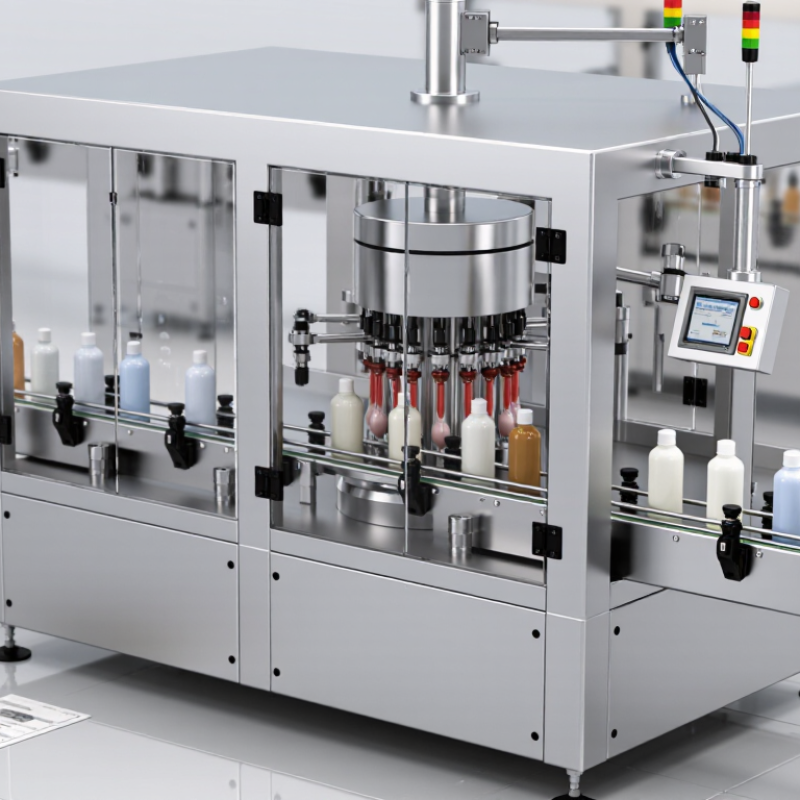
A cosmetic liquid packaging machine fills products such as lotion, shampoo, facial cleanser, and liquid foundation into containers. It may use a piston, pump, or gravity-fed system to move a measured amount through a filling nozzle. The container is positioned beneath the nozzle, filled, and then moved onward for capping or labeling. The machine’s purpose is to make filling more consistent and efficient than handling each container by hand.
The right setup depends on the product. A thin toner flows differently from a thick cream, and a narrow bottle opening may need a different nozzle. Operators often adjust fill volume, speed, and nozzle height, then inspect sample containers for drips, bubbles, or uneven levels. Small details matter. A fast cycle is not useful if product splashes onto the bottle neck or leaves residue on the conveyor. Cleaning access and changeover time also affect daily use. No machine makes every formula behave alike. That is easy to underestimate. Product temperature, air trapped in the liquid, and container shape can all influence filling results, so testing with the actual product and packaging is a practical part of choosing and setting up equipment.
A cosmetic liquid packaging machine moves containers through a sequence of controlled steps, from positioning to filling and capping. Operators load bottles or jars onto a conveyor, where guides keep them aligned beneath the filling nozzles. Sensors detect each container and help prevent filling when a bottle is missing. Small details matter.
The product usually travels from a holding tank through food-grade tubing to a pump or metering system. The machine dispenses a set volume into each container. Pump choice and fill speed depend on the formula: a thin toner flows differently from a thick lotion. Nozzle height and drip control also affect cleanliness. Small drips happen.
After filling, containers move to a capping station, where caps are placed and tightened to a specified setting. Some lines then apply labels or date codes. Before production, teams typically check fill volume, cap fit, and container alignment using samples from the line. A change in temperature or product thickness can alter flow, so settings may need adjustment. Even a well-calibrated machine needs regular observation; a smooth conveyor does not prove every bottle is filled correctly. Operators should record checks and investigate uneven levels rather than assume the equipment is at fault.
What Is a Cosmetic Liquid Packaging Machine?
Key Components and Their Functions
A cosmetic liquid packaging machine fills products such as lotion, serum, and shampoo into bottles or jars. Its hopper holds the bulk product, while a pump or piston moves measured amounts toward each filling nozzle. Nozzle design matters: a narrow opening can reduce drips, but thick creams may need a wider path. A conveyor positions containers beneath the nozzles, and sensors help detect missing or misaligned bottles. The control panel sets fill volume, speed, and timing. Small setup errors can still cause uneven fills.
Capping heads tighten closures after filling; some lines also use a labeling unit to apply product information. These stations must stay synchronized, or containers can back up between steps. Grand View Research estimated the global cosmetic packaging market at USD 34.8 billion in 2023 and projected 4.2% annual growth from 2024 to 2030. This market context makes reliable filling and finishing equipment important, though packaging demand alone does not determine the right machine. Product viscosity, container shape, and cleaning requirements should guide selection.
Tips: Test with the actual formula and container. Watch for foam, drips, and fill-level variation. Then adjust the nozzle and speed; one setting rarely suits every product.
A cosmetic liquid packaging line fills and finishes containers such as bottles and jars. This chart shows a representative order of common equipment; actual layouts vary by product, container, and production requirements.
How to read the chart: The horizontal scale shows typical process order, not machine speed, capacity, or performance. Some lines combine steps or use a different arrangement.
A cosmetic liquid packaging machine fills products such as lotion, shampoo, serum, and liquid soap into containers. The right setup depends on product thickness, container shape, and the required output. Small details matter. A narrow-neck bottle, for example, may need a different nozzle arrangement from a wide-mouth jar.
Piston fillers handle thicker creams and lotions by dispensing measured volumes. Peristaltic fillers move liquid through flexible tubing, which can help limit product contact with machine parts. Gravity and overflow fillers are often used for thinner liquids, especially when consistent fill levels matter. Machines may be manual, semi-automatic, or fully automatic.
An inline system fills containers in sequence, while a rotary system moves them around a circular station. Faster is not always better; frequent product changes can make a complex line harder to clean and adjust.
Packaging formats include plastic or glass bottles, jars, tubes, and small sachets. Each format brings practical constraints. A tall bottle can wobble on a conveyor, while a soft tube may need careful handling during filling and sealing. Closures, pumps, and labels also affect line compatibility.
Test the actual product and container together before choosing equipment. Specifications on paper rarely reveal every small alignment issue.
What Is a Cosmetic Liquid Packaging Machine?
Typical Uses in Cosmetic Production Lines
A cosmetic liquid packaging machine measures and dispenses products into containers on a production line. It may fill watery toner, facial serum, cleansing oil, or thicker lotion, depending on its pump and nozzle setup. Small details matter. A narrow nozzle can reduce splashing when filling slim bottles, while a suitable drip-control feature helps keep container necks clean.
In production, filling is often one step among several. Empty bottles or jars are positioned under the filling heads, dosed, and then moved toward capping, labeling, or case packing equipment. Some machines handle only filling; others connect with upstream and downstream stations. Operators commonly check fill levels, container alignment, and closures during a run. Not every formula flows the same way. Viscosity, foam, and temperature can affect dosing accuracy, so settings may need adjustment between products.
Changeovers also deserve attention. Contact parts should be cleaned according to the facility’s procedures, and the first filled containers can be checked before full-speed operation. A faster line is not always better. If bottles wobble or the product traps air, increasing speed may create more rejects rather than useful output. There is no perfect setup for every formula; careful trials help teams find a practical balance between consistent fills, manageable cleaning, and production pace.
A conveyor guides bottles or jars beneath filling nozzles. Sensors detect containers, and a pump or metering system dispenses a set volume. Small drips happen.
They can fill toner, serum, cleansing oil, shampoo, liquid soap, lotion, and some creams. Product thickness affects pump choice and filling speed.
Piston fillers suit thicker lotions and creams. Peristaltic fillers move liquid through flexible tubing. Gravity and overflow fillers often suit thinner liquids.
Thin toner flows differently from thick lotion. Viscosity, foam, and temperature can affect dosing, so operators may need to adjust settings. It takes observation.
Lines may handle bottles, jars, tubes, or sachets. Container shape matters: tall bottles may wobble, while soft tubes need careful handling.
Containers usually move to capping. Some lines also add labels or date codes before case packing. The exact setup varies.
They can inspect sample fill volumes, cap fit, and container alignment. Uneven levels deserve investigation. A smooth conveyor proves little.
No. Higher speed may cause wobbling, trapped air, or more rejects. Trials with the actual product and container help find a workable pace. I would still question a setting that looks perfect on paper.
A Cosmetic Liquid Packaging Machine is designed to fill, close, and prepare liquid or semi-liquid beauty products for sale. It helps production teams package items such as lotions, cleansers, serums, shampoos, and creams with consistent quantities and tidy presentation. Depending on the product and container, the machine may handle bottles, jars, tubes, or other packaging formats.
During operation, containers are positioned and filled through a controlled dispensing system, then moved to stations for tasks such as capping, sealing, labeling, or date coding. Key components commonly include a product hopper or tank, pumps or filling nozzles, a conveyor, sensors, and controls that coordinate each step. Machine types range from compact semi-automatic fillers to integrated production-line systems. By matching the equipment to a product’s thickness, container shape, and output needs, cosmetic manufacturers can improve filling accuracy, reduce handling, and maintain a smooth workflow from preparation through finished packaging.