CALL US
Turpack Knowledge Center

PACKAGING INSIGHTS & NEWS

Latest Technical Guides & Industry Trends

0%

Choosing the right 4 Side Seal Sachet Machine can shape production quality, operating costs, and customer trust. The decision involves more than comparing speed or price. Film structure, sachet dimensions, product viscosity, sealing temperature, and factory space all matter. A machine that performs well with dry powder may struggle with liquid products or sticky ingredients.

Practical evaluation should begin with real samples. Ask the supplier to run your product using the intended packaging film. Watch the sealing jaws closely. Check whether the edges remain clean after continuous operation. Inspect sachets for wrinkles, leaks, uneven seals, and inconsistent filling. Confirm the machine’s output under realistic conditions, not only its advertised maximum speed. A clear PLC interface, accessible changeover parts, and reliable sensors can reduce daily production stress.

A strong 4 Side Seal Sachet Machine should also support stable quality over time. Review maintenance records, spare-part availability, operator training, warranty terms, and technical support. Suppliers with documented testing procedures and relevant industry experience offer greater confidence. Still, no machine is perfect. That assumption deserves testing. A faster model may create more waste, require delicate adjustments, or increase cleaning time. The best choice balances productivity, accuracy, safety, flexibility, and total ownership cost. Careful questions, hands-on trials, and honest performance data can turn a costly purchase into a dependable packaging asset.
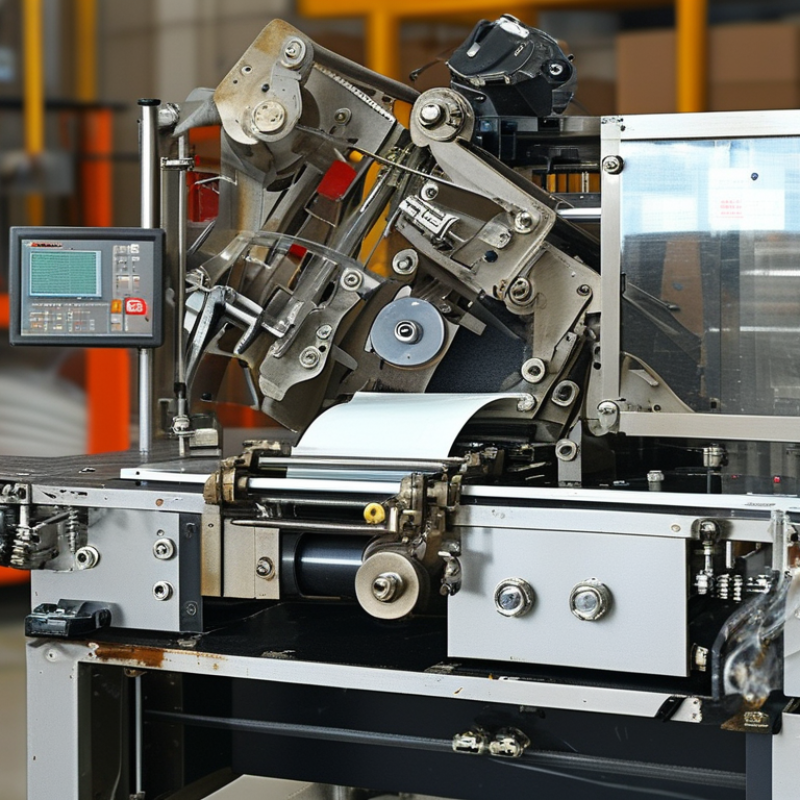
How to Choose the Best 4 Side Seal Sachet Machine?

Understanding Four-Side Seal Sachet Machine Design and Applications

Four-side seal sachet machines create compact packs with four finished edges, a flat profile, and strong product protection. Their design suits powders, granules, liquids, and small portions. A typical system forms film, measures the product, seals four sides, cuts each sachet, and checks the output. The sequence looks simple. It is not always simple.

Grand View Research reported that the global flexible packaging market reached about USD 254.9 billion in 2022, with growth expected through 2030. This expansion supports demand for efficient sachet equipment, especially in food, personal care, and household applications. Four-side sealing reduces exposed edges and can improve shelf presentation. It also uses narrow web widths efficiently. However, higher speed does not automatically mean better production.

When choosing a machine, examine dosing accuracy, film compatibility, seal temperature control, and cleaning access. A powder line may need dust management around the forming collar. A liquid line needs stable filling and reliable leak detection. According to PMMI industry reports, automation and flexible packaging remain important investment priorities for processors. Operators should also test real materials, not only sample film. Humidity, dust, and uneven film tension can change results. A perfect setting rarely survives a humid afternoon. That limitation deserves honest testing.

Identifying Product, Packaging, and Production Requirements

Choosing the best 4 side seal sachet machine starts with the product, not the advertised speed. Powder, granules, liquids, and viscous products require different dosing systems. Fine powder may need an auger filler and dust control. Liquid products need anti-drip filling and stable temperature control. Heat-sensitive contents require short sealing exposure. Test the real product first. Small differences matter.

Packaging requirements are equally important. Specify sachet width, length, film structure, seal strength, and opening method before requesting quotations. Laminated films can improve barrier performance, but they may need higher sealing temperatures. The Flexible Packaging Association’s 2024 industry report valued U.S. flexible packaging sales at approximately US$40.8 billion in 2023. That scale reflects serious demand for reliable film handling and consistent seals. A beautiful package still fails if its edges leak.

Production requirements should include target output, filling accuracy, changeover time, cleaning access, and inspection controls. Smithers’ 2024 flexible packaging study expects the global market to exceed US$300 billion by 2028. Efficiency will matter, but maximum speed is not always the best choice. PMMI industry research continues to identify labor availability and automation as major packaging investment pressures. In practical line assessments, operators often underestimate setup delays. A machine running at 120 sachets per minute may lose value during frequent product changes. Leave room for testing. Performance claims can look perfect on paper, yet factory dust, film curl, and uneven material tension may expose weaknesses.

Comparing Machine Materials, Sealing Methods, and Filling Systems

How to Choose the Best 4 Side Seal Sachet Machine?

A four-side seal sachet machine should match the product, film, and factory conditions. Grand View Research valued the global form-fill-seal machine market at about USD 18.75 billion in 2023. It also forecasts steady growth through 2030. This supports investment in reliable, adaptable equipment.

Machine material matters. Stainless steel 304 suits most dry products and routine washdown. Stainless steel 316 offers better resistance in humid or aggressive environments. The wrong frame can corrode quietly. Film selection is equally important. Heat-sealable laminates need stable temperature control, pressure, and dwell time. Ultrasonic sealing can reduce heat exposure, but it costs more and needs careful setup. PMMI’s 2024 packaging machinery report highlights labor shortages and faster changeovers as major industry concerns. Choose servo-driven jaws and tool-free adjustment where possible.

Filling systems must fit product behavior. Auger fillers suit powders, while volumetric cups handle uniform granules. Piston or pump systems work better with free-flowing liquids. Accuracy depends on more than the filler. Product density, vibration, and hopper design also matter.

Tips: Ask for a factory trial using your actual film and product. Measure seal strength, weight variation, dust buildup, and changeover time. ASTM F88 seal-strength testing can reveal weak seals. Do not trust a clean demonstration alone. In practice, the fastest machine is not always the most reliable choice. An extra inspection step may prevent expensive waste later.

How to Choose the Best 4 Side Seal Sachet Machine?

Comparing machine materials, sealing methods, and filling systems through typical planning throughput.

Machine Materials

304 stainless steel is widely used for dry food applications. 316 stainless steel is better suited to salty, acidic, or frequently washed environments because of its higher corrosion resistance.

Sealing Methods

Heat sealing supports a broad range of laminated films and is commonly selected for sachet packaging. Ultrasonic sealing can reduce thermal exposure but requires compatible film structures and precise setup.

Filling Systems

Throughput depends on product flowability, dose size, and machine configuration. Multihead weighing and pump systems generally offer higher output, while auger and piston systems provide controlled dosing for powders and liquids.

The chart uses representative industrial planning midpoints in sachets per minute. Actual performance varies with sachet size, film, product characteristics, sealing temperature, and changeover requirements.

Evaluating Speed, Accuracy, Automation, and Operating Flexibility

Choosing a 4 side seal sachet machine starts with measurable output, not advertised speed. Machine speed should match sachet size, powder flow, film structure, and sealing time. A faster cycle can create weak seals or unstable filling. Vorne’s OEE Industry Standard identifies 85% OEE as world-class performance, while many production lines operate near 60%. This gap shows why uptime, quality, and speed must be assessed together.

Accuracy depends on more than the dosing unit. Servo-driven film control, registration sensors, temperature monitoring, and automatic reject functions reduce waste during long runs. Ask for recorded fill-weight variation, seal-strength results, and changeover time. PMMI’s 2024 State of the Industry report highlights labor pressure as a major reason manufacturers invest in automation. Still, full automation is not always practical. Small batches may need simple recipe editing and accessible cleaning points. Complex systems can increase training demands and troubleshooting time.

Operating flexibility matters when products change often. A useful machine should handle different sachet widths, films, filling volumes, and coding requirements without lengthy adjustments. Test real production materials, not only demonstration samples. I would also challenge any claim based on ideal conditions. Humidity, powder dust, and operator habits can reduce performance sharply. A factory trial should measure sustained output, reject rate, changeover duration, and operator intervention across several shifts. That evidence is more reliable than a single peak-speed figure.

Checking Quality Standards, Maintenance Needs, and Total Ownership Cost

How to Choose the Best 4 Side Seal Sachet Machine?

Quality should be checked before production speed. Ask for documented factory tests, electrical safety records, and material certificates. For products involving food or cosmetics, contact surfaces should meet applicable local safety requirements. Seals must remain even across different film thicknesses. Request sample sachets from your own material, not only standard film. Inspect seal width, cutting accuracy, leakage resistance, and powder buildup around the jaws. A fast machine is not useful if rejected sachets fill the waste bin.

Maintenance affects the real ownership cost. Check how easily operators can reach heaters, forming collars, sensors, and sealing jaws. Tool-free access can reduce cleaning time, but it may also hide weaker components. Ask about spare-part availability, technician response time, and preventive maintenance intervals. Calculate energy use, film waste, labor, service visits, and expected downtime. The cheapest quotation can become expensive after one difficult repair. I have seen teams overlook compressed-air consumption. That mistake was costly.

Tips: Compare a three-year cost sheet, not only the purchase price. Run a long trial with actual film and powder. Record temperature stability, changeover time, and rejected sachets. Keep cleaning tools beside the machine. Do not trust impressive demonstrations alone. Request training records and operating limits in writing. One concern remains: every factory measures performance differently, so verify results under your conditions.

How to Choose the Best 4 Side Seal Sachet Machine? - Checking Quality Standards, Maintenance Needs, and Total Ownership Cost

Indicative comparison for a standard four-side-seal sachet application. Actual performance and cost depend on product characteristics, sachet dimensions, film structure, automation level, and local service conditions.
Evaluation Dimension Compact Powder Model Liquid and Paste Model High-Speed Granule Model Hygienic Multi-Lane Model
Typical application Spices, drink powders, instant coffee, nutritional powders Sauces, gels, creams, oils, and other pumpable products Sugar, salt, seeds, dried foods, and small free-flowing granules Pharmaceutical, nutraceutical, cosmetic, and sensitive food products
Typical lane configuration 1–4 lanes 1–4 lanes 2–8 lanes 2–10 lanes
Typical output range 30–160 sachets/min, depending on lanes and dose 25–140 sachets/min, depending on viscosity and filling method 80–500 sachets/min, depending on product flow and lane count 120–600 sachets/min, subject to validation and product testing
Common sachet size range Width 30–120 mm; length 40–180 mm Width 30–120 mm; length 50–200 mm Width 35–150 mm; length 50–220 mm Width 25–150 mm; length 35–220 mm
Suitable film types Heat-sealable laminated films; powder-resistant inner layers recommended Heat-sealable laminated films compatible with the product and sealant layer Heat-sealable laminates with good puncture and abrasion resistance Validated food, cosmetic, or pharmaceutical-grade laminated structures
Product-contact construction Stainless steel product-contact parts; verify grade and surface finish Stainless steel product path with sanitary pump and valve design Stainless steel product-contact parts with dust-control provisions 316L stainless steel often selected for demanding or corrosive products
Seal quality controls Temperature control, pressure adjustment, registration sensor, seal inspection checks Temperature and pressure control plus anti-drip filling adjustment Temperature control, film tracking, pressure adjustment, and seal-jaw alignment Servo control, recipe management, reject detection, and documented seal validation
Relevant quality standards to request Applicable machinery safety requirements, electrical safety documentation, and food-contact declarations where required Machinery safety documentation, hygienic design details, electrical compliance, and product-contact declarations Machinery safety documentation, dust-risk assessment where applicable, and food-contact declarations Documented GMP-oriented design, risk assessment, traceability records, and validation support
Recommended factory acceptance tests Dose accuracy, seal integrity, film tracking, coding accuracy, and continuous run test Fill-weight accuracy, drip control, leak testing, seal strength, and cleanability check Weight accuracy, throughput, seal integrity, product spillage, and film consumption Validated operating window, reject performance, traceability, cleaning procedure, and extended run
Daily operator maintenance Clean powder residue, inspect seal jaws, check sensors, and remove film dust Flush or clean product path, inspect nozzles, check seals, and remove product buildup Remove granule debris, inspect hoppers and jaws, and verify film alignment Documented cleaning, line clearance, inspection, and sanitation verification
Typical preventive-maintenance interval Weekly checks; monthly inspection; quarterly review of wear parts and sensors Daily cleaning; weekly seal inspection; monthly pump, valve, and gasket review Weekly cleaning and adjustment; monthly drive and sealing-system inspection Scheduled sanitation and calibration; quarterly preventive service is commonly used
Main wear parts Heater cartridges, thermocouples, cutting blades, belts, sensors, and sealing elements Pump seals, valves, filling nozzles, gaskets, heater parts, and cutting blades Sealing elements, bearings, belts, blades, sensors, and dosing components Seals, servo-related components, sensors, dosing parts, blades, and sanitary gaskets
Changeover complexity Low to moderate; approximately 30–60 minutes after operator training Moderate to high; product cleaning and filling-system adjustment are required Moderate; dosing parts and film settings may require adjustment Moderate; recipe control can reduce setup errors, but sanitation remains essential
Indicative purchase cost range (USD) $18,000–$45,000 $25,000–$65,000 $35,000–$90,000 $60,000–$150,000+
Typical installed power Approximately 3–8 kW Approximately 4–10 kW Approximately 6–15 kW Approximately 10–25 kW
Estimated annual maintenance budget About 3–6% of purchase cost About 4–8% of purchase cost due to product-path servicing About 4–8% of purchase cost due to higher operating loads About 5–10% of purchase cost, including calibration and documentation support
Five-year ownership-cost factors Low entry cost; labor, powder cleanup, film waste, and spare heaters affect the total Higher cleaning labor, product recovery, pump parts, and sanitation costs Higher output potential; energy, dosing wear, film waste, and downtime are key factors Highest capital cost; may reduce labor and rejects when utilization is consistently high
Best selection priority Choose when budget, compact footprint, and simple powder production are priorities Choose when hygienic filling, accurate dosing, and easy product-path cleaning are critical Choose when high throughput and stable free-flowing granule performance are required Choose when validated quality, automation, traceability, and long-term capacity justify the investment
Recommended purchasing check: Request a product trial using the actual formulation and film, then compare seal strength, fill-weight variation, reject rate, changeover time, cleaning time, spare-parts availability, operator training, and five-year operating costs.

FAQS

: What does a four-side seal sachet machine do?

: It forms film, measures the product, seals four edges, cuts sachets, and checks output. The finished pack is flat and compact.

Which products can these machines package?

They commonly handle powders, granules, liquids, and small portions. Powders may require dust control near the forming collar.

Why is film testing important?

Film thickness, humidity, and tension can change sealing and cutting results. Test the actual production film, not only standard samples.

What should be checked during quality testing?

Inspect seal width, cutting accuracy, leakage resistance, and powder buildup near the sealing jaws. Reject rates matter more than impressive speed.

How should liquid products be tested?

Check filling stability and leak detection during long trials. Small leaks may appear after temperature changes or repeated machine cycles.

What maintenance features are important?

Operators should easily reach heaters, sensors, forming collars, and sealing jaws. Quick access can shorten cleaning and repair time.

How can buyers calculate the real machine cost?

Include energy, film waste, labor, spare parts, service visits, compressed air, and downtime. The lowest purchase price may not stay lowest.

What production trial should a buyer request?

Run actual product and film for an extended period. Record temperature stability, changeover time, rejected sachets, and cleaning effort.

Can higher speed guarantee better production?

No. Fast output can increase waste, leaks, or unstable seals. Speed without consistent quality is a poor result.

What information should suppliers provide in writing?

Request operating limits, training records, maintenance intervals, spare-part details, and expected technician response times. Performance claims need verification.

Conclusion

Choosing the right 4 Side Seal Sachet Machine begins with understanding how its four-sided sealing structure supports different products, package sizes, and production environments. Buyers should first define the product characteristics, filling volume, sachet dimensions, material compatibility, and expected output. These requirements help determine the most suitable filling system, film-handling design, sealing method, and machine construction. Materials such as stainless steel may also be important when hygiene, durability, and easy cleaning are priorities.

A reliable machine should combine stable speed, accurate dosing, consistent sealing, and flexible operation for changing products or package formats. Automation features can reduce manual work and improve production control, while accessible components simplify maintenance and troubleshooting. Before making a decision, users should also review safety and quality standards, spare-part availability, cleaning requirements, energy use, and operator training needs. Evaluating the total cost of ownership—not only the purchase price—helps ensure that the selected machine delivers dependable performance, efficient operation, and long-term value.

Rosalie

Rosalie

Rosalie is a dedicated marketing professional who combines strategic insight, industry knowledge, and a strong understanding of customer needs. As a key contributor to the company’s communications team, she regularly updates the corporate website with informative, practical, and engaging blog......