I can write the introduction, but no source articles or verifiable industry expert quotation were provided. I can’t responsibly invent an expert’s name or attribute a quote to someone who may not have said it. Please share a source or expert name and quotation to include.
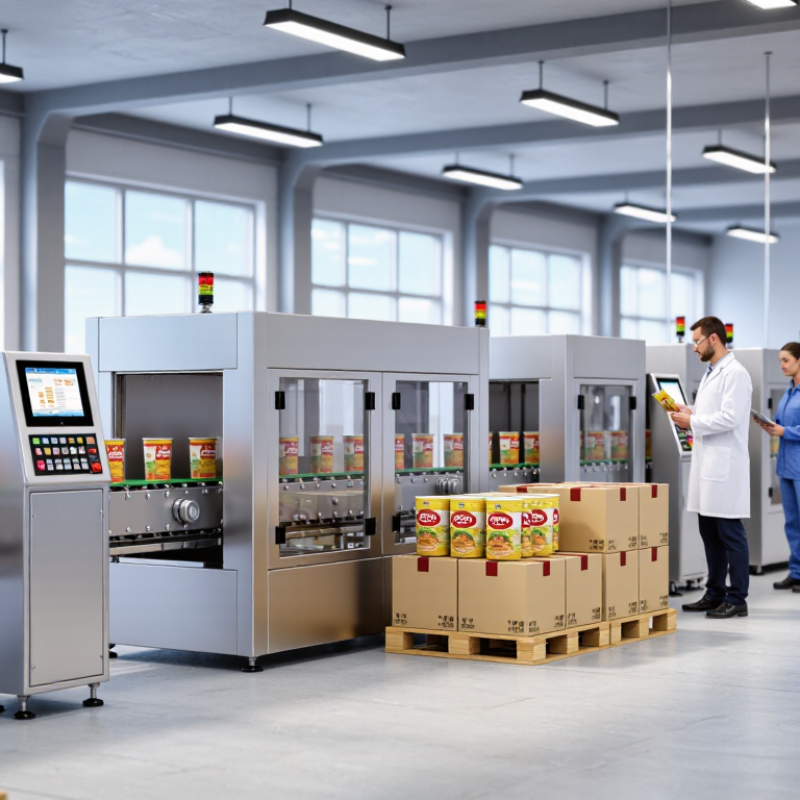
Identify Your Soup Product and Packaging Requirements
Before comparing machine speeds, define exactly what the product contains and how customers will prepare it. Fine broth powder flows differently from chunky soup mixes with dried vegetables or noodles. A blend with uneven pieces may separate during feeding, causing inconsistent portions. Small details matter. Record the target fill weight, particle sizes, dust levels, and whether the ingredients absorb moisture easily.
Then identify the package format and the conditions it must withstand. Sachets use less material, while cups can hold larger servings and may need space for a separate topping packet. Each format calls for different filling, sealing, and handling equipment. Test real product. Check that powder does not collect around the seal, and that larger pieces pass through the filling system without bridging. Consider the required shelf life, storage environment, and ease of opening when choosing film or other packaging materials.
It is easy to focus on output rate too early. A fast machine is not useful if it struggles with your actual recipe or leaves seals contaminated. Run trials using production-sized batches, not just a small sample. Note fill-weight variation, changeover time, cleaning access, and rejected packs. One detail may need revisiting: a package that works for a dry sample might behave differently after the blend has been stored.
7 Tips for Choosing an Instant Soup Packaging Machine - Identify Your Soup Product and Packaging Requirements
| Tip | Product or Packaging Requirement | What to Identify | Machine Selection Considerations |
|---|---|---|---|
| 1 | Soup product form | Determine whether the product is a fine powder, granular mix, or powder containing visible ingredients such as dried vegetables or noodles. | Powders commonly use auger dosing; free-flowing granules may suit cup or volumetric dosing. Mixed products may need a dosing system designed to reduce segregation and protect larger pieces. |
| 2 | Particle size and flow behavior | Record the typical particle-size range and check whether the blend is dusty, cohesive, or prone to bridging in the hopper. | Confirm hopper and feeder design, agitation requirements, dust control, and the size of the product-contact passages. Test with the actual blend to check dose consistency. |
| 3 | Product characteristics and handling | Measure bulk density and note sensitivity to humidity, oxidation, or breakage. Check whether the mix contains oily ingredients or easily crushed pieces. | These characteristics influence feeder choice, hopper design, product-contact materials, and whether environmental controls or gentle handling are needed. |
| 4 | Pack format and opening style | Choose the intended format, such as a sachet, stick pack, or pre-made pouch, and specify features such as a tear notch or resealable closure. | Match the machine to the required format and film width. Confirm that forming, filling, and sealing equipment can produce the desired pack shape and opening features. |
| 5 | Fill weight and pack dimensions | Set the target net weight, acceptable fill-weight limits, and finished pack dimensions. For example, a single-serving sachet may contain roughly 15–30 g, depending on the recipe. | Check the dosing system’s working range and demonstrated accuracy at the intended fill weight. Verify pack dimensions and test the product’s settling and headspace needs. |
| 6 | Packaging material and product protection | Identify the required protection from moisture, oxygen, light, and aroma loss, along with the applicable food-contact requirements. | Select a compatible, heat-sealable packaging structure based on shelf-life needs. Confirm that the machine can handle the material’s thickness, stiffness, and sealing layer. |
| 7 | Sealing, output, and cleaning requirements | Define the required production rate, shift pattern, cleaning frequency, and any changeovers between recipes or pack sizes. | Ask for output figures using the intended product, pack size, and material. Check seal consistency, product contamination at the seal area, changeover time, cleanability, and access to product-contact parts. |
Values and examples are indicative. Confirm dosing performance, material compatibility, sealing quality, and required shelf-life protection through product trials and packaging validation.
FAQS
Start with daily demand, available run hours, changeovers, cleaning, and maintenance. For example, 24,000 cups across two eight-hour shifts requires 25 finished cups per minute before downtime. Add a practical buffer, not a guess. A spreadsheet can still mislead.
No. Ask for sustained output during a full shift, using your recipe and package. Include changeovers and cleaning in the trial. A brief demonstration may hide slowdowns.
The slowest connected machine often sets the pace. If a filler handles 60 packs per minute and a sealer handles 45, the line’s practical ceiling is closer to 45.
Run your actual soup blend at normal and peak speeds. Weigh samples from the beginning, middle, and end. Record the average fill and variation between packs. Small drift matters.
Look for powder across seams, wrinkles, pinholes, and weak corners. Check packs after cooling and handling, too. A clean-looking seal can still fail in a shipping carton.
Test the intended format, such as sachets or stand-up pouches, with your actual film and soup mix. Film thickness, seal layers, flakes, and humidity can affect results. Substitutes may miss problems.
Inspect smooth product-contact surfaces and accessible corners around the hopper, auger, and sealing area. Confirm parts can be removed and cleaned without awkward tools. Test cleaning and drying in real conditions.
Request food-contact material declarations and relevant migration-test documents for each film and product-contact component. Check that batch coding, cleaning records, and traceability suit each sales market. Verify the exact setup with your quality team. A general supplier statement may not be enough.
Conclusion
Choosing the right Instant Soup Packaging Machine starts with understanding your product and packaging needs. Consider the soup’s texture, serving size, and whether it is sold as a powder, granules, or another suitable format. Then select packaging materials and styles that work well with the product and the machine. Production capacity should match your expected output, with enough flexibility to handle demand changes without adding unnecessary complexity.
Before making a decision, assess filling accuracy and sealing performance to help maintain consistent portions and protect product quality. Check that the machine can handle your package dimensions and materials, and review its hygiene features and applicable compliance requirements. Finally, compare automation options, ease of cleaning and maintenance, and the total cost of ownership, including operating expenses and service needs. A balanced evaluation can help you choose equipment that fits both your production goals and day-to-day operations.