Latest Technical Guides & Industry Trends
Choosing a 3in1 Instant Coffee Packaging Machine begins with the product, not the machine brochure. Instant coffee may be powdery, hygroscopic, and surprisingly difficult to seal consistently. Small leaks can create clumps, stained cartons, and customer complaints. The right equipment must fill accurately, seal cleanly, and produce finished sachets or sticks at a stable speed.
Walter Soroka, a respected packaging author, describes packaging as “the science, art, and technology of enclosing and protecting products for distribution, storage, sale, and use.” His definition remains useful here. A 3in1 Instant Coffee Packaging Machine should protect coffee, sugar, and creamer from moisture while maintaining repeatable portion control. Buyers should examine auger or volumetric filling performance, sealing temperature control, dust management, film compatibility, and changeover time. Ask for production samples. Watch the seals closely.
Speed is not everything. Reliability matters more.
A practical evaluation should also include machine structure, cleaning access, electrical requirements, spare parts, operator training, and after-sales support. Stainless steel contact surfaces are helpful, but they do not guarantee hygienic operation. A machine can look impressive and still struggle with fine powder. I may overvalue speed when reviewing equipment, especially under showroom conditions. That is a useful warning. Real decisions should consider long production runs, uneven powder flow, film variation, and rejected packs. The following guide explains how to compare these details and select a 3in1 Instant Coffee Packaging Machine with greater confidence, fewer assumptions, and clearer technical evidence.
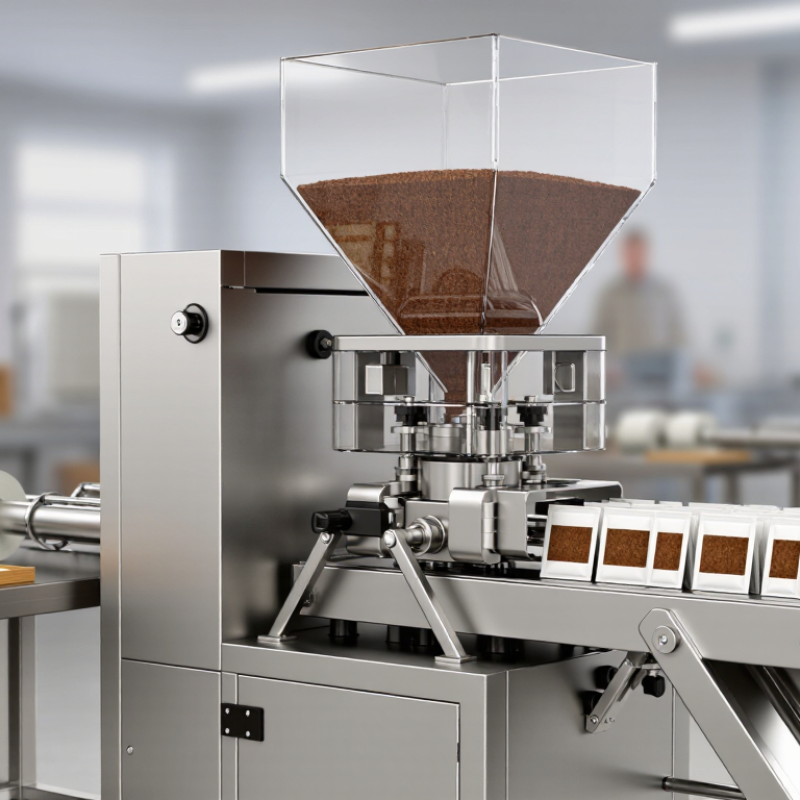
Understanding 3in1 Instant Coffee Packaging Machine Functions
A 3in1 instant coffee packaging machine usually handles coffee, sugar, and creamer in one sachet. Its dosing system controls each ingredient separately. Auger fillers suit coffee powder, while volumetric cups may handle sugar or creamer. Accuracy matters because small errors change taste and cost. During machine trials, operators should check ten or more sachets from each filling head. Watch the weight variation closely.
The mixing function must distribute ingredients evenly before filling. Some machines mix inside a hopper, while others use separate dosing channels. Separate channels can reduce powder separation during operation. The forming unit shapes the packaging film around the product. Heat-sealing jaws then close the sachet edges. Temperature, pressure, and sealing time need careful adjustment. Too much heat can wrinkle the film or damage the seal.
A reliable machine also includes photoelectric tracking, date coding, and automatic fault alarms. These functions help operators detect empty film, blocked dosing tubes, or poor sealing. A touch-screen controller can store settings for different sachet sizes. Cleaning access is equally important, especially around powder contact areas. In one practical review, quick cleaning looked useful, but narrow corners still caused delays. That detail deserves attention before purchase. Ask for test results, maintenance records, and a live production trial.
Choosing a 3in1 instant coffee packaging machine starts with production capacity, not advertised speed. Estimate your real demand by reviewing daily orders, operating shifts, and seasonal peaks. A machine rated at 60 sachets per minute may produce less after film changes, cleaning, and minor stoppages. Plan around stable output, not the best test result.
Define the packaging format carefully. Three-in-one coffee usually contains coffee, sugar, and creamer, so powder flow can vary with humidity and particle size. Confirm the required sachet weight, filling tolerance, seal width, film type, and sachet dimensions. Ask for filling trials using your actual blend. Small differences matter. A poorly matched auger can cause weight variation, dust, or frequent adjustments. Those problems become expensive at higher speeds.
Capacity should also include staffing and maintenance needs. Check how quickly operators can change film rolls, clean product-contact parts, and adjust the dosing system. A machine with a lower nominal speed may deliver more usable packs each day. That point is easy to miss. Request records for weight accuracy, sealing performance, and downtime during a continuous trial. Consider spare parts, training, and technical response time before approval. My own evaluations have shown that initial calculations are often too optimistic, especially when products absorb moisture. Leave practical room for learning, inspection, and occasional mistakes.
How to Choose a 3in1 Instant Coffee Packaging Machine?
Choosing a 3in1 instant coffee packaging machine starts with the dosing system. Powder behavior changes everything. A screw auger suits fine coffee, sugar, and creamer blends with fairly stable flow. Volumetric cups work faster, but density changes can disturb sachet weight. For tighter control, load cells can verify each dose during production. That extra accuracy may reduce speed and increase maintenance. In plant trials, I check dose variation after hopper refilling, not only at startup. Small details matter.
The filling design must prevent powder from settling on the seal area. Vertical tubes, dust extraction, and timed product release help keep edges clean. A narrow film path saves material, yet it can restrict larger granules. Confirm the forming collar with actual coffee particles, not only sample drawings. The sealing system needs stable temperature, pressure, and dwell time. Continuous band sealing is simple, while heat-jaw sealing often gives stronger control on small sachets. However, excessive heat can darken film or damage the laminate. I have seen attractive seals fail after cooling. That mistake is expensive.
A suitable machine balances all three designs, rather than maximizing one feature. Match auger speed, filling cycles, and seal timing to the target sachet weight. Ask for trials using your real blend, film, and room humidity. Review reject rates, cleaning time, changeover steps, and operator access. A machine can look precise yet feel difficult during a twelve-hour shift. Require calibration records and seal-strength tests before acceptance. I would also question advertised output figures. They may exclude stoppages. Leave room for adjustment, because powder flow can change across seasons.
| System Area | Design Option | Typical Operating Range | Main Advantages | Main Limitations | Best Fit for 3-in-1 Coffee |
|---|---|---|---|---|---|
| Filling System | Vertical Form-Fill-Seal (VFFS) | Approximately 30–80 sachets/min, depending on lanes and pack size | Compact layout, continuous operation, and suitable for pillow, stick, and three-side-seal sachets. | Requires careful control of dust, film tracking, and product flow to maintain seal quality. | Most common choice for premixed 3-in-1 coffee sachets and medium-to-high production volumes. |
| Premade-Pouch Filling | Approximately 15–45 pouches/min, depending on pouch format | Handles various pouch shapes and may support easier changeover between package formats. | Higher packaging-material cost and generally lower throughput than an integrated VFFS machine. | Useful for larger sachets, stand-up pouches, premium formats, or operations using preprinted bags. | |
| Multi-Lane Stick-Pack Filling | Approximately 100–400 sticks/min, depending on lane count | High output per machine footprint and convenient single-serving format. | More complex film alignment, dosing synchronization, and cleaning across multiple lanes. | Best for high-volume single-serve products where stick packs are preferred. | |
| Dosing System | Auger Doser | Commonly used for fine powders and target fills of about 5–100 g | Good control for powdered coffee, creamer, and sugar blends; adjustable through screw rotation and filling cycles. | Can generate dust and may require agitation or anti-bridging features for cohesive powders. | A strong general-purpose option for homogeneous 3-in-1 instant coffee powder. |
| Volumetric Cup Doser | Typically suited to free-flowing granules or powders with stable bulk density | Simple construction, fast operation, and relatively easy adjustment for consistent materials. | Volumetric accuracy changes when bulk density, particle size, or product aeration changes. | Suitable when the 3-in-1 blend has consistent flow properties and the target weight tolerance is moderate. | |
| Load-Cell Weighing Doser | Commonly selected when tighter weight control is required | Measures product mass directly and compensates better for bulk-density variation. | Usually more expensive and may operate more slowly than a simple volumetric system. | Recommended for higher-value products, strict giveaway control, or blends with variable density. | |
| Sealing System | Constant-Heat Sealing | Suitable for many heat-sealable laminated films | Stable sealing temperature and straightforward operation for continuous packaging lines. | Requires correct temperature, pressure, and dwell-time settings for the selected film structure. | A practical choice for standard 3-in-1 coffee sachet laminates. |
| Impulse Sealing | Intermittent heating with adjustable pulse duration | Can reduce heat exposure to the product and is suitable for selected thermoplastic films. | May limit speed in continuous high-output applications and needs consistent film contact. | Useful for heat-sensitive packaging materials or lower-volume applications. | |
| Ultrasonic Sealing | Film-dependent; often used where contamination resistance is important | Can seal through small amounts of powder contamination and may reduce dependence on heated sealing jaws. | Higher equipment cost, more complex setup, and compatibility must be confirmed with the film supplier. | Consider for dusty coffee powders, demanding seal integrity, or specialized laminate structures. | |
| Recommended Starting Configuration | For a conventional premixed 3-in-1 instant coffee sachet, begin with a VFFS machine, an auger dosing system, and constant-heat sealing. Consider load-cell weighing when density variation or product giveaway is a major concern, and validate the selected sealing method with the actual laminated film before purchase. | ||||
Note: Output ranges are general engineering references. Actual performance depends on sachet dimensions, powder characteristics, film structure, filling weight, machine configuration, and operator settings.
Choosing a 3-in-1 instant coffee packaging machine requires more than checking speed and price. Materials directly affect hygiene, durability, and maintenance. In practical factory inspections, stainless steel contact surfaces are easier to clean than painted metal. They also resist moisture, coffee oils, and frequent washing. Check the steel grade and weld quality carefully. Rough seams can trap powder.
The control system deserves equal attention. A clear touchscreen should display filling weight, sealing temperature, production counts, and alarms. Operators need to adjust recipes without complicated menus. A stable weighing sensor helps control product consistency, especially when coffee powder density changes. Test the machine with your actual powder. Laboratory specifications may not match production conditions. Remote access can help, but weak network security creates another concern.
Safety features should be visible and testable. Look for guarded moving parts, emergency-stop buttons, door interlocks, overload protection, and automatic temperature limits. Electrical components should suit the installation environment and meet applicable regional requirements. Ask for risk assessments, wiring diagrams, and maintenance instructions, not only a sales quotation. During commissioning, observe whether the machine stops immediately when a guard opens. Small delays matter. I have seen teams focus on output figures and overlook cleaning access. That decision often increases downtime later. A reliable choice balances material quality, understandable controls, and safety performance under real working conditions.
When choosing a 3in1 instant coffee packaging machine, treat maintenance as production capacity. The 2023 State of Smart Manufacturing Report found that 97% of manufacturers invest in smart technologies. However, connectivity is useless when technicians cannot access reliable fault data. Ask how often dosing screws, sealing jaws, sensors, and coding units need inspection. Request documented MTBF figures for comparable coffee products. McKinsey reports that predictive maintenance can reduce downtime by 30–50% and maintenance costs by 10–40%. Those figures are useful, but they are not guarantees.
Calculate total ownership cost beyond the purchase quotation. Include electricity, compressed air, film waste, lubrication, calibration, software updates, spare parts, and changeover labor. A cheap quote can age badly. Request a five-year cost model with realistic production hours. Test your own coffee blend during factory acceptance testing. Fine powder may enter seals, clog augers, or distort weight readings. That detail matters.
Supplier support deserves contractual clarity. Confirm response times, remote diagnosis procedures, technician coverage, spare-parts availability, and operator training. Ask whether critical parts remain available for at least seven years. The Packaging Machinery Manufacturers Institute repeatedly identifies labor and service access as major automation concerns in industry research. Yet suppliers sometimes promise rapid support without defining “rapid.” Put service levels in writing. One uncomfortable question remains: who pays when a recurring fault appears after installation? A supplier may provide excellent equipment, but weak follow-up can quietly erase its value.
It doses coffee, sugar, and creamer into one sachet. Each ingredient needs separate control. Small errors change taste and cost.
Screw augers suit powders with stable flow. Volumetric cups work faster, but density changes can affect weight. Load cells offer tighter verification, though they may reduce speed.
Test at least ten sachets from each filling head. Check weights after hopper refilling, not only during startup. Watch variation closely.
Even mixing keeps coffee, sugar, and creamer distributed consistently. Separate dosing channels may reduce powder separation. The result can still change with humidity.
Vertical filling tubes, dust extraction, and timed product release help keep edges clean. Test the forming collar with real particles. Drawings are not enough.
Adjust temperature, pressure, and sealing time together. Excessive heat can wrinkle film or damage laminate. Check seals after cooling, not immediately.
A touchscreen should show weight, temperature, counts, and alarms. Fault alerts can identify empty film or blocked dosing tubes. Menus should remain simple.
Stainless steel contact surfaces resist moisture and coffee oils. Inspect welds for rough powder-trapping seams. Check guards, emergency stops, interlocks, overload protection, and temperature limits.
Request live trials using the actual blend, film, and room humidity. Review reject rates, cleaning time, changeovers, and calibration records. Advertised output may exclude stoppages. Examine narrow corners carefully.
Choosing the right 3in1 Instant Coffee Packaging Machine requires a clear understanding of your product, packaging format, and production goals. Start by reviewing how the machine handles coffee, creamer, and sugar, including its mixing, filling, sealing, and sachet-forming functions. Consider the required output, sachet size, powder characteristics, accuracy, and compatibility with your packaging materials. A suitable dosing system should deliver consistent portions, while reliable sealing performance helps protect freshness and prevent leakage.
It is also important to evaluate the machine’s construction, control interface, automation level, and built-in safety features. Stainless steel contact parts, easy cleaning, and accessible components can support hygienic operation and reduce downtime. Before making a decision, compare energy use, installation requirements, maintenance needs, spare-part availability, and total ownership costs. Responsive technical support, clear operating instructions, and dependable after-sales service can further improve long-term efficiency and provide confidence as production demands change.