Latest Technical Guides & Industry Trends
Choosing the right Olive Oil Sachet Filling Machine supplier requires more than comparing prices or browsing attractive product photos. This equipment must handle oil viscosity, sachet dimensions, sealing temperature, filling accuracy, and production speed with consistent control. China has developed a broad manufacturing base for flexible packaging machinery, including compact systems for small workshops and automated lines for high-volume producers. This guide introduces ten notable Chinese suppliers and examines their practical strengths, technical focus, customization options, and service capabilities. Real factory experience matters.
A reliable evaluation should include machine materials, pump design, filling tolerance, sealing performance, cleaning access, and compatibility with food-contact packaging. Buyers should also request sample tests using their own olive oil and film. Small details matter. A weak seal can waste an entire batch. Supplier communication, spare-part availability, installation support, and operator training deserve equal attention. Certifications may support confidence, but they should be verified against the actual model and destination-market requirements. No supplier is perfect. Some companies may offer impressive automation but limited after-sales support, while others may provide responsive service with fewer customization options. The following selection aims to create a practical starting point, not a final purchasing decision. Careful comparison, technical documentation, and direct testing remain essential before signing a contract.
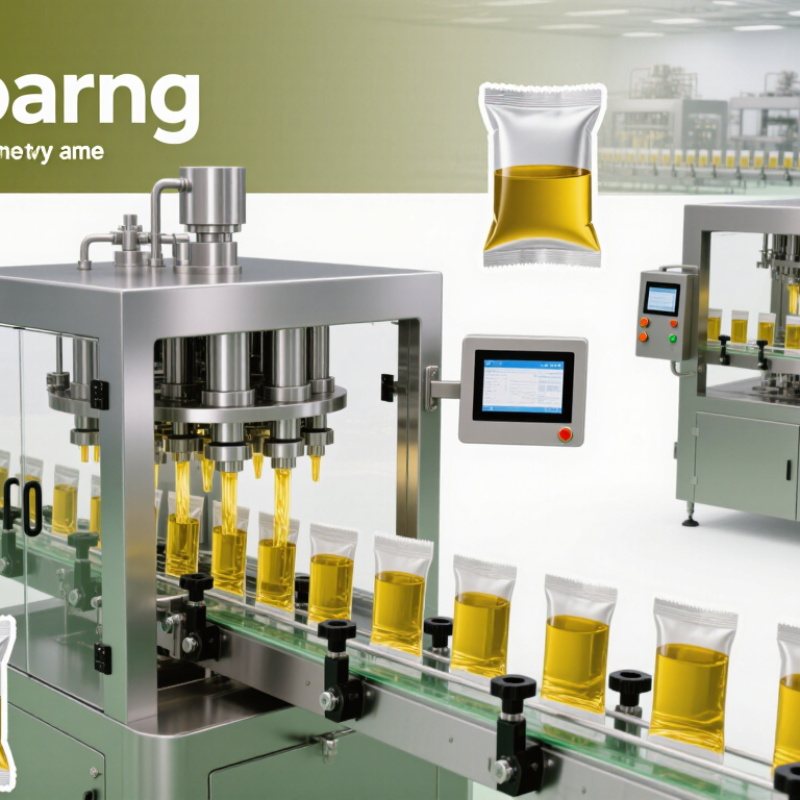
China’s olive oil sachet filling machine market is expanding with single-serve packaging demand. Restaurants, hotels, travel retailers, and meal producers increasingly prefer compact sachets. These packs reduce spills and support controlled portions.
Local suppliers commonly offer servo-driven filling systems, heat-sealing units, date coding, and automatic film tracking. Typical machines handle laminated food-grade films and adjustable sachet volumes. Production speed varies widely, often from 30 to 120 sachets per minute. Accuracy depends on pump design, oil viscosity, temperature, and maintenance quality. In practice, advertised speed may not match stable factory output. This deserves careful checking.
Buyers should request sample trials using their actual olive oil and packaging film. Ask for sealing strength tests, filling tolerance records, electrical standards, and cleaning procedures. Reliable suppliers can explain spare-part availability and operator training clearly. The market is competitive, but technical documentation is sometimes incomplete. That is a weakness worth discussing before payment.
Tips: Compare finished sachet quality, not only machine speed. Check oil leakage after 24 hours. Confirm food-contact materials and verify the supplier’s factory through live video or an on-site audit. Also, calculate film waste, energy use, and changeover time. These details can affect operating costs more than the initial quotation.
China Top 10 Olive Oil Sachet Filling Machine Suppliers
When evaluating Chinese suppliers, inspect the machine, not only the catalogue. Olive oil sachets demand stable dosing, clean sealing, and resistance to oil migration. Ask for filling accuracy records under your actual oil viscosity and sachet film. A factory test using water is not enough.
The International Olive Council reported global olive oil production at roughly 2.5 million tonnes in 2023/24. This scale increases pressure on reliable, flexible packaging equipment. Request hourly output, acceptable weight variation, sealing temperature ranges, and changeover time in writing. ISO’s 2023 Survey recorded more than 1.26 million ISO 9001 certificates worldwide, but certification alone cannot prove manufacturing competence. Audit production records, calibration logs, welding quality, and spare-parts control.
See the machine running.
A credible supplier should provide a traceable factory acceptance test, video evidence, and samples from multiple production runs. Check whether stainless-steel contact parts meet applicable food-contact requirements. Confirm electrical standards, software backups, remote-support limits, and technician response times before signing. Ask for a complete spare-parts list, including heaters, sensors, pumps, and sealing jaws. A low quotation can hide costly downtime. I would also compare total cost over five years, not only purchase price. Some evaluations still overvalue speed; that is a weakness worth challenging when seal integrity and accurate dosing matter more.
China’s top 10 olive oil sachet filling machine suppliers reflect a practical shift toward compact, hygienic packaging systems. The International Olive Council reported global olive oil production near 2.5 million tonnes in the 2023/24 season. That volume supports demand for reliable single-serve packaging equipment.
These supplier profiles examine filling accuracy, sealing stability, material compatibility, and after-sales support. Most leading systems use servo-driven dosing, stainless-steel contact parts, and programmable temperature controls. These details matter when filling 5–20 milliliter sachets. Small errors become expensive at high production speeds.
PMMI’s 2024 packaging trends research highlights automation, flexible formats, and improved line monitoring as major investment priorities. The strongest Chinese suppliers respond with multi-lane machines, touchscreen controls, and batch tracking functions. Some systems can reach 30–60 sachets per minute, depending on oil viscosity, film structure, and filling volume.
Not every specification tells the full story. A machine may run quickly during testing but struggle with real olive oil temperatures. This is where factory trials become essential. Buyers should request sample testing, seal-strength records, cleaning procedures, and documented service response times. Energy use also deserves attention, although supplier disclosures remain inconsistent. A careful profile should therefore assess verified performance, not impressive brochures alone.
Comparison of anonymized supplier profiles based on commonly published machine specifications for olive oil sachet packaging equipment.
The chart compares nominal filling speed and stated filling accuracy. Actual output may vary according to sachet size, oil viscosity, film material, sealing configuration, and production conditions.
China’s top olive oil sachet filling machine suppliers increasingly focus on dosing accuracy, hygienic construction, and flexible packaging formats.
The International Olive Council estimated global olive oil production at about 2.56 million tonnes in 2023/24, showing why stable filling performance matters during supply fluctuations. A reliable machine should handle small volumes, usually 3–20 milliliters, with servo-controlled pumps and automatic correction.
Look for stainless-steel contact parts, cleanable filling paths, and sealed vertical packaging systems. Multi-lane designs can fill several sachets simultaneously, while photoelectric sensors detect film marks and reduce cutting errors. Some machines support aluminum laminate, polyethylene, and recyclable mono-material films. That choice affects oxygen protection, sealing strength, and shelf-life performance.
PMMI’s 2024 packaging industry outlook identifies labor shortages and automation as key investment drivers. Therefore, touchscreen controls, recipe storage, and remote diagnostics are practical features, not decorative extras. Suppliers should provide test filling with the buyer’s actual oil, film, and sachet size. Viscosity changes can still create minor weight variation. This is often underestimated. In factory trials, operators should check seal temperature, leakage rates, and oil residue around the cutting area. Reported speed may exceed 100 sachets per minute, but real output depends on film alignment, cleaning time, and inspection standards. A slower machine with consistent seals may be the better purchase.
When comparing China’s top 10 olive oil sachet filling machine suppliers, purchasing decisions should begin with the product, not the catalog price. Confirm sachet volume, oil viscosity, filling speed, sealing method, and packaging film compatibility. Ask for recent test videos using oil similar to yours. Small differences in viscosity can affect accuracy. A machine that runs well with water may perform poorly with olive oil.
Quality standards require careful evidence. Check food-contact materials, electrical safety documents, calibration records, and inspection reports. Request sample sachets from a trial run. Examine seal strength, leakage, oil residue, and print alignment under normal production conditions. Filling accuracy should be measured repeatedly, not demonstrated once. Stainless steel construction helps cleaning, but it does not replace hygienic design. I have seen attractive machines fail because the sealing area was difficult to access.
After-sales service deserves equal attention. Confirm installation support, operator training, warranty terms, spare-parts availability, and remote troubleshooting procedures. Ask how quickly technical staff respond during holidays. A clear parts list is valuable. So is an English manual. Before signing, define acceptance standards and responsibility for failed tests. Do not assume “full support” means on-site service. That assumption can become expensive. A practical supplier should explain limitations honestly, provide maintenance schedules, and help operators prevent repeated faults. Even experienced buyers can overlook consumable costs, noise levels, or the time needed for daily cleaning.
Inspect the running machine, not only its catalogue. Test real olive oil with the intended film. Not just water. Check dosing accuracy, sealing quality, oil residue, and leakage during repeated trials.
Olive oil viscosity can differ greatly from water. This difference may affect filling accuracy and sealing performance. Request tests at your normal oil temperature. Record results from several production runs.
Request hourly output, filling tolerance, sealing temperature ranges, and changeover time. Confirm performance for 5–20 milliliter sachets. Ask how speed changes with oil viscosity and film structure. Fast output is not always better.
Check whether product-contact parts use suitable stainless steel materials. Examine the sealing area for easy access and cleaning. Smooth surfaces help, but they do not guarantee hygienic design. Ask for cleaning procedures and maintenance schedules.
Request calibration records, inspection reports, and a traceable factory acceptance test. Review weld quality and spare-parts controls. Examine sample sachets for seal strength, leakage, and print alignment. One successful sample proves very little.
Servo-driven dosing, programmable temperature controls, and multi-lane operation can support flexible production. Touchscreen controls may simplify adjustments. Batch tracking can improve traceability. Still, features should be verified during a factory trial.
Confirm installation, operator training, warranty coverage, and remote troubleshooting procedures. Ask about technician response times during holidays. Request an English manual and a complete parts list. “Full support” may have limits.
Compare purchase price, spare parts, energy use, cleaning time, and possible downtime. Include heaters, sensors, pumps, and sealing jaws. Calculate costs across five years. A cheap machine can become expensive quickly.
Define filling accuracy, sealing strength, output speed, and acceptable weight variation. Specify the test oil, film, temperature, and production duration. State responsibility if testing fails. I might still overlook something, so review the conditions twice.
This article provides a practical overview of China’s Olive Oil Sachet Filling Machine market, highlighting the growing demand for compact, hygienic, and efficient packaging solutions. It explains the key criteria for evaluating suppliers, including manufacturing experience, production capacity, equipment reliability, customization options, technical expertise, and compliance with applicable food-packaging standards. The profiles of the top 10 suppliers are presented from a neutral perspective, focusing on their capabilities rather than brand promotion.
The article also examines essential machine features and technologies, such as accurate liquid dosing, multi-lane sachet production, heat sealing, date coding, automatic film tracking, and compatibility with different packaging materials. In addition, it outlines important purchasing considerations, including total cost, installation, operator training, spare-parts availability, warranty coverage, maintenance support, and after-sales service. These insights can help buyers compare suppliers effectively and select an Olive Oil Sachet Filling Machine that meets their production goals, quality requirements, and long-term operational needs.