CALL US
Turpack Knowledge Center

PACKAGING INSIGHTS & NEWS

Latest Technical Guides & Industry Trends

0%

Choosing a Single Sachet Wet Wipes Machine involves more than comparing speed, price, and brochure photographs. Global buyers need stable dosing, clean sealing, accurate folding, and dependable film handling. A machine may advertise 1,200 sachets per minute, yet poor calibration can create leaking packs, uneven lotion distribution, and expensive material waste.

Elena Rossi, a wet-wipes machinery engineer with packaging-line experience, offers a practical warning: “A fast machine matters only when every sachet is sealed, dosed, and traceable.” Her point is easy to test. Watch the sealing jaws during production. Inspect sachets under bright light. Check whether the lotion pump repeats its dose after several hours, not only during a short demonstration.

This guide reviews seven leading Single Sachet Wet Wipes Machine options for international buyers. The comparison considers production capacity, servo control, sachet dimensions, liquid compatibility, changeover time, automation, and after-sales support. It also considers installation requirements, operator training, spare-parts access, and documentation for regulated markets.

Small details matter.

A stainless-steel frame is useful, but it does not guarantee hygienic performance. A touchscreen may look advanced, but unclear alarms can slow operators. Energy consumption, compressed-air demand, and rejected-pack rates can change the real ownership cost. No machine is perfect. Some models sacrifice flexibility for speed, while others need more manual adjustment. Buyers should question impressive claims, request sample testing, and review actual production records before making a final decision.
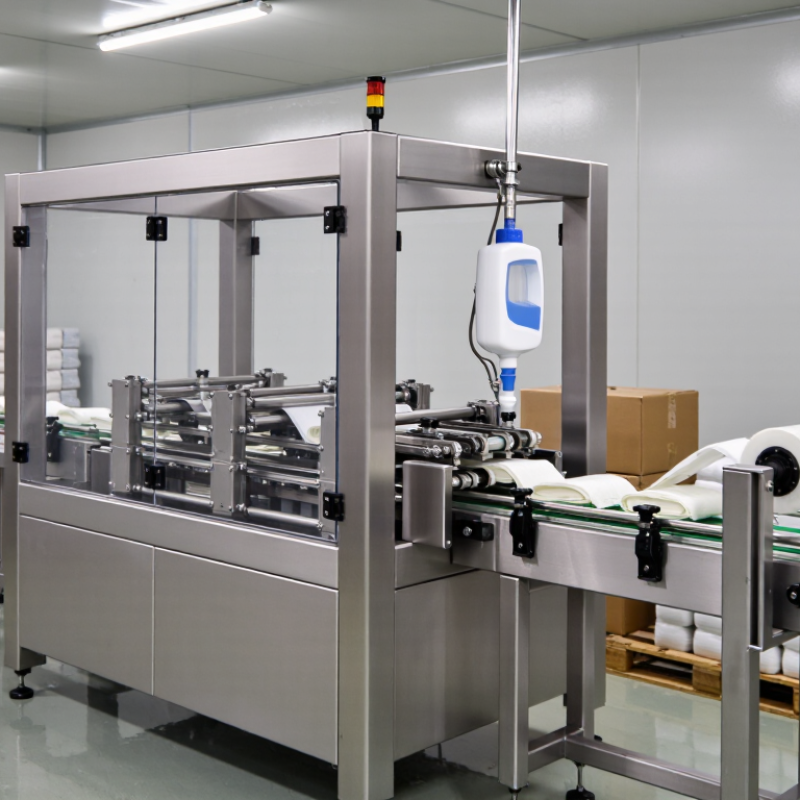
7 Best Single Sachet Wet Wipes Machines for Global Buyers

What Are Single Sachet Wet Wipes Machines?

Single sachet wet wipes machines produce individually sealed wipes for personal care, healthcare, hospitality, and travel use. Each machine unwinds nonwoven material, applies a controlled liquid dose, folds the wipe, and seals it inside a small film pouch. Some models also add batch codes, tear notches, and vision inspection. The process is compact and highly repeatable.

Grand View Research estimated the global wet wipes market at about USD 22.6 billion in 2023. Its report also projects continued growth through 2030, supported by hygiene awareness and convenient packaging. This demand helps explain the interest in single sachets. They offer clean handling, measured moisture, and easy distribution in clinics, hotels, aircraft, and retail kits. Smithers’ nonwovens research also identifies wipes as a significant application area, although market forecasts can differ by product definition.

Machine selection requires more than checking hourly output. Buyers should review sachet dimensions, liquid viscosity, sealing temperature, film compatibility, and changeover time. A machine running 120 sachets per minute may perform poorly with unstable dosing or weak seals. That detail matters. In factory assessments, waste, downtime, and rejected packs often cost more than a slower production speed. Operators should also verify cleaning access, sensor accuracy, documentation, and local electrical requirements. No machine is perfect. A careful trial with the intended wipe material remains necessary before purchase.

How Single Sachet Wet Wipes Machines Work

Single sachet wet wipes machines turn a continuous roll of nonwoven fabric into individually sealed wipes. The process begins with fabric unwinding and controlled lotion dosing. Folding systems then shape each wipe before ultrasonic or heat sealing closes the sachet. A cutting unit separates every packet. Sensors check position, seal quality, and missing liquid. Printing equipment may add batch details and expiry information.

According to Grand View Research, the global wet wipes market was valued at approximately USD 24 billion in 2023. Its report also expects continued growth through 2030. This demand increases pressure on manufacturers to improve speed, hygiene, and dosing accuracy. In practical operation, a stable pump matters greatly. Excess lotion weakens seals. Too little lotion creates a dry, disappointing product. A small alignment error can also produce large packaging waste. Clean output is not proof of a perfect process. Operators should still review moisture variation, seal strength, and rejected packs.

Tips: Check the fabric width before production starts. Calibrate the dosing pump with real lotion, not water alone. Inspect three sealed sachets from each production batch. Record temperature, speed, and rejection rates. These simple records support troubleshooting and more reliable quality decisions. Industry reports use different market definitions, so buyers should compare machine capacity with their actual product format, not headline figures.

Seven Leading Machine Options for Global Buyers

7 Best Single Sachet Wet Wipes Machines for Global Buyers

Seven Leading Machine Options for Global Buyers

Global buyers usually need more than a fast machine. They need stable sealing, clean dosing, and predictable maintenance. Seven leading options cover different production goals. A compact intermittent machine suits small factories and frequent product changes. A servo-controlled model offers accurate film positioning and adjustable sachet lengths. A rotary machine supports higher output when floor space and power capacity are available. A multi-lane machine increases production without greatly expanding the footprint. A machine with automatic liquid dosing helps maintain consistent moisture in every sachet. A model with ultrasonic sealing can reduce heat exposure for selected packaging films. A modular machine allows future upgrades, such as coding, inspection, or remote monitoring.

Details matter. Ask for verified output, not only advertised speed. Request sample sachets made with your actual wipe material and liquid formula. Check seal strength, leak resistance, cutting accuracy, and sachet appearance. Experienced buyers also inspect stainless-steel contact parts, drainage design, and cleaning access. Small gaps can collect residue.

Global installation requires careful planning. Confirm voltage, compressed-air needs, spare-part availability, and operator training. Factory acceptance testing should record measurable results. Site acceptance testing may reveal different problems. That happens. No machine is perfect. A supplier’s response to defects often matters more than a polished brochure. I would also leave room for manual checks, because sensors can misread folded material or cloudy liquid. Reliable documentation, traceable adjustments, and realistic production trials help buyers choose with fewer surprises.

Key Specifications and Features to Compare

For global buyers, the best single sachet wet wipes machine is not always the fastest model. A reliable comparison starts with sachet size, wipe dimensions, and production capacity. Check whether the machine supports common sachet widths, folded wipe formats, and liquid doses from about 1 to 10 milliliters. Servo-driven film feeding can improve registration accuracy. Stable sealing matters even more.

Review the machine’s speed under real operating conditions. A rated output of 80 sachets per minute may fall when operators change film rolls or refill liquid tanks. Ask for tested samples, not only catalog figures. Inspect the sealing temperature range, pressure control, cutting accuracy, and rejection system. Photoelectric sensors should detect film marks and empty sachets. Small errors become expensive during long production runs.

Material compatibility also deserves close attention. The machine should handle suitable laminated films without frequent wrinkles or leaks. Stainless steel contact parts support easier cleaning, especially around the dosing nozzle. A clear touchscreen, recipe storage, and tool-free format adjustment can reduce changeover time. However, highly automated systems may require trained technicians. That cost is easy to overlook. Confirm electrical standards, compressed-air needs, floor space, spare-part access, and operator safety features for the target market. Request documentation for applicable quality and safety requirements. A careful factory trial can reveal weaknesses that specifications hide.

How to Choose a Machine for Your Production Needs

7 Best Single Sachet Wet Wipes Machines for Global Buyers

How to Choose a Machine for Your Production Needs

Choosing a single sachet wet wipes machine starts with your product, not the machine’s advertised speed. Define the wipe size, folded format, sachet dimensions, and liquid volume first. A 150-by-200-millimeter wipe needs different folding control than a compact facial wipe. Check whether the system handles your chosen nonwoven material without tearing or slipping. Test the liquid pump with your actual formula, especially if it contains oil, alcohol, or thicker ingredients. Small differences matter.

Production targets should include realistic downtime, not only peak output. Ask for stable speed during film changes, cleaning, and roll replacement. Confirm the machine’s power supply, compressed-air demand, floor space, and operator requirements. A compact machine may suit a startup, while a multi-lane model may reduce labor for larger orders. Faster is not always better. Poor sealing can create leaking sachets and expensive complaints.

Inspect the sealing temperature range, filling accuracy, sensor response, and date-coding position. Request sample sachets made with your film and wipe material. Examine seal strength after transport simulation, not just fresh samples. Maintenance access should be clear around pumps, cutters, and sealing jaws. Spare parts availability also affects reliability across different regions. Ask how technicians provide remote support and operator training. Documentation can be overlooked.

A careful buyer should compare total operating cost, not only the purchase price. Include waste, electricity, labor, cleaning time, and expected replacement parts. Some specifications look impressive but remain difficult to verify. Require test records, acceptance criteria, and a practical trial before payment. One weakness may remain: no machine fits every formula or market without adjustment.

7 Best Single Sachet Wet Wipes Machines for Global Buyers - How to Choose a Machine for Your Production Needs
Machine Type Typical Output Single Sachet Size Range Suitable Wipe Material Film Structure Filling System Electrical Requirement Compressed Air Approximate Footprint Recommended Production Use Key Selection Advantage
Compact Entry-Level Sachet Machine 30–60 sachets/min 50 × 50 mm to 100 × 150 mm Nonwoven, spunlace, airlaid paper Heat-sealable laminated roll film Gravity or timed liquid dosing Single-phase, 220 V; approximately 2.5–4 kW Approximately 0.4–0.6 MPa About 2.0 × 0.8 × 1.6 m Start-ups, private-label trials, pharmacies and small hospitality orders Lower investment and simpler operation for limited production volumes
Standard Servo-Controlled Sachet Machine 60–100 sachets/min 50 × 70 mm to 120 × 180 mm Spunlace and hydroentangled nonwoven fabrics PE-coated paper, PET/PE or other heat-sealable laminates Servo-driven metering pump Three-phase, 380–415 V; approximately 4–7 kW Approximately 0.5–0.7 MPa About 2.8 × 1.0 × 1.8 m General-purpose production for distributors, hotels and food-service customers Good balance of speed, dosing accuracy and format flexibility
High-Speed Single-Wipe Sachet Machine 100–150 sachets/min 60 × 80 mm to 120 × 200 mm Spunlace, viscose/polyester blends and biodegradable nonwovens High-barrier heat-sealable laminated film Servo pump with automatic liquid-level control Three-phase, 380–415 V; approximately 6–10 kW Approximately 0.6–0.8 MPa About 3.5 × 1.1 × 1.9 m Medium-to-large contract manufacturing and high-volume promotional orders Higher throughput with more consistent sachet length and liquid dosage
Alcohol and Sanitizing Wipe Machine 70–120 sachets/min 50 × 50 mm to 100 × 150 mm Low-lint spunlace and synthetic nonwoven materials Solvent-resistant, heat-sealable barrier film Sealed stainless-steel dosing system Three-phase, 380–415 V; approximately 5–8 kW Approximately 0.5–0.7 MPa About 3.0 × 1.0 × 1.9 m Hand sanitizing wipes, first-aid kits and industrial cleaning applications Designed for volatile or alcohol-containing liquids with controlled evaporation
Cosmetic and Personal-Care Sachet Machine 50–100 sachets/min 60 × 80 mm to 120 × 180 mm Soft spunlace, cotton-feel nonwoven and viscose-rich fabrics Gloss, matte or printed laminated film with heat-seal coating Low-foam precision liquid pump Three-phase, 380–415 V; approximately 4–7 kW Approximately 0.5–0.7 MPa About 2.8 × 1.0 × 1.8 m Facial wipes, makeup-removal wipes, hotel amenities and beauty samples Suitable for gentle lotions and products requiring accurate, low-foam dosing
Biodegradable and Flushable Wipe Machine 40–90 sachets/min 60 × 80 mm to 120 × 180 mm Cellulose, viscose, airlaid and certified biodegradable nonwovens Compatible heat-sealable paper-based or recyclable laminate film Adjustable peristaltic or servo dosing pump Three-phase, 380–415 V; approximately 4–7 kW Approximately 0.5–0.7 MPa About 2.8 × 1.0 × 1.8 m Eco-focused retail products, sustainable hospitality and personal-care markets Allows testing of alternative substrates and lower-plastic packaging formats
Integrated Folding, Wetting and Cartoning Line 100–180 sachets/min 60 × 80 mm to 120 × 200 mm Spunlace, airlaid, cellulose and blended nonwovens Printed high-barrier laminated roll film Servo dosing with automatic carton packing Three-phase, 380–415 V; approximately 10–18 kW Approximately 0.6–0.8 MPa About 6.0 × 1.5 × 2.0 m Large retail programs, export orders and continuous industrial production Reduces manual handling and improves line efficiency for high-volume operations

Note: The figures shown are typical engineering ranges for comparable single-sachet wet wipes equipment. Actual output, power consumption, dimensions and utility requirements depend on wipe size, liquid viscosity, film material, sealing temperature, automation level and local electrical standards.

FAQS

What does a single sachet wet wipes machine produce?

It makes one pre-moistened wipe inside an individually sealed film pouch. Each packet supports clean handling and easy distribution.

How does the production process work?

The machine unwinds nonwoven fabric, adds a measured lotion dose, folds the wipe, and seals the pouch. A cutting unit separates each packet.

Which industries commonly use these individually packed wipes?

Common uses include personal care, healthcare, hospitality, travel kits, clinics, aircraft, and retail packages. Small packets are convenient.

What features should buyers compare before purchasing?

Check sachet size, fabric width, liquid viscosity, sealing temperature, film compatibility, and changeover time. Electrical requirements also matter.

Is the fastest machine always the best choice?

No. High speed can create unstable dosing, weak seals, waste, and frequent downtime. A slower machine may deliver better usable output.

How can operators maintain accurate lotion dosing?

Calibrate the pump with the actual lotion, not water alone. Check moisture variation because excess liquid can weaken seals.

What quality checks should be performed during production?

Inspect at least three sealed sachets from each batch. Record temperature, machine speed, rejection rates, seal strength, and liquid consistency.

What problems can alignment errors cause?

Small alignment errors may produce crooked folds, damaged seals, or large amounts of packaging waste. Clean-looking packets are not always perfect.

Why is a production trial important before purchase?

Materials behave differently in real conditions. Test the intended fabric, lotion, and film together before making a final decision.

What maintenance details deserve attention?

Operators should verify sensor accuracy, cleaning access, documentation, and sealing performance. Some details are easy to overlook.

Conclusion

A Single Sachet Wet Wipes Machine is designed to produce individually packaged wet wipes in a compact, hygienic sachet format. This article explains how the equipment unwinds nonwoven material, applies a controlled amount of liquid, folds and cuts the wipes, forms sachets from packaging film, fills each pack, and completes sealing and cutting. It also introduces seven leading machine options for global buyers, representing different production capacities, automation levels, footprint requirements, and packaging configurations.

To select the right machine, buyers should compare output speed, sachet size range, liquid dosing accuracy, sealing quality, material compatibility, changeover time, control systems, maintenance requirements, energy use, and available technical support. The best Single Sachet Wet Wipes Machine should match current production needs while allowing practical future growth. Careful evaluation of product specifications, operating conditions, installation requirements, operator training, and total ownership cost can help manufacturers make a reliable and efficient investment.

Amara

Amara

Amara is a professional marketing specialist dedicated to helping businesses understand products, markets, and meaningful customer experiences. With a strong knowledge of the company’s solutions, she transforms complex features into clear, practical insights that help readers make confident......