CALL US
Turpack Knowledge Center

PACKAGING INSIGHTS & NEWS

Latest Technical Guides & Industry Trends

0%

Choosing among the 10 Best Shampoo Packaging Machine Manufacturers requires more than comparing machine prices. Speed matters, but so do filling accuracy, bottle handling, sealing quality, cleaning access, and technical support. A reliable Shampoo Packaging Machine should handle viscous formulas without creating foam, leaks, or uneven fills. Picture a production line running 80 bottles per minute, with each cap aligned and every label straight.

Industry reports show why this equipment deserves careful evaluation. Grand View Research estimates that the global hair care market will continue expanding through the decade, increasing pressure on manufacturers to improve output and consistency. PMMI’s packaging machinery research also highlights automation, flexible formats, and labor efficiency as major investment drivers. These reports are useful, but their market boundaries differ. The numbers should not be treated as absolute.

As Jorge Izquierdo, former Vice President of Market Development at PMMI, has noted, “Automation is no longer a luxury; it is a necessity for manufacturers seeking efficiency and competitiveness.” That observation fits shampoo production, where frequent formula changes can expose weak equipment design. Still, no ranking is perfect. A machine that suits a large factory may overwhelm a small private-label producer. The best manufacturer depends on bottle shape, viscosity, line speed, hygiene expectations, and regional service coverage. This guide compares leading suppliers through those practical details, not marketing claims alone. Some specifications require closer verification. That is worth admitting.
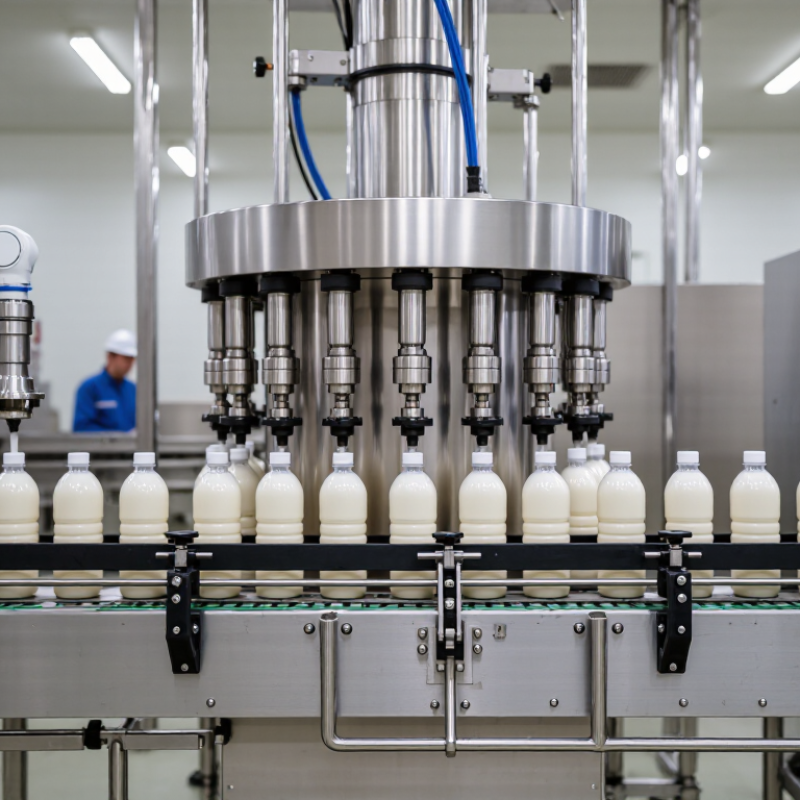
10 Best Shampoo Packaging Machine Manufacturers

What Defines a Leading Shampoo Packaging Machine Manufacturer

A leading shampoo packaging machine manufacturer understands that shampoo is not a simple liquid. Its viscosity, foam level, fragrance, and temperature can change filling performance. Reliable manufacturers test these conditions before recommending a machine. They should explain why a piston, servo, or peristaltic system fits the product. Clear reasoning matters more than impressive specifications.

Practical engineering appears in small details. Stainless steel contact parts should resist corrosion and support hygienic cleaning. Nozzles must reduce dripping, stringing, and trapped air. A useful machine should maintain accurate fills across different bottle sizes. Quick-change guides also reduce downtime during product changes. Operators notice these features immediately.

Documentation is equally important. A dependable manufacturer provides installation guidance, operating procedures, maintenance schedules, and measurable acceptance standards. Factory trials should record fill accuracy, sealing quality, line speed, and cleaning time. Technical support should remain available after delivery, not disappear after payment. That is a serious test.

However, no machine is perfect. A manufacturer that admits limitations often deserves more trust. Some systems need slower speeds for thick formulas. Others require manual checks during unusual batches. This is not failure; it is honest engineering. Buyers should ask for sample testing, spare-parts availability, training details, and realistic production data before making a decision. Fancy screens cannot replace stable performance on a busy filling line.

10 Best Shampoo Packaging Machine Manufacturers — What Defines a Leading Shampoo Packaging Machine Manufacturer?

This brand-neutral evaluation framework highlights the factors commonly considered when selecting a shampoo packaging machine manufacturer. The percentages represent normalized purchasing priorities rather than market share or company-specific performance.

Top 10 Shampoo Packaging Machine Manufacturers by Industry Strength

The top 10 shampoo packaging machine manufacturers should be judged by industry strength, not advertising visibility. Key measures include annual output, filling accuracy, service coverage, validation records, and spare-parts response. MarketsandMarkets valued the global packaging machinery market at about USD 45 billion in 2023. It projects continued growth through 2028. That expansion reflects stronger demand for automated personal-care production.

A practical ranking should examine machines handling viscous shampoo without foam-heavy spills. Servo-driven pumps, heated hoppers, and automatic cap torque control matter on a real production floor. A reliable system may fill 60 to 120 bottles per minute, depending on bottle size and formula.

PMMI industry research also identifies labor shortages and automation as major packaging investment drivers. Good manufacturers provide format changeovers, remote diagnostics, and documented testing. Small details matter.

However, the strongest supplier is not always the fastest one. A machine achieving high speed can still waste product during nozzle drip or unstable capping. Site trials should test different viscosities, transparent bottles, and recycled plastic containers. This review therefore weighs engineering depth, installed experience, operator training, and lifecycle support across ten leading manufacturers. The method is useful, but imperfect. Local service quality can change the final ranking. Purchase teams should verify production references, actual acceptance-test results, and cleaning performance before signing.

Key Technologies Used in Shampoo Packaging Equipment

Shampoo packaging equipment now depends on controlled dosing, hygienic design, and flexible automation. Grand View Research valued the global cosmetic packaging market at approximately USD 32.74 billion in 2023. This growth increases pressure on manufacturers to reduce waste while handling different bottle shapes, viscosities, and closure types.

Servo-driven piston pumps deliver accurate shampoo volumes, even when formulas contain oils or conditioning agents. Flow meters provide another control layer. However, thick products can still create stringing at the nozzle. Heated filling heads, anti-drip valves, and short product paths help reduce this problem. They do not eliminate it. Operators must still adjust speed and temperature during production.

Modern lines often combine PLC control, touchscreen monitoring, automatic cap placement, and vision inspection. The PMMI Packaging Machinery Economic Report highlights continuing investment in automation, especially where labor availability and production consistency are concerns. In practice, sensors can detect missing caps, tilted bottles, and fill-level differences within milliseconds. Clean-in-place features also reduce manual contact and changeover time. Yet excessive automation can complicate maintenance. A simple fault may stop an entire line if technicians lack proper training. Packaging machinery selection should therefore balance accuracy, sanitation, changeover flexibility, and repair access.

10 Best Shampoo Packaging Machine Manufacturers - Key Technologies Used in Shampoo Packaging Equipment

No. Manufacturer Evaluation Area Key Technology Used Typical Technical Specification Best Application Primary Benefit
1 Liquid Filling Accuracy Servo-driven piston filling with recipe-based volume control Typical filling accuracy of approximately ±0.5% to ±1%, depending on viscosity and container size Low- to high-viscosity shampoos and conditioners Consistent fill volume and reduced product giveaway
2 Viscosity Management Variable-speed pumps, pressure regulation, and adjustable filling profiles Filling parameters can be adjusted for shear-sensitive, foaming, or gel-like products Pearlescent, anti-dandruff, moisturizing, and sulfate-free formulas Stable flow with less foaming and splashing
3 PLC and HMI Automation PLC control, touchscreen HMI, servo synchronization, and digital recipes Stores multiple container, cap, filling, and labeling recipes for rapid changeover Facilities producing several bottle sizes or product variants Simpler operation, repeatable settings, and reduced setup errors
4 Anti-Drip Filling System Diverter nozzles, shut-off valves, suck-back control, and bottom-up filling Designed to minimize stringing, dripping, and residue on container necks Foaming or stringy shampoo formulations Cleaner containers and improved equipment hygiene
5 Capping and Torque Control Servo capping heads or magnetic torque clutches with adjustable settings Torque settings are matched to closure design to support seal integrity without cap damage Flip-top, disc-top, pump, and screw-cap closures Reliable sealing and easier opening for consumers
6 Container and Cap Handling Automatic unscrambling, star wheels, guide rails, and no-container-no-fill logic Supports continuous container transfer with adjustable guides for different formats Round, oval, rectangular, and lightweight plastic bottles Fewer jams, spills, and misaligned closures
7 Induction Sealing Non-contact electromagnetic induction sealing for foil-lined closures Seal performance depends on liner material, cap geometry, conveyor speed, and power settings Products requiring tamper evidence and added leak protection Improved product protection and visible tamper resistance
8 Labeling Precision Servo-controlled wraparound labeling with photoelectric registration sensors Positioning accuracy is commonly within a few millimeters, depending on bottle and label design Pressure-sensitive labels on cylindrical or shaped bottles Consistent branding alignment and reduced label waste
9 Vision Inspection Industrial cameras, LED lighting, and programmable image-recognition software Can check cap presence, label position, print quality, fill level, and visible defects High-volume production requiring automated quality checks Reduces manual inspection and prevents defective units from leaving the line
10 Hygienic and Cleanable Design Stainless-steel product-contact parts, sanitary piping, tool-free access, and CIP-ready layouts Product-contact areas are commonly constructed from corrosion-resistant stainless steel such as 304 or 316L Frequent product changeovers and hygiene-sensitive cosmetic production Shorter cleaning time, lower contamination risk, and easier maintenance

Note: Technical specifications are typical industry ranges and should be verified against the actual shampoo formulation, container format, production speed, and required regulatory standards.

How to Compare Shampoo Packaging Machine Manufacturers

Comparing shampoo packaging machine manufacturers requires more than checking advertised speed. Review their experience with viscous liquids, foaming formulas, pumps, caps, and recyclable bottles. Ask for production records from similar projects, not polished videos. During factory testing, measure fill accuracy, cap torque, label position, changeover time, and rejected bottles. A machine claiming 120 bottles per minute may perform differently with thick conditioner.

Deloitte’s 2024 Smart Manufacturing and Operations Survey found that 92% of manufacturers view smart manufacturing as a major competitiveness driver. Therefore, compare data connectivity, fault tracking, remote diagnostics, and operator training. PMMI industry research also identifies labor availability and automation as important packaging investment factors.

Check whether the supplier provides accessible parts, response-time commitments, electrical documentation, and validated safety controls. Small details matter. Ask about cleaning access around pumps and product-contact surfaces. Request a total-cost estimate covering installation, maintenance, utilities, tooling, and expected downtime. My caution is simple: supplier promises are not performance evidence. Insist on factory acceptance testing using your actual shampoo, bottle, closure, and labeling materials. A missed test can become an expensive production lesson.

Factors to Consider Before Choosing a Manufacturer

Choosing among shampoo packaging machine manufacturers requires more than comparing catalog prices. Start with your product’s viscosity, bottle shapes, cap types, and filling volume. A machine designed for thin liquid may struggle with thick, pearlized shampoo. Ask for a live test using your actual formula and containers. Check filling accuracy over several production hours, not just one impressive sample.

A dependable manufacturer should explain the machine’s contact materials, cleaning method, changeover time, and safety controls. Stainless steel quality matters when operators clean equipment daily. Request installation records, operator training details, spare-parts availability, and service response times. Experience matters here. I have seen attractive quotations hide costly format changes and long shipping delays. That lesson is easy to overlook.

Tips: Compare total ownership cost, not only the purchase price. Ask for references from facilities with similar bottle sizes and output targets. Review documented test results and warranty limits. If possible, inspect a running machine in person. Small details count. A clear control panel, accessible pumps, and tool-free adjustments can save hours each week. Do not accept vague promises about speed or accuracy; request measurable conditions and written commitments. Even experienced buyers can rush this step, then discover that their “flexible” machine needs extra parts for every new bottle.

FAQS

What should a reliable shampoo packaging machine manufacturer understand?

They should understand viscosity, foam, fragrance, temperature, bottle shapes, and closure types. Shampoo is not always predictable. Their recommendation should include clear reasoning, not only impressive specifications.

Which filling system suits thick shampoo?

Piston, servo, and peristaltic systems can suit different formulas. The correct choice depends on viscosity, accuracy, foaming, and production speed. Request a test with your actual shampoo.

Why are factory trials important?

Factory trials reveal real filling accuracy, sealing quality, line speed, and cleaning time. Use your formula, bottles, caps, and labels. A polished demonstration may hide difficult conditions.

What machine details affect daily operation?

Stainless steel contact parts support hygienic cleaning and corrosion resistance. Good nozzles reduce dripping, stringing, and trapped air. Accessible pumps and tool-free adjustments can save hours weekly.

How should manufacturers prove their performance claims?

Ask for measurable production records from similar projects. Check accuracy across several hours, not one sample. A claimed speed may fall with thick conditioner.

What documentation and support should buyers expect?

Expect installation guidance, operating procedures, maintenance schedules, and acceptance standards. Training, spare parts, electrical documents, and service response times also matter. Support should continue after delivery.

How can buyers compare the total cost?

Include installation, maintenance, utilities, tooling, spare parts, and expected downtime. A low purchase price may conceal expensive format changes. I have overlooked this before.

Should manufacturers admit machine limitations?

Yes. Honest manufacturers explain slower speeds, manual checks, or formula-specific restrictions. No machine is perfect. That honesty can prevent painful production surprises.

Conclusion

This guide explores what distinguishes a leading Shampoo Packaging Machine manufacturer, focusing on engineering quality, production consistency, customization, after-sales support, and compliance with modern safety and hygiene expectations. It presents a practical comparison of the top ten manufacturers by industry strength, considering their technical expertise, manufacturing capacity, innovation, service networks, and ability to support different shampoo formats and production scales.

The article also explains key technologies used in shampoo packaging equipment, including accurate filling systems, automated sealing, container handling, coding, inspection, and integrated control systems. To choose the right manufacturer, buyers should compare machine speed, filling accuracy, compatibility with packaging materials, flexibility, maintenance requirements, energy efficiency, delivery capability, and total operating cost. Careful evaluation of product quality, technical support, spare-parts availability, customization options, and long-term reliability can help companies select equipment that improves productivity while maintaining consistent packaging performance.

Rosalie

Rosalie

Rosalie is a dedicated marketing professional who combines strategic insight, industry knowledge, and a strong understanding of customer needs. As a key contributor to the company’s communications team, she regularly updates the corporate website with informative, practical, and engaging blog......